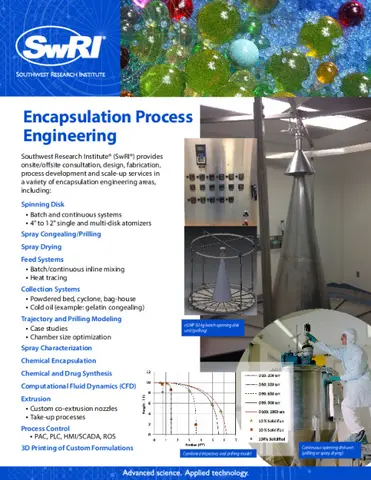
Encapsulation Process Engineering
Micro Nano Encapsulation
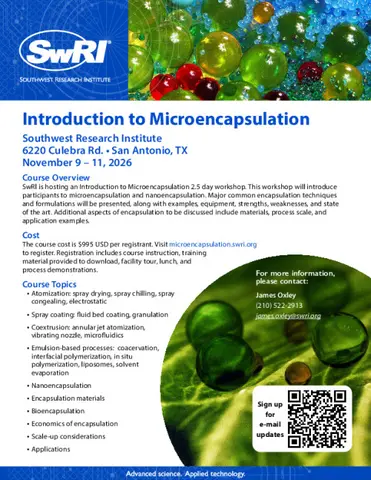
Microencapsulation Workshop
Advanced science. Applied technology.

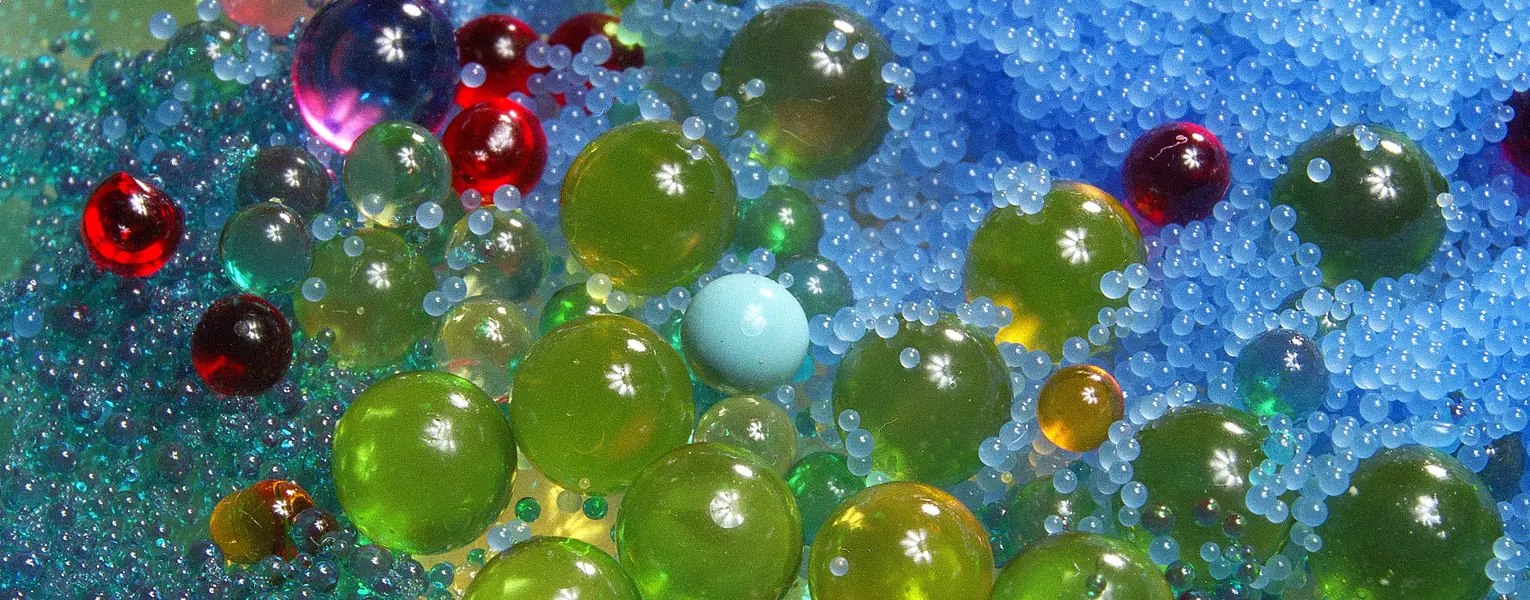
SwRI scientists continue to develop and discover diverse microencapsulation techniques for pharmaceuticals, food and nutrition, polymer and materials science, and process engineering. Our team can help solve product stability such as release and application problems for a wide range of industries. Our diverse, extensive encapsulation methods solve product performance requirements for clients.
With more than 60 years of encapsulation research and development experience, SwRI is a leader in the field. Using extensive expertise in diverse technical fields such as pharmaceuticals, food and nutrition, polymer and materials science, and process engineering, our encapsulation specialists solve product stability, release and application problems in a wide range of industries. We have conducted more than 1,000 encapsulation research programs for commercial and government clients, employing diverse encapsulation methods to solve product performance requirements for our clients. Encapsulation methods are broadly categorized as either physical or chemical.
SwRI’s Chemistry and Chemical Engineering Division, which houses the comprehensive encapsulation program, has achieved certification to ISO 9001:2000, ensuring compliance with stringent quality control procedures in development, production and testing. The encapsulation program maintains numerous facilities, including Current Good Manufacturing Practices (CGMP) suites.
Featured Expert
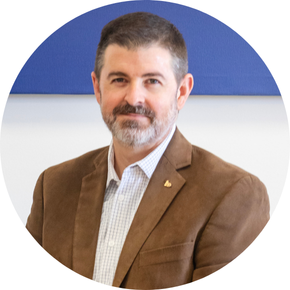
James D. Oxley, Ph.D.
Institute Scientist
Dr. Oxley uses his expertise in micro- and nanoencapsulation to support the development of innovative pharmaceuticals, nutraceuticals, foods, cosmetics, consumer products, paints, coatings, agricultural, energy storage, and numerous industrial applications. Dr. Oxley assists clients with process selection, formulation development, and a variety of analytical methods. He’s also developed novel controlled release formulations and is recognized as a Fellow by the Controlled Release Society. Dr. Oxley hosts microencapsulation workshops at SwRI twice a year. Contact
SwRI staff members direct and participate in workshops and short-courses throughout the year. Join us for our next Introduction to Microencapsulation workshop, a two-day workshop in San Antonio, TX. See the flyer for more information.

Receive special updates about workshops, training and other microencapsulation news.