
Southwest Research Institute (SwRI) develops microcapsules, nanocapsules and controlled-release formulations for a wide variety of products and industries. The breadth of our experience provides opportunities to solve unique challenges, bridging solutions from other applications. Research and development helps modify solutions for compliance with materials, equipment or regulatory constraints, allowing ideas and encapsulation solutions to transcend applications.
The examples below include some of the applications and objectives we have addressed for various industries while overcoming challenges unique to each application.
Pharmaceuticals
Image
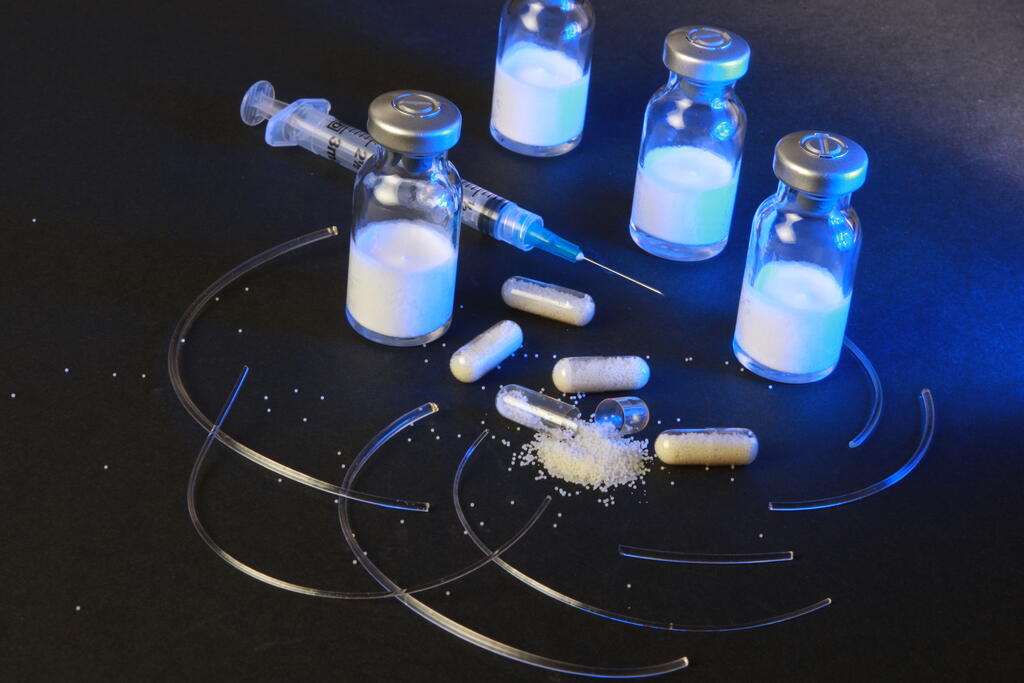
Microencapsulation, nanoencapsulation and controlled release are fundamental to the success of many pharmaceutical products and their delivery. SwRI works with clients to develop and provide clinical supplies for both human and veterinary applications of a wide variety of controlled release products to deliver various active pharmaceutical ingredients (API) and therapeutics including small molecules, large molecules and biologics (nucleic acids, proteins, peptides, etc.). Our solutions support multiple routes of administration, including oral, intravenous (IV) injectables, intramuscular (IM) injectables, subcutaneous injectables, transdermal, nasal, ocular, implants or other novel routes.
Example: https://doi.org/10.1080/09687860600945628
McDonough, J. A. et al. Microcapsule-gel formulation of promethazine HCl for controlled nasal delivery: A motion sickness medication. Journal of Microencapsulation 24, 109–116 (2007).
Applications
- Taste masking
- Controlled release
- Enteric release
- Improved bioavailability
- Size reduction
- Targeting
- Stabilization
- Side effects reduction
- Patient compliance
Overcoming Challenges
- Approved excipients limitations
- Solubility
- API properties
- Stability
- Particle size and distribution
- Payload
- Encapsulation process limitations
Nutraceuticals
Image
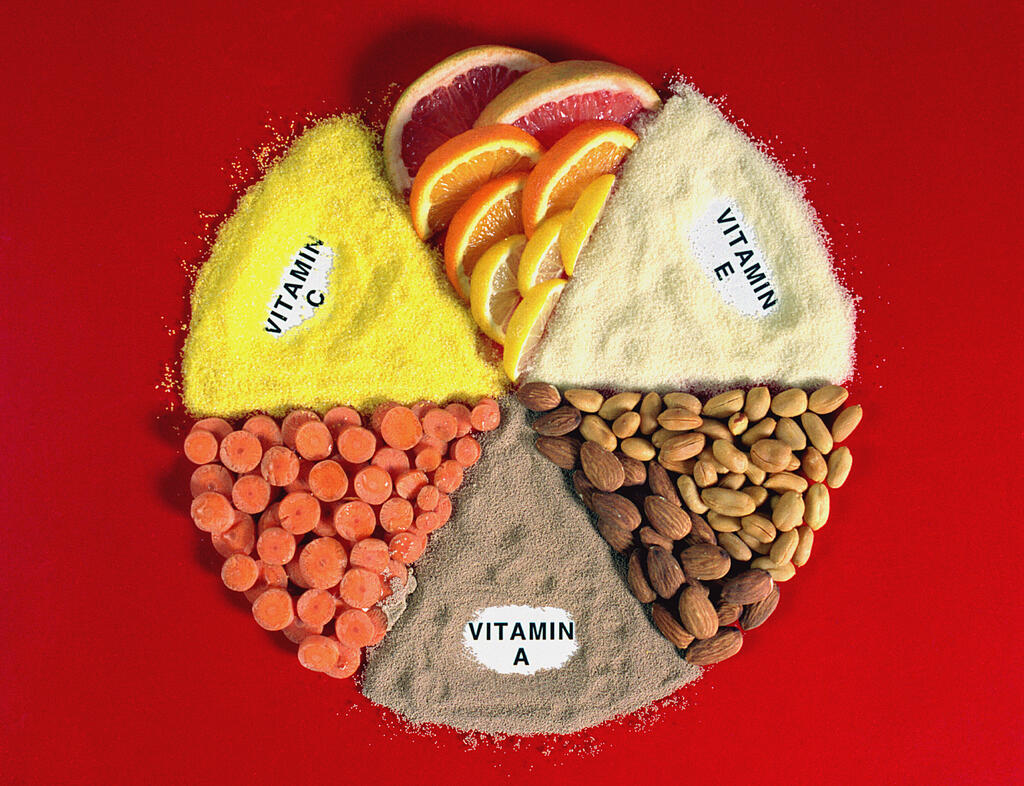
SwRI’s experience with encapsulation for pharmaceutical and food applications provides a strong foundation for our work with nutraceuticals. Examples include vitamins, minerals, herbal extracts, plant extracts, fatty acids, probiotics, prebiotics, amino acids, proteins, phytochemicals and other bio-active ingredients.
Example: https://doi.org/10.1073/pnas.2211534119
Tang, W. et al. Enhanced stability and clinical absorption of a form of encapsulated vitamin A for food fortification. Proceedings of the National Academy of Sciences 119, e2211534119 (2022).
Applications
- Taste masking
- Enhanced bioavailability
- Improved solubility
- Enteric release
- Controlled release
- Stabilization (light, oxygen, pH)
Overcoming Challenges
- Processing cost
- Payload
- Solubility
- Raw material quality
- Product matrix
- Product processing
- Particle size
Food & Beverage
SwRI has decades of experience encapsulating ingredients such as flavors, nutritional oils, vitamins, probiotics, leavening agents, dyes and minerals.
Applications
- Functional foods
- Ingredient stabilization
- Environmental
- Taste masking
- Controlled release
- Processing aids
- Shelf-life
- Liquid to solid
Overcoming Challenges
- Functional foods
- Ingredient stabilization
- Environmental
- Taste masking
- Controlled release
- Processing aids
- Shelf-life
- Liquid to solid
Image

In addition to formulation development support, SwRI also has expertise in the analysis of food products and manufacturing systems.
Flavors & Fragrances
SwRI has decades of experience encapsulating ingredients such as flavors, nutritional oils, vitamins, probiotics, leavening agents, dyes and minerals.
Objectives
- Controlled release
- Burst release
- Triggered release
- Sustained release
- Conversion to solid
- Stabilization (product or process)
- Shelf-life
Overcoming Challenges
- Mixture complexity
- Volatility
- Solubility
- Reactivity
Image

Consumer Products
Encapsulation in consumer products spans a broad range of applications from phase change materials for temperature regulation to the controlled release of fragrances.
Applications
- Controlled release
- New product
- New function
- Ingredient stabilization
- Converting liquids to solids
Overcoming Challenges
- Reduce cost
- Active ingredient concentration
- Ingredient compatibility
- Improve and develop new products
Image
Cosmetics
SwRI’s experiences spans liposomes to larger microcapsules with encapsulation methods and formulations to improve existing products or enable new products.
Applications
- Controlled release
- Bioavailability
- Stabilization
- Improved shelf life
- Marketing
- Appearance
- Odor control
Overcoming Challenges
- Particle size
- Reduce costs
- Improve matrix compatibility
- Active ingredient concentration
Image

Agriculture
Image
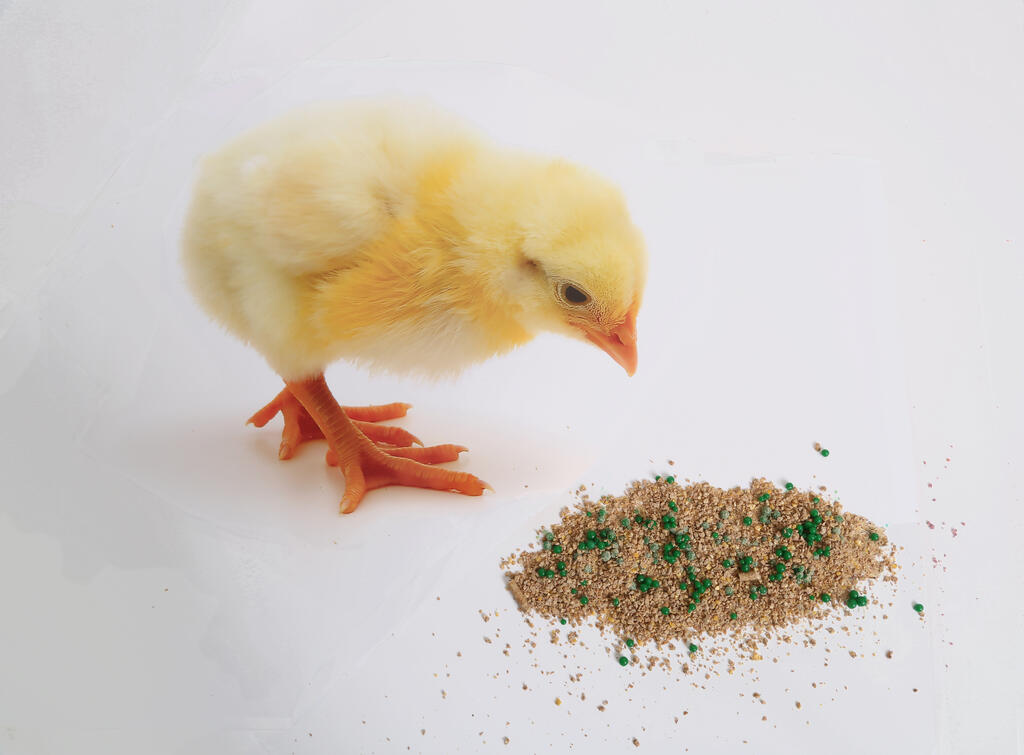
SwRI has a long history of using microencapsulation successfully in agriculture applications, from crop protection to animal feed. SwRI’s unparalleled expertise in the field of encapsulation continues to support developments in microencapsulation and, more recently, nanoencapsulation for a wide variety of agriculture products.
We support the development of newer targeted approaches such as seed treatments and improved controlled release fertilizers. Building on our knowledge of encapsulation from the food and nutraceutical industries, SwRI frequently works with clients to development new animal feed solutions using new combinations of encapsulation processes and formulations.
Crop protection and pest control:
- Insecticides
- Herbicides
- Pesticides
- Rodenticides
- Fungicides
- Larvicides
Example: https://doi.org/10.1038/s41598-024-81800-5
Mysore, K. et al. Development of a controlled-release mosquito RNAi yeast larvicide suitable for the sustained control of large water storage containers. Sci Rep 14, 30186 (2024).
Applications
- Controlled release
- Liquid-to-solid conversion
- Improved bioavailability
- Rumen bypass
Overcoming Challenges
- Cost
- Handling
- Safety
- Stabilization
- Steam pelletization
Paints & Coatings
Encapsulation adds new functionality and extends the life of paints, coatings or the underlying substrates for a variety of applications.
Applications
- Multifunctional coating
- Impact indication
- Self-healing coatings
- Antimicrobial controlled release
- Phase change materials (PCMs)
- Temperature indication
- Liquid crystal containment
Overcoming Challenges
- Manufacturing conditions
- Pressure during printing or use
- Heat exposure
- Shear force for rupture
- Microcapsule size
- Payload optimization
Image

Industrial
Image
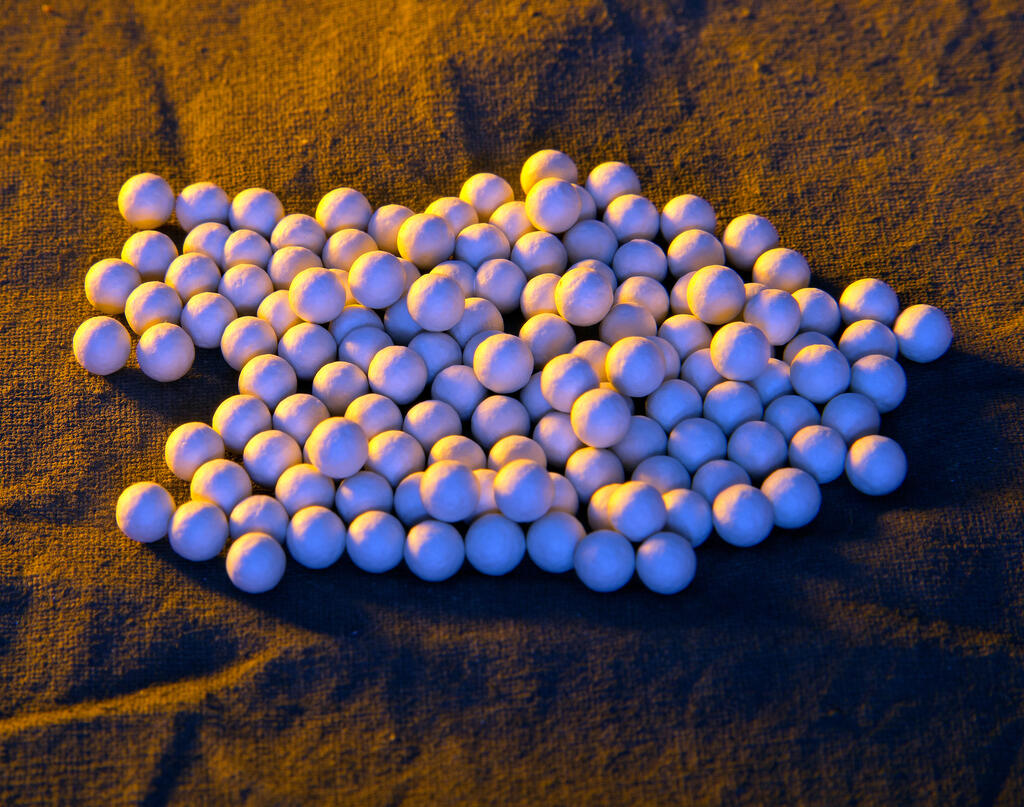
Industrial applications of microencapsulation and nanoencapsulation offer some of the greatest challenges for stabilization and controlled release of active ingredients. SwRI works with a wide range of companies and applications to solve unique encapsulation challenges specific an industry.
Example: https://doi.org/10.1016/j.egypro.2014.03.098
Mathur, A., Kasetty, R., Oxley, J., Mendez, J. & Nithyanandam, K. Using Encapsulated Phase Change Salts for Concentrated Solar Power Plant. Energy Procedia 49, 908–915 (2014).
Applications
- Chemicals/catalysts
- Energy storage
- Batteries
- Environmental remediation
- Petrochemical
- Military
- Construction
- Packaging
Overcoming Challenges
- Stabilization
- Controlled release of active ingredients
- Hazardous ingredients
- Extreme conditions
- Long release times
- High pressures and temperatures
Image

Microencapsulation Webinar
SwRI's Dr. James Oxley discusses morphologies, processes, formulations and release in a one-hour webinar.
For additional information, please contact James Oxley at +1 210 522 2913 and Joseph Persyn at +1 210 522 2691 or visit Microencapsulation.