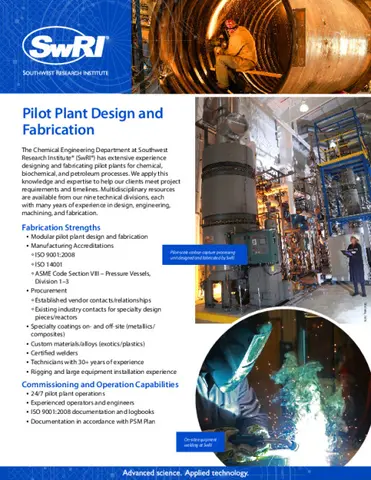
Pilot Plant Design and Fabrication
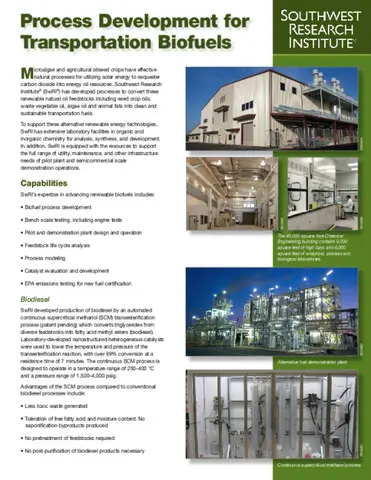
Process Development for Transportation Biofuels

Carbon Capture Technology
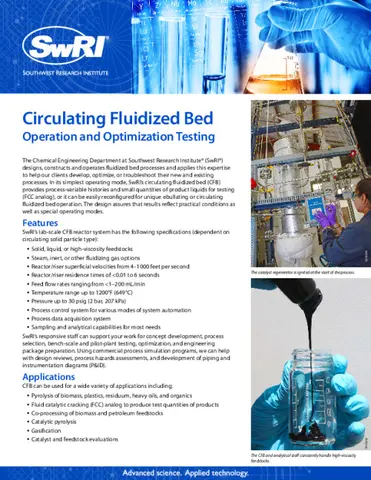
Circulating Fluidized Bed Operation and Optimization Testing
Advanced science. Applied technology.

Carbon capture and utilization (CCU) is the process of capturing carbon dioxide (CO2) emissions from industrial sources and converting them into fuels, chemicals and materials. CCU technology development often begins with pilot-scale systems, which test and validate processes before scaling up to larger integrated systems connected to industrial gas streams at demonstration facilities.
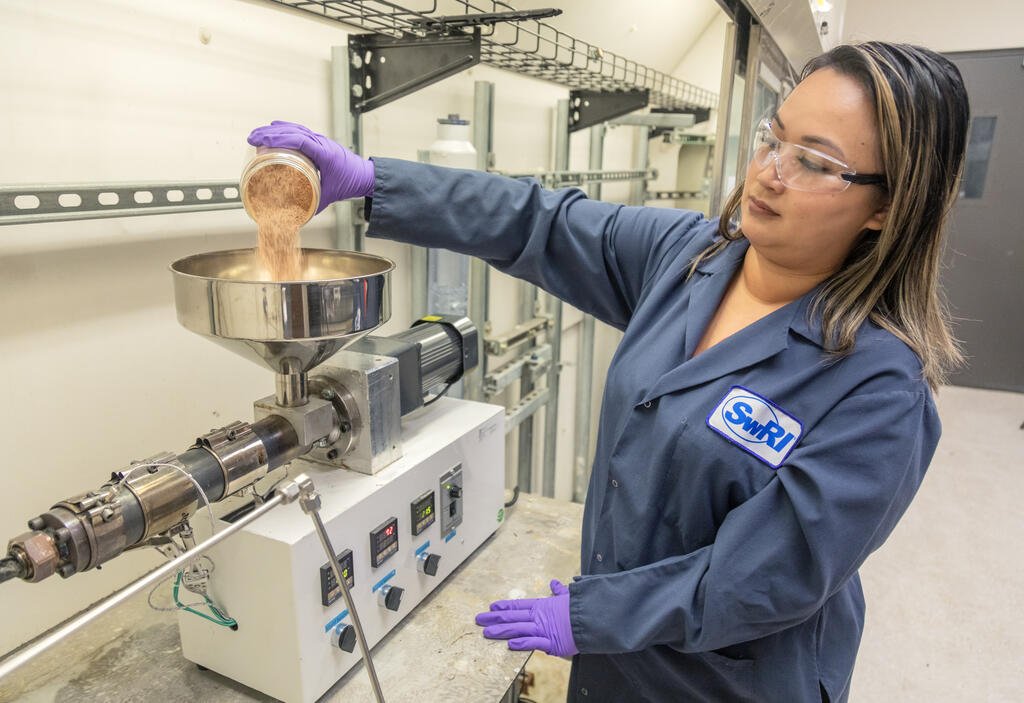
CCU valorization: converting CO2 to construction material.
Southwest Research Institute (SwRI) helps industry develop and optimize CCU technology across the full process lifecycle, spanning laboratory evaluation through pilot-scale deployment.
Our integrated approach combines experimentation, modeling and system-level design to de-risk scale-up, overcome challenging feedstocks (different sources of CO2), and enable commercially viable pathways toward net-zero goals.
SwRI’s carbon capture engineering team integrates modeling, experimentation and system design early and iteratively to accelerate scale-up while reducing technical and commercial risk. This approach enables rapid concept validation, informed engineering decisions and efficient transition toward deployable CCU technologies.
| Carbon Capture Approaches Developing and scaling PSCC, DAC, CDR and other CC processes and technologies |
CO2 Valorization & Conversion Converting captured CO₂ into value added products while reducing lifecycle emissions |
|
|
Our capabilities span early scientific validation through pilot and demonstration-scale systems that bridge the gap between laboratory concepts and commercial deployment.
| Fundamental Development (TRL 1-3) Science-driven validation and feasibility |
Applied Development (TRL 4-7) Execution-driven scale-up and deployment |
|
|
We integrate the following chemical and mechanical engineering expertise into our projects to deliver CCU R&D at various technological readiness levels:
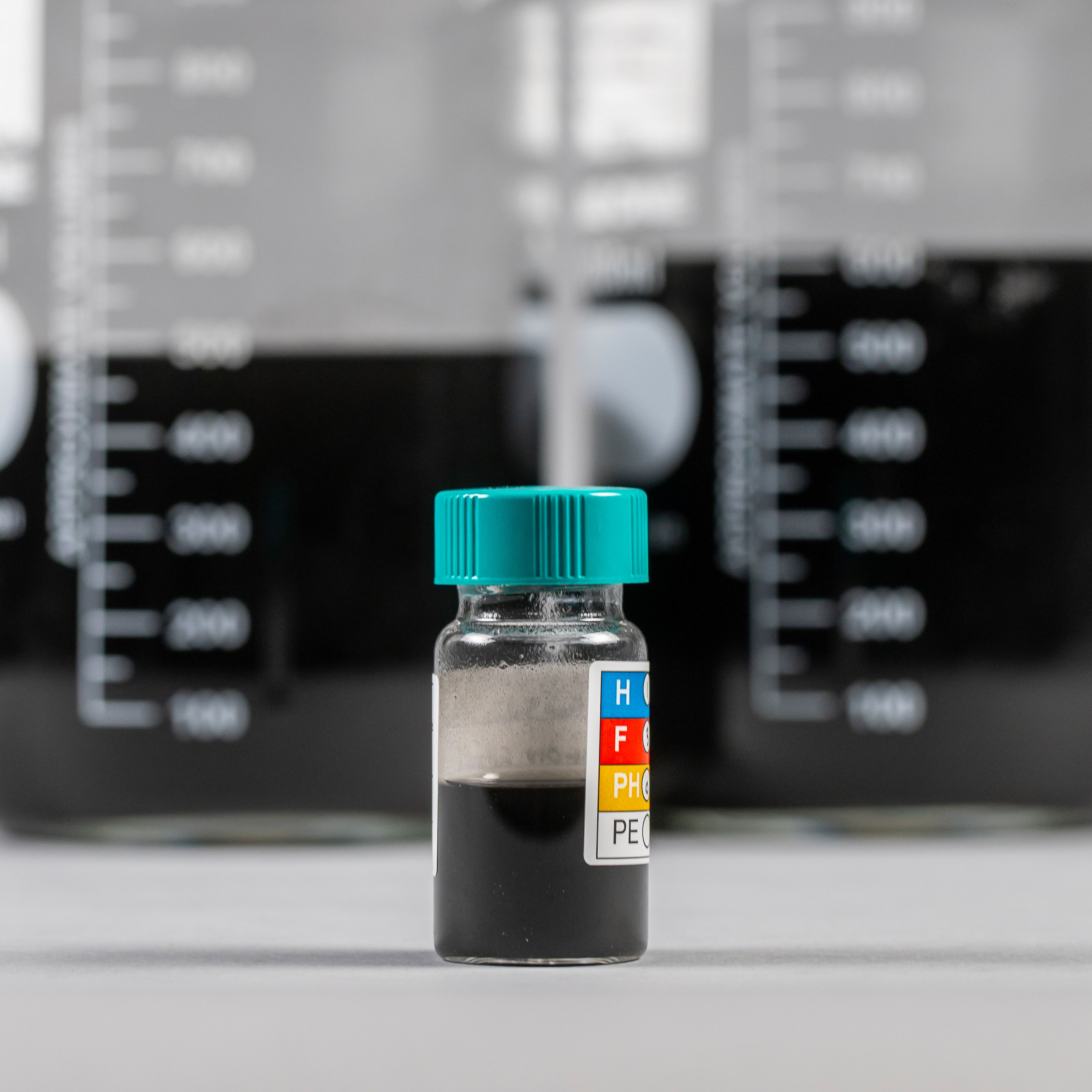
Lab-to-pilot project demonstrates CO2 utilization and commercialization with small-scale pilot plant.
SwRI’s Chemical Engineering Department is uniquely positioned to translate CCU concepts into operating processes through in-house fabrication capabilities, carbon capture pilot plant infrastructure, and integrated engineering support.
Capabilities Include:
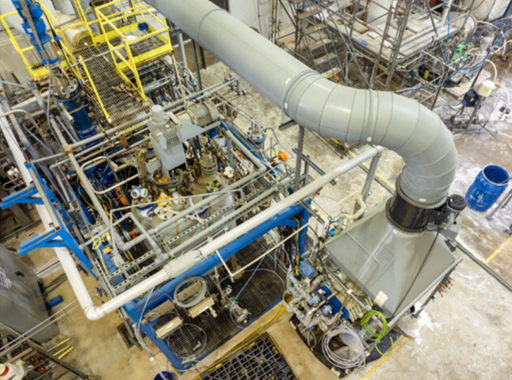
Carbon capture pilot plant at SwRI.
Scales range from laboratory testing through large outdoor pilot systems designed to replicate commercial operating conditions.
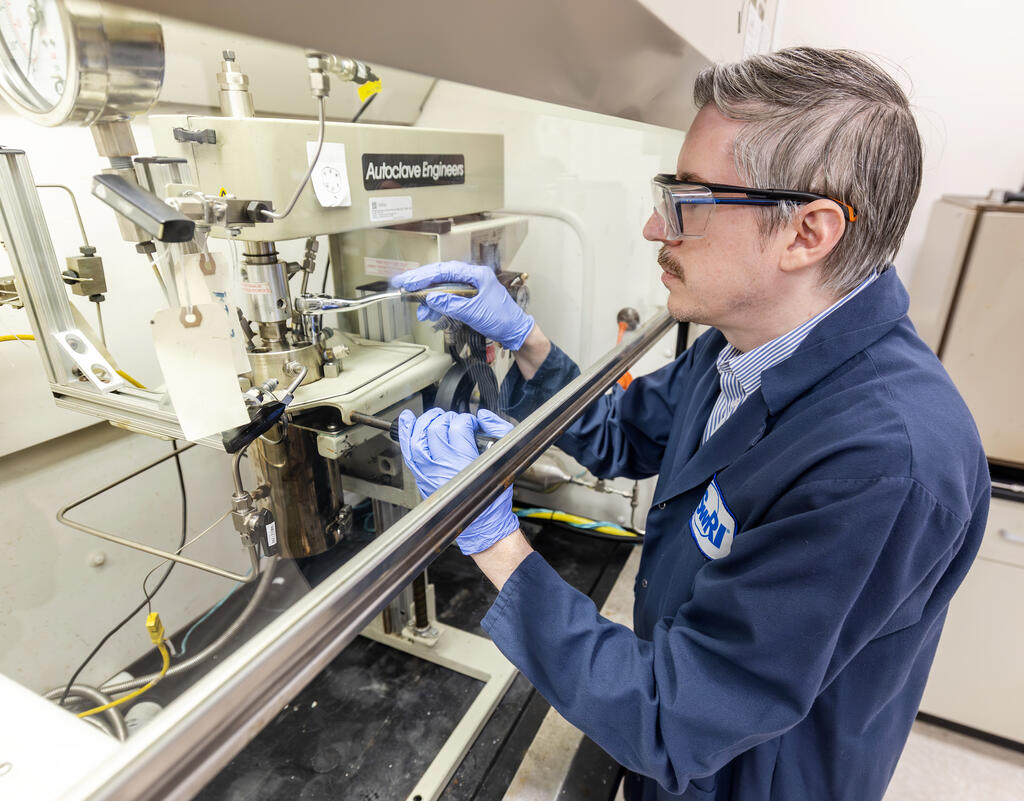
Graphene production by bubbling CO2 through a bed of liquefied alkali Earth metals.
Integrated Testing, Modeling and Scale-Up – Our iterative development workflow unites experimental validation with predictive modeling and progressive scale-up to derisk first-of-a-kind technologies.
Front-End Engineering & Techno-Economics – Techno-economic and lifecycle modeling are embedded throughout development to quantify performance, cost and environmental impact.