

ABOUT THE HEADER
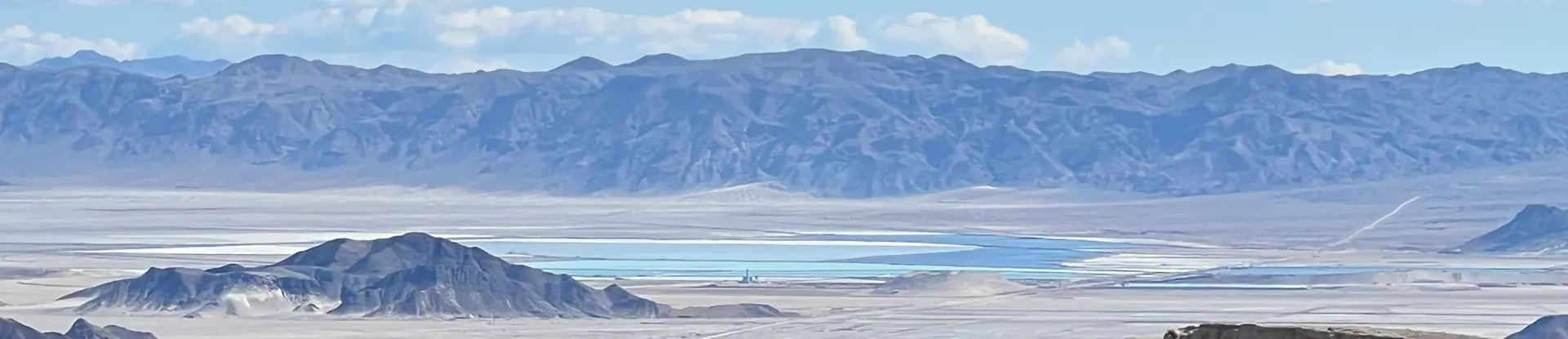
SwRI is collaborating with the University of Texas at Dallas, studying lithium production in Clayton Valley, Nevada. The ponds in the background are used to concentrate lithium from brines.
For most of the 20th century, lithium was not a high-profile resource. Industry used the highly reactive, light metal in relatively small volumes, primarily in glass and ceramics, lubricating greases and medical treatments. Demand was steady but limited, and production reflected that scale. Hard-rock pegmatite, a coarse-crystalline igneous rock often containing high concentrations of lithium minerals, provided initial supplies.
By the late 1930s, industry was recovering lithium from brines at Searles Lake, California, as a minor byproduct of large-scale salt and mineral production. A more significant shift occurred in the 1960s with lithium production from subsurface brines in Clayton Valley, Nevada. That operation remains the only active lithium brine production site in the United States today.
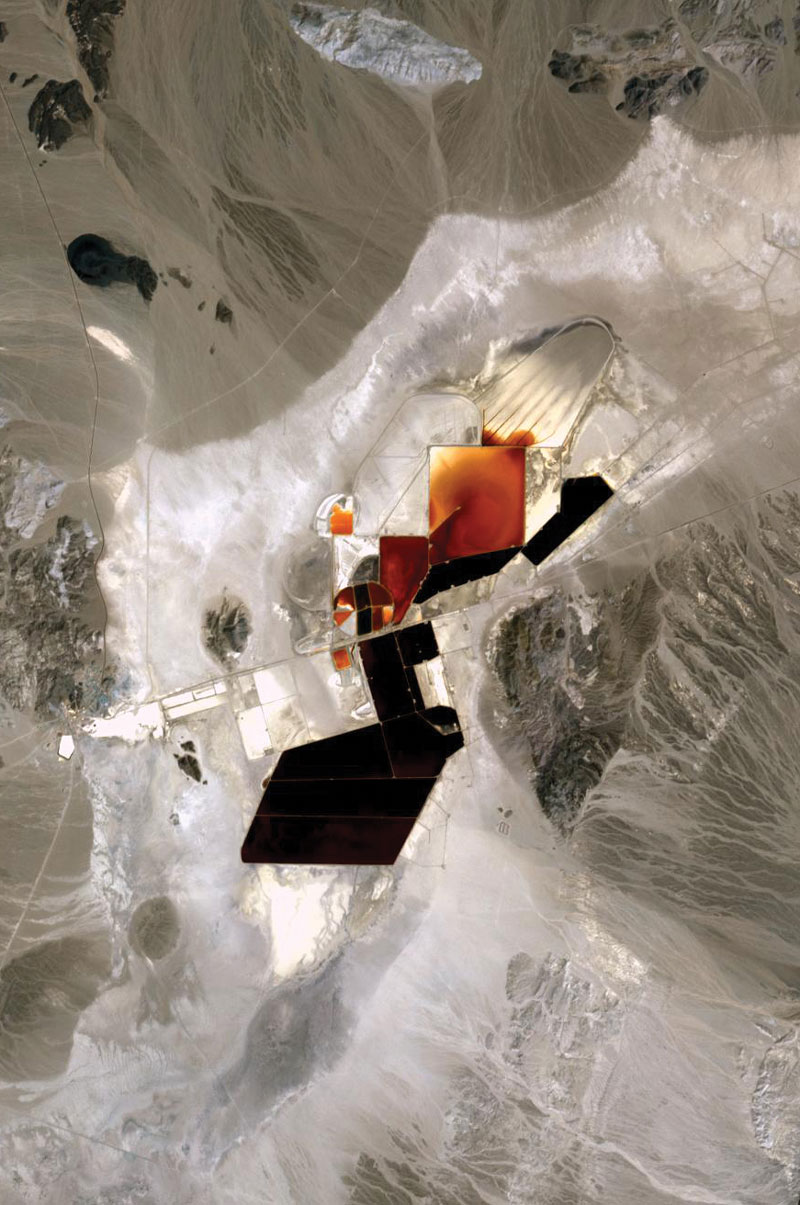
NASA/METI/AIST/Japan Space Systems & U.S./Japan ASTER Science Team
This 2013 satellite image details the only operating source of lithium in the United States in Clayton Valley, Nevada. Operators pump subsurface salty brines into evaporation ponds so vast that they are visible from space. As the water evaporates, it leaves behind a concentrated lithium-rich mixture of materials.
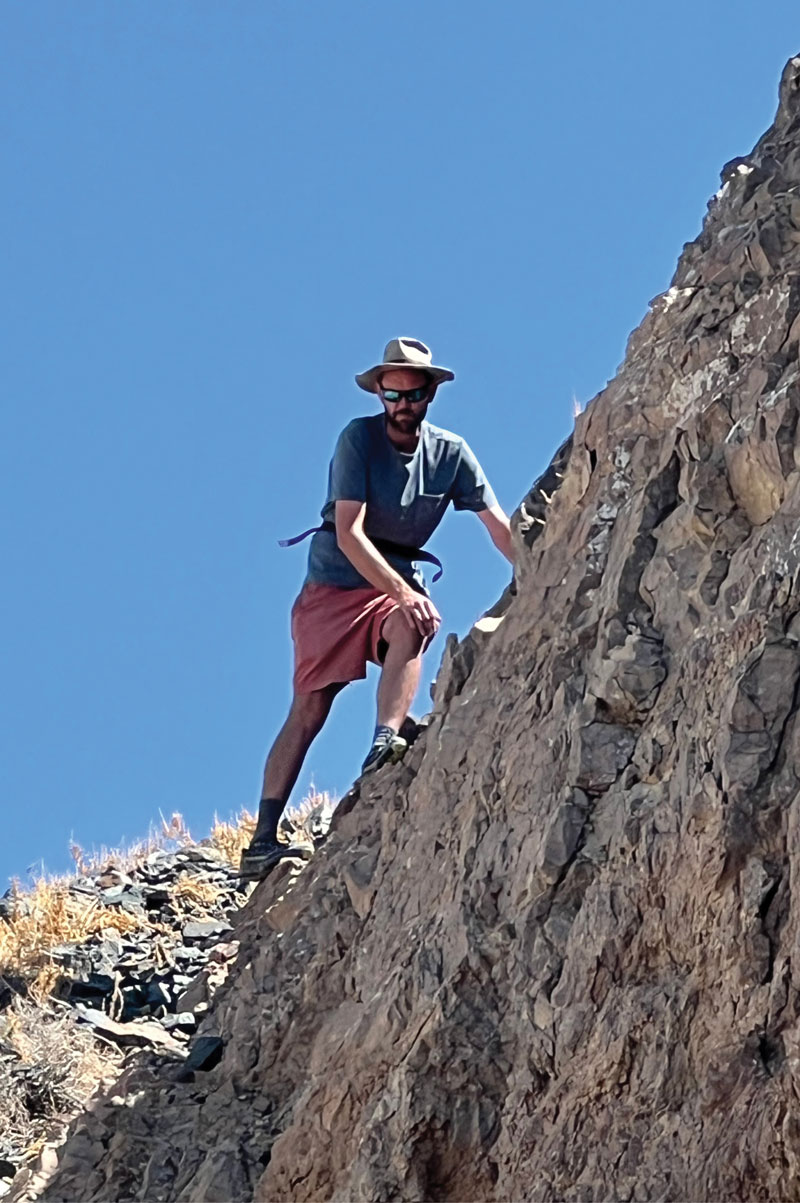
Dr. Adam Cawood examines faults in Clayton Valley, Nevada, documenting structures that provide a geologic record of fluid flow and lithium transport.
Over the past two decades, demand for lithium has increased sharply. The use of lithium-ion batteries to power electric vehicles, grid-scale energy storage and portable electronics has transformed the resource from a niche industrial material into a key component of modern energy systems. Lithium is now widely classified as a critical mineral, with increasing emphasis on securing a reliable domestic supply. Despite this importance, the United States produces only a small fraction of the global lithium supply and relies heavily on imports. Growing demand for lithium is driving renewed interest in understanding how lithium deposits form and how new resources can be identified and developed. Southwest Research Institute is actively working in this area through studies focused on lithium-bearing geologic and hydrologic systems in Clayton Valley, Nevada.
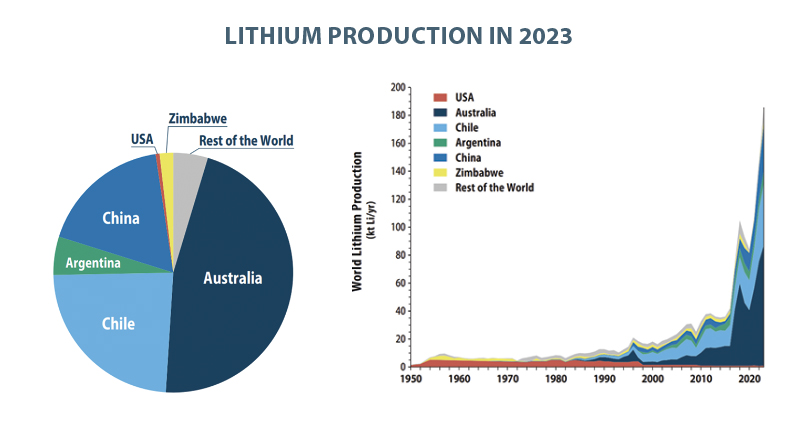
The United States was once a significant producer of lithium. However, as the demand has increased exponentially since the turn of the century, the U.S. contribution has dwindled. In 2023, Australia, Chile and China produced most of the lithium required for batteries powering personal devices and hybrid and electric cars. Data source: Energy Institute, Statistical Review of World Energy 2025.
A Critical Mineral in Short Supply
Lithium is not particularly rare. It is present in Earth’s crust at an average concentration of tens of parts per million and occurs in a wide range of rocks, soils and natural waters. At these concentrations, however, lithium is too diluted to be economically extracted.
DETAIL
Lithium brines are saline groundwaters enriched in dissolved lithium and other elements. In Clayton Valley, large evaporation ponds concentrate lithium in brine form for chemical processing and extraction.
Recently, lithium exploration has focused on volcano-sedimentary systems, where the element leaches naturally from silicic volcanic rocks into fluids and accumulates in basin sediments. In sediment-hosted and brine systems, lithium is highly mobile, readily leached from source rocks and transported in fluids, allowing it to accumulate and become enriched in groundwater brines, clay minerals and basin sediments.
Formation of economically feasible resources requires not only a lithium source, but also conditions that concentrate and retain it. Hydrologically closed basins with no surface or groundwater outflow, coupled with arid climates that drive evaporative enrichment, are ideal. In contrast, hardrock lithium deposits form where lithium is concentrated in minerals formed during magmatic and hydrothermal processes, rather than through basin-scale fluid transport and evaporation. For lithium brine deposits, improved exploration success depends on understanding the controls on lithium mobilization, transport and retention within these systems.
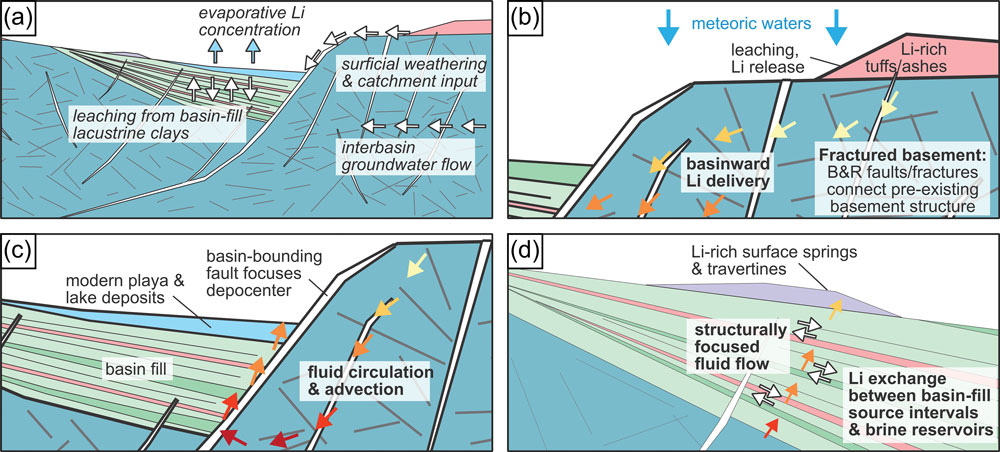
This conceptual model shows how lithium is leached from rocks and transported by surface water associated with precipitation and groundwater (a & b). Lithium is then transported through the subsurface via flow along faults and fractures and concentrated in basin sediments and brines (c & d).
Source to Sink: Pathways & Traps
Recognizing that lithium must be both mobilized and trapped shifts the focus from simply identifying source rocks to understanding the natural fluid-movement pathways connecting source to sink. In many basin systems, those pathways are controlled by faults and fractures — structures that can serve as long-term conduits for fluid flow, linking primary lithium sources to present-day deposits.
DETAIL
Some of the research described in this story was funded by The University of Texas at Dallas Office of Research and Innovation and SwRI through the Seed Projects for Research, INnovation, and Technology (SPRINT) grant. SPRINT was developed to encourage collaboration between the two organizations.
To better understand how these systems operate, SwRI is collaborating with the University of Texas at Dallas (UTD) through the SwRI-UTD SPRINT program to investigate lithium-bearing geologic and hydrologic systems in Clayton Valley, Nevada.
The basin provides a natural laboratory for studying lithium transport and enrichment. Scientists think lithium is leached from abundant volcanic rocks by weathering and transported into the basin where it accumulates in sediments and brines. While this broad framework is widely accepted, the mechanisms that govern lithium transport and concentration remain poorly understood. In particular, it is unclear how fluids move through subsurface bedrock and sedimentary strata over time, how fault and fracture networks evolve and how lithium concentration is retained rather than lost through outflow or dilution.
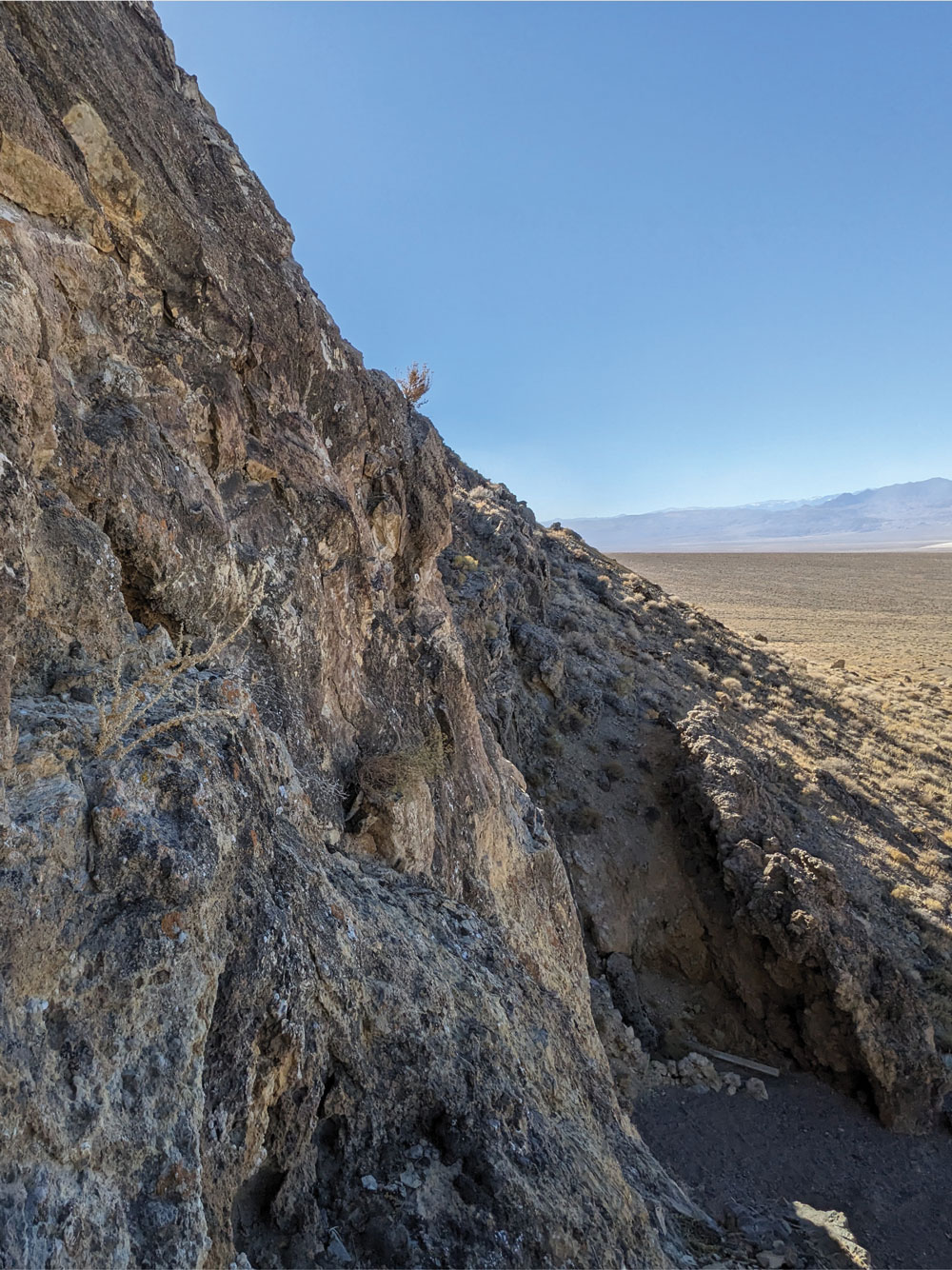
SwRI and UTD researchers studied faults in Paymaster Ridge, a small mountain range in Esmeralda County, Nevada, that defines the eastern margin of Clayton Valley.
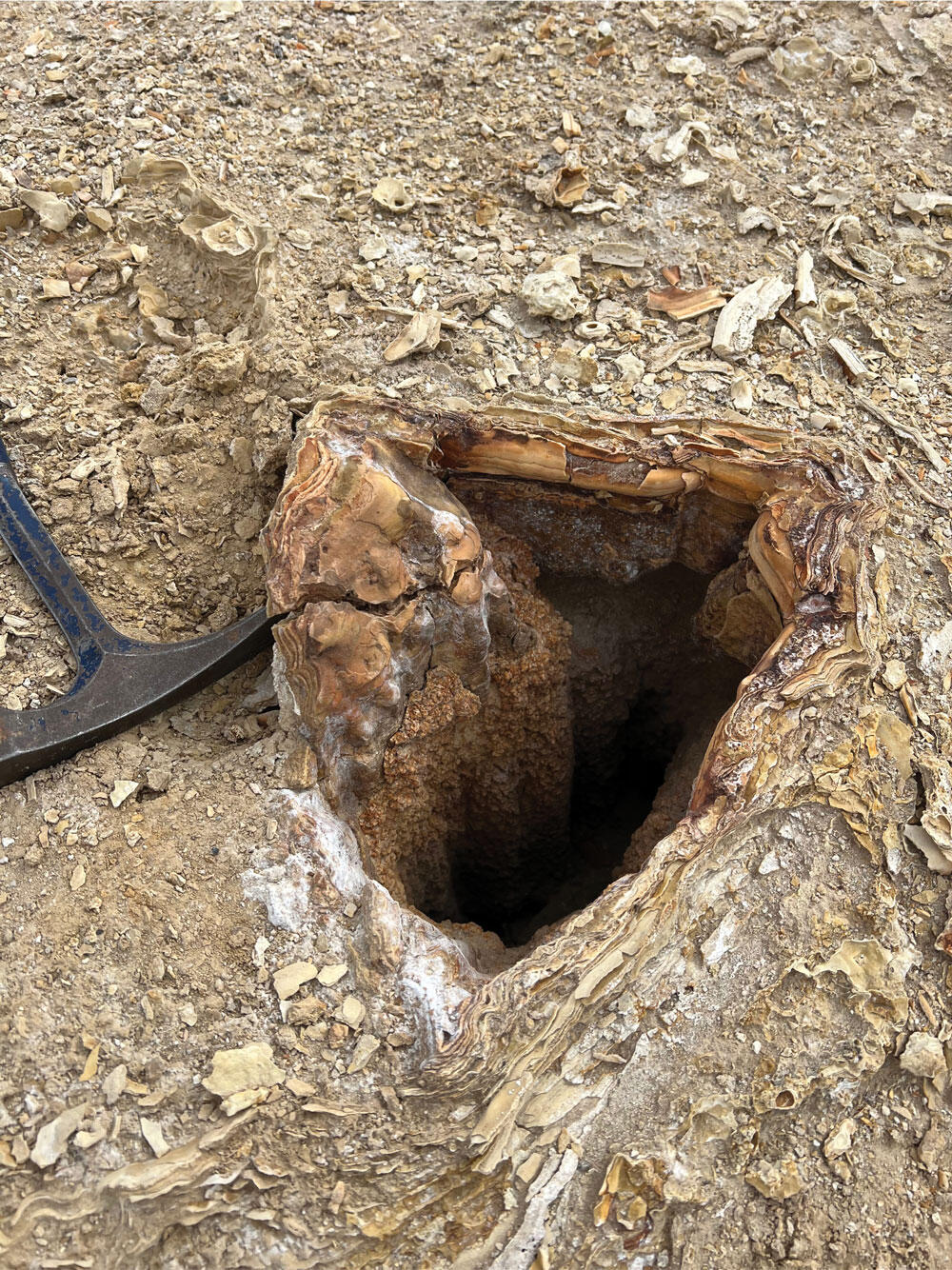
This fossil hot spring deposit in Clayton Valley provides a window into ancient fluid flow systems, a key feature of the dynamic processes involved in lithium mobilization, transport and retention. Hot springs were actively flowing in Clayton Valley through most of the 1900s but were dry by 1980.
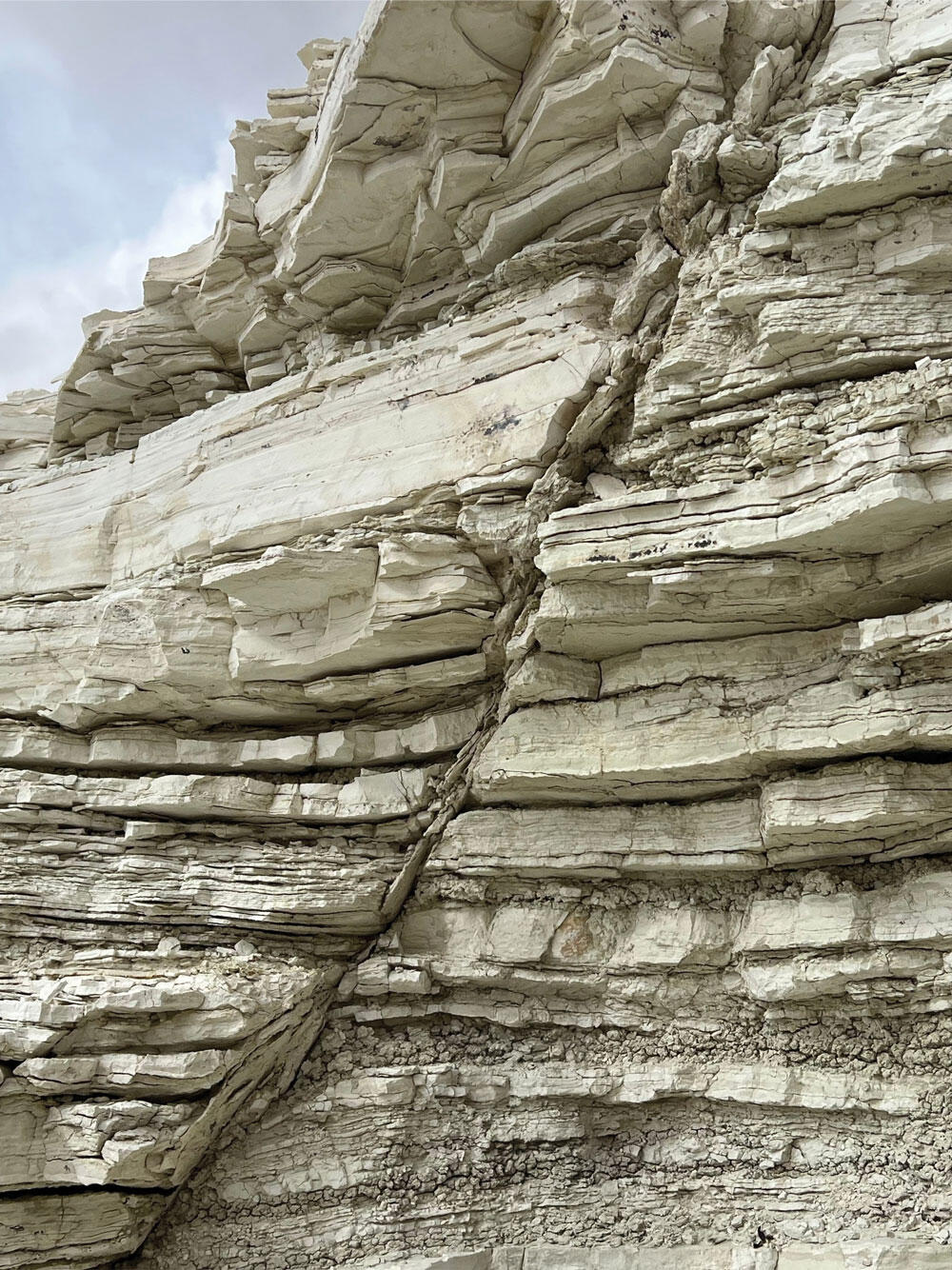
The team studied layered volcanic ash deposits, which weather and, over time, transform into lithium-rich clay minerals, a potential new lithium resource.
Linking Structure & Fluid Flow
DETAIL
Photogrammetry uses overlapping photographs and specialized software to reconstruct outcrops and geologic structures as high-resolution 3D models, allowing researchers to map faults, fractures and rock relationships in detail.
To address these questions, SwRI and UTD researchers combined structural geology with geochemical and geochronological techniques to reconstruct fluid flow in Clayton Valley. Field studies focused on mapping faults, fractures and sedimentary units across the basin and surrounding highlands, supported by high-resolution digital data of outcrops generated using drone-based photogrammetry.
The team collected and analyzed samples from faults, fractures and spring deposits to determine lithium concentrations, mineral compositions, temperatures and mineral formation timing. Based on these datasets, lithium enrichment reflects a combination of processes rather than a single source or event. Lithium is derived in part from volcanic material. Structural and geochemical data indicate that transport by fluids through fault and fracture networks also plays a crucial role. Fluids circulating at depth and moving through the basin over time play a key role in controlling fluid flow and lithium transport.
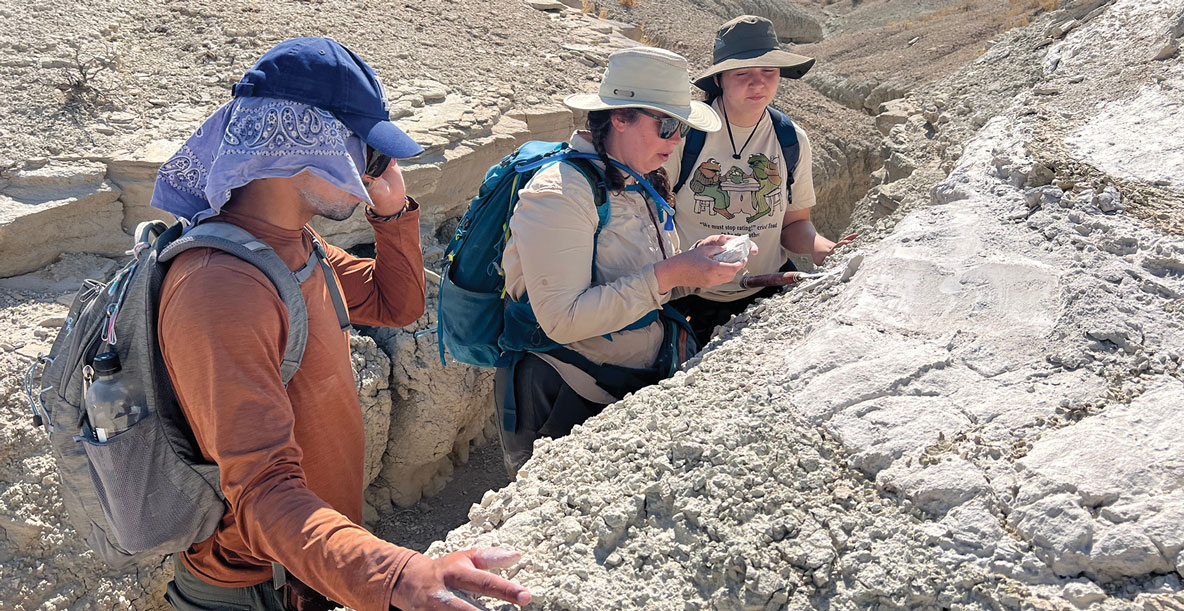
SwRI and UTD researchers conducted field work in Clayton Valley, Nevada, mapping faults, collecting samples and documenting structures, providing a geologic record of fluid flow and lithium transport.
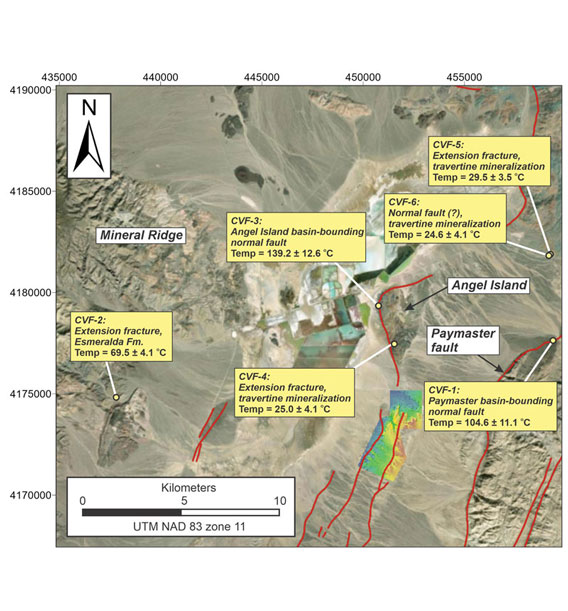
SwRI and UTD studied surface and subsurface temperatures that play a significant role in the development of lithium resources.
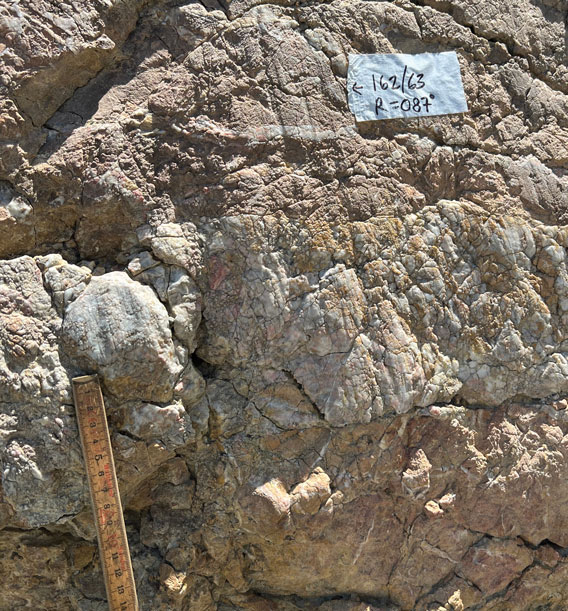
Detailed studies of this normal fault in Clayton Valley, Nevada, are helping researchers understand the complex processes associated with lithium concentration and accumulation. Fault properties vary in response to the movement of the Earth’s crust. In the Clayton Valley region the crust has been pulled apart by extensional tectonics. In extended regions, normal faults develop where rock above fault planes moves downward relative to the rock below the fault, stretching and thinning the crust.
Reading the Record: Timing & Temperature
If lithium brine systems are controlled by fluid flow, then understanding when and how those fluids moved becomes critical. But fluids themselves rarely leave a direct record. Instead, that history must be reconstructed from the minerals they leave behind.
DETAIL
Uranium-lead dating uses radioactive decay to determine when minerals formed, providing ages for past episodes of fluid flow and associated mineral growth. Clumped-isotope thermometry estimates the temperatures at which carbonate minerals formed by analyzing how carbon and oxygen isotopes are ordered within the mineral structure.
In Clayton Valley, carbonate minerals precipitated along faults and fractures provide that record. These minerals form as fluids move through the subsurface, effectively capturing snapshots of fluid flow over time. By analyzing them, it is possible to move beyond static models and begin to reconstruct the evolution of the system across geologic time.
Researchers at SwRI applied a combination of geochronological and geochemical techniques, assessing these carbonates to constrain both the timing and temperature of fluid flow. Uranium-lead dating of calcite provides ages for mineral growth, while clumped-isotope thermometry offers direct estimates of mineral-formation temperature. Together, these approaches allow scientists to track fluid circulation over millions of years. The results point to a persistent, dynamic system.
From Discovery to Extraction
by Josh Mangum, Ph.D., and Vicky Poenitzsch, Ph.D.
In the current environment of high lithium demand, finding the resource is just part of the challenge. Extracting it from clays, sediments and low-grade materials is also difficult. Traditional methods have been optimized for brine or hard-rock deposits, but many emerging resources do not fit these models. Researchers at SwRI are exploring new approaches to lithium extraction, with efforts aimed to complement advances in exploration by expanding the range of lithium resources that can be economically developed.
For instance, materials scientists are developing plasma-based technologies to improve recovery. These involve injecting carbon dioxide gas beneath the surface of a lithium-bearing brine, where a plasma discharge ionizes the gas to generate highly reactive species. The activated CO2 molecules bond with dissolved metals such as lithium to form metal carbonates. Adjusting the pH of the solution then changes the solubility of the resulting carbonate, causing it to precipitate, which allows the solids to be filtered and recovered. Unlike evaporation-based methods that depend on large surface ponds and long residence times, this process targets dissolved metals directly and operates on much shorter timescales.
SwRI has demonstrated the method using dissolved calcium chloride, which precipitates as calcium carbonate under controlled conditions. Scanning electron microscopy and energy-dispersive X-ray analysis of the recovered material confirm a composition dominated by calcium, carbon and oxygen, consistent with calcium carbonate. These proof-of-concept results provide a foundation for extending the approach to lithium-bearing brines, where selective recovery of lithium carbonate could reduce the land, water and time required by current extraction methods.
As SwRI geologists make advances in exploration, materials scientists are developing the techniques needed to cost-effectively produce the emerging resources.
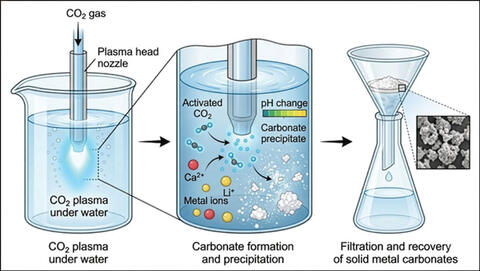
This schematic illustrates the plasma-based carbonate precipitation process for lithium production. The technique involves using a plasma nozzle to inject CO2 ionizing gas below the surface. The activated CO2 reacts with dissolved metal ions such as lithium or calcium to form carbonates, which are recovered as solid precipitates following pH adjustment and filtration.
SwRI and UTD researchers have found that fluid flow in Clayton Valley has not been confined to a single event. Rather, it occurred in multiple phases over geological time, with fluid temperatures ranging from atmospheric conditions to significantly elevated subsurface temperatures at depth. These variations reflect changes in basin evolution, fault activity and fluid sources, highlighting the role of structural pathways in repeatedly focusing fluid flow. Rather than a simple process of lithium being leached once and deposited in a single cycle, data suggest that the system may have been reworked over time, with fluids circulating, interacting with rocks and redistributing lithium both vertically and laterally within the basin.
Fluid Flow Cycles
The ability to constrain the timing and conditions of fluid flow provides a critical link between source, transport and accumulation, offering a new way to evaluate how and where lithium could be concentrated in similar systems. The data from Clayton Valley indicate that lithium systems are dynamic and that the element has been mobilized, transported and redistributed through the basin over millions of years. Fault and fracture networks play a central role in this process, providing pathways for fluid movement, connecting different parts of the basin and influencing where lithium is concentrated or dispersed. As geologic structures evolve, they modify the pathways available for fluid flow, leading to repeated cycles of redistribution. Lithium distribution reflects the combined effects of source materials, fluid flow pathways and basin evolution over time. Understanding this behavior is important for identifying where lithium is most likely to accumulate in economically viable concentrations.
Where Lithium Accumulates
The demand for lithium has changed how geoscientists think about the subsurface. What was once considered a relatively simple resource problem is now understood to involve a more complex set of processes, where fluid flow, geologic structure and time control where lithium ultimately accumulates. That shift is opening up new opportunities.
Advances in analytical techniques now allow geologists to reconstruct the timing and conditions of fluid flow in ways not possible even a decade ago. These approaches provide a clearer picture of how lithium systems evolve and offer a path toward more targeted and effective exploration. At the same time, the need for lithium is only increasing. Demand driven by electric vehicles, energy storage and the broader transition to low-carbon energy systems shows little sign of slowing.
In the United States, where domestic lithium production remains limited, this adds urgency to efforts to better understand and develop lithium resources at home. Solving that problem requires understanding how lithium moves through the Earth, how it is concentrated and how it is ultimately trapped.
Questions about this story or Geological Services? Contact Dr. Kevin Smart at +1 210 522 5859.
The SwRI-UTD project was funded (or partially funded) by The University of Texas at Dallas Office of Research and Innovation and SwRI through the SPRINT grant program.
ABOUT THE AUTHORS
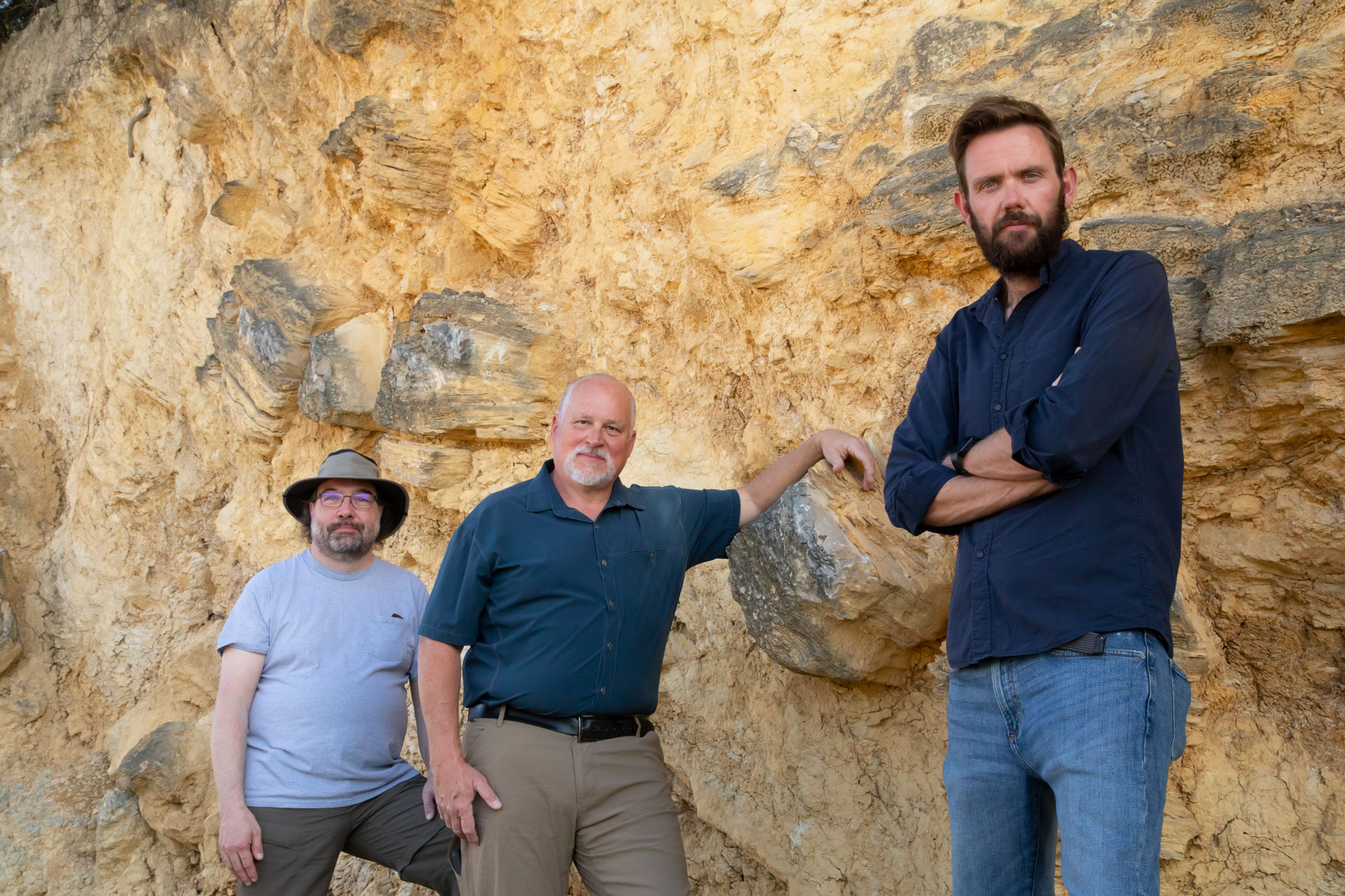
From left, Dr. Kevin Smart is manager of SwRI’s Earth Science Section where he develops projects for a range of clients, with emphasis on oil and gas exploration and production, geothermal energy exploration, groundwater resource analysis and natural hazard assessment. SwRI Technical Advisor Dr. David Ferrill is a structural geologist with international research experience in contractional, extensional and strike-slip tectonic regimes, particularly in support of international oil and gas exploration and production. Former staff member Dr. Adam Cawood (2020-26), served as a leader of the SwRI-UTD lithium project and made significant contributions to its findings and this article.