Click below to jump to an article of interest.
Lifecycle Management to Improve Aircraft Safety
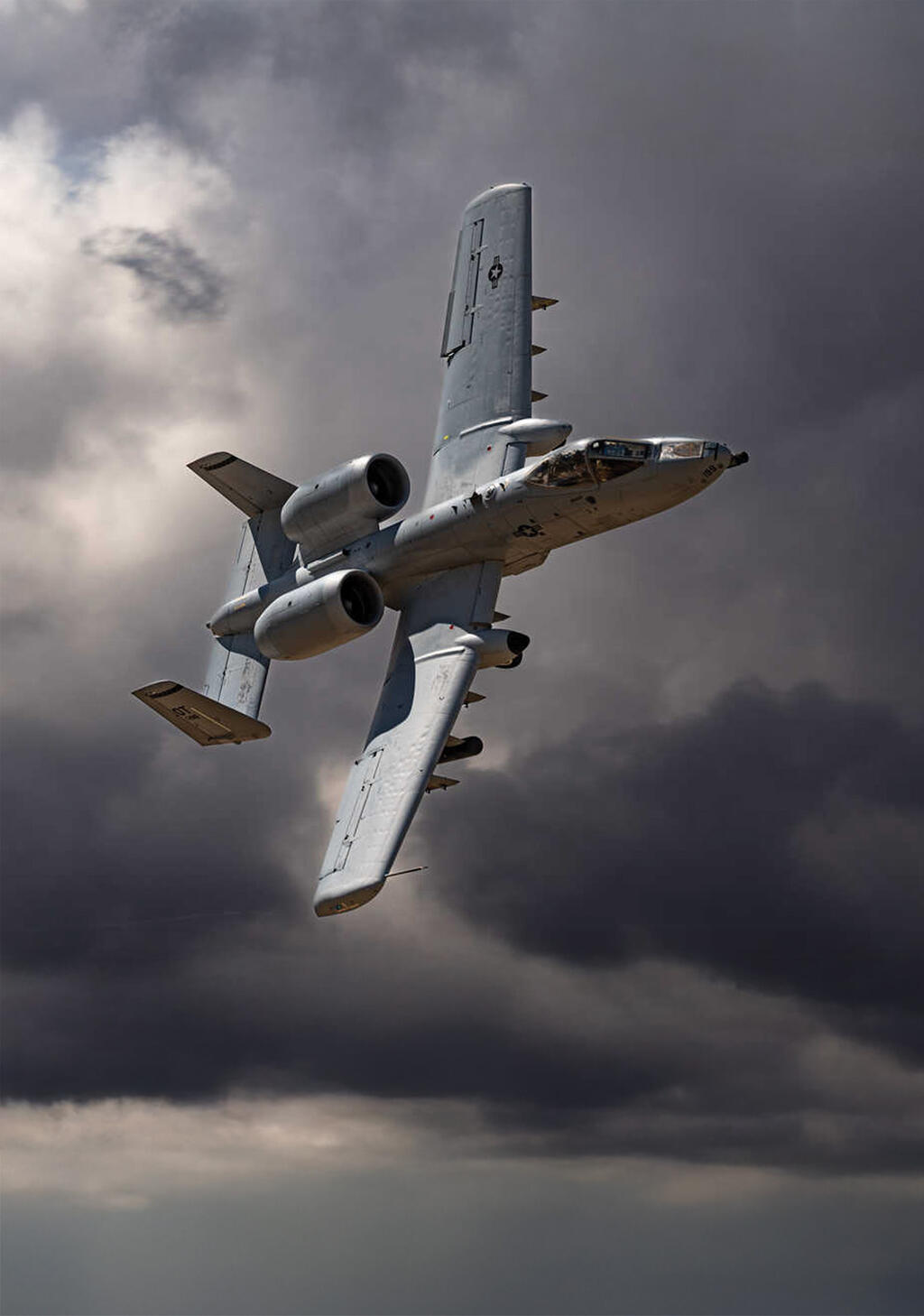
IMAGE COURTESY U.S. AIR FORCE
SwRI is developing a Product Lifecycle Management (PLM) system to organize decades of scattered records for aging aircraft, such as the A-10 Thunderbolt, to support cost-effective proactive maintenance measures.
SwRI is creating a Product Lifecycle Management (PLM) system that stores and organizes decades of scattered records and data. The U.S. Air Force Academy project seeks to improve aircraft maintenance efficiency and safety through prognostic engineering, which uses data, modeling and analytics to perform repairs and maintenance before problems occur.
SwRI has decades of experience working with the U.S. military to sustain fleets of aging aircraft. Programs involve monitoring, new technology and inspection methods while addressing problems associated with information security and electronic systems.
“Many legacy aircraft were designed and maintained long before digital recordkeeping was common, so design, usage and maintenance documentation is scattered across many formats and locations,” said SwRI Senior Research Engineer Martin Raming, who leads the project. “Our goal is to create a central, structured digital system for all of that information.”
Integrating the PLM system with existing Air Force analysis tools will manage workflows and lay the groundwork for future digital twin development — virtual models of aircraft that incorporate mechanical, structural and avionics data for comprehensive lifecycle management.
“A PLM system will allow us to make more precise prognosis-based engineering decisions,” Raming explained. “Being proactive on that level improves safety and allows the military to save money on aircraft maintenance by fixing problems before they become expensive failures.”
SwRI is using existing software to build the PLM system, which will be designed to interact with other tools that determine when cracks could form or if an inspection is necessary. The software will capture workflows, creating a closed-loop system for maintenance and engineering decisions. The system will link analyses to the exact version of an aircraft model or component. When engineers revisit the analysis later, they can see precisely the information source for previous maintenance activities.
For more information, visit Aerospace Structures.
Reconsidering Europa's Vapor Plumes

IMAGE COURTESY NASA
Looking back at 14 years of Hubble telescope data for Jupiter’s moon Europa has given SwRI scientists a better understanding of its tenuous atmosphere. The findings have cast doubt on previous evidence suggesting that the icy moon intermittently discharges faint water plumes from a presumed subsurface ocean.
“The evidence for water vapor plumes on Europa isn’t as strong as we first understood it,” said SwRI’s Dr. Kurt Retherford, one of the authors of a 2014 paper initially making that assertion. Retherford and his colleagues have recently published a new paper reanalyzing the data.
The new paper looks at the last 14 years of data from the Hubble Space Telescope’s Space Telescope Imaging Spectrograph (HST/STIS) focused on Europa’s Lyman-alpha emissions. Lyman-alpha is a specific wavelength of ultraviolet light emitted and scattered by hydrogen atoms. From 2012-2014, the team was pushing the limits of the Hubble telescope’s capabilities.
“One of the difficulties in interpreting the data back then was determining where to place Europa within its context,” Retherford said. “The way Hubble works left some uncertainty in terms of placement relative to the center of the image. If Europa’s placement was off even just by a pixel or two, it could affect how the data gets interpreted.”
As a result, what they thought could be evidence of a water vapor plume could also just be statistical noise.
“Our reanalysis took our original 99.9% confidence in the plumes’ existence and reduced it to less than 90% confidence,” said Dr. Lorenz Roth (Royal Technical Institute, Sweden), the paper’s lead author. “That’s simply not enough evidence to support the certainty of claims we made at the time.”
Retherford said the current dataset does not rule out the possibility of the water vapor plumes described in the 2014 paper, but it no longer provides concrete evidence of them.
For more information, visit Planetary Science.
Insight into Solar Flare Mechanisms

IMAGES COURTESY SWEDISH SOLAR TELESCOPE/NASA SDO
SwRI-led research suggests that repeated magnetic reconnection may be what leads directly to quasi-periodic pulsations observed in solar flares, such as this medium-sized flare, which sparked a long, magnetic filament to erupt.

New SwRI-led research connects circular flare ribbons with energy released by repeated bursts of magnetic reconnection and quasi-periodic pulsations, finding plasma flowing downward (red) and upward (blue), respectively. Downward flows pulsed in time across the entire ribbon suggest that magnetic field lines breaking and reforming release tremendous amounts of energy that drive the entire flare.
A new study led by SwRI links quasi-periodic pulsations (QPPs) in solar flares to dynamic oscillations in magnetic reconnection, phenomena that can drive space weather and affect technology on Earth. This research could help refine traditional solar flare models and provide new insights into the mechanisms driving them.
Magnetic reconnection occurs when magnetic field lines in plasma break and reconnect, releasing immense energy into the surrounding atmosphere that can result in space weather. Solar flares are intense, transient bursts of energy on the Sun’s surface and are the most common and spectacular examples of solar weather. QPPs, oscillating signals emitted across the electromagnetic spectrum, are often associated with solar flares. However, their origins and the functions driving them have eluded explanation.
“Solar flares are the largest eruptive phenomena in our solar system, but the mechanisms behind quasi-periodic pulsations have remained a mystery,” said Dr. William Ashfield IV, postdoctoral researcher in SwRI’s Solar System Science and Exploration Division. He is lead author of a Nature Astronomy paper describing new findings about these phenomena. “While QPPs appear in around 50% of large solar flares, they are still poorly understood. We wanted to get a better sense of why they occur and figure out how they fit into the energy release process.”
To better understand the nature of QPPs, the researchers used high-resolution observations from the Swedish Solar Telescope in the Canary Islands and precise spectroscopic data from NASA’s IRIS telescope in Sun-synchronous orbit. The researchers observed a moderate-strength solar flare and conducted a pixel-by-pixel spectroscopic analysis to capture QPP evidence successfully.
“The complementary observations from ground-based and space-based telescopes allowed us to rule out competing theories and narrow down potential driving mechanisms behind QPPs,” Ashfield said. “Our findings suggest that repeated magnetic reconnection may be what leads directly to the QPPs observed in this solar flare.”
According to Ashfield, the study highlights the need to incorporate oscillatory behavior into magnetic reconnection theories, providing constraints to guide future research.
“Understanding QPPs isn’t just about understanding the solar flares themselves,” Ashfield said. “Our research lays a foundation for future studies to use larger datasets and advanced simulations to deepen our understanding of space weather events and other astrophysical phenomena associated with magnetic reconnection.”
For more information, visit Heliophysics.
SwRI Expands Environmental Management Certification
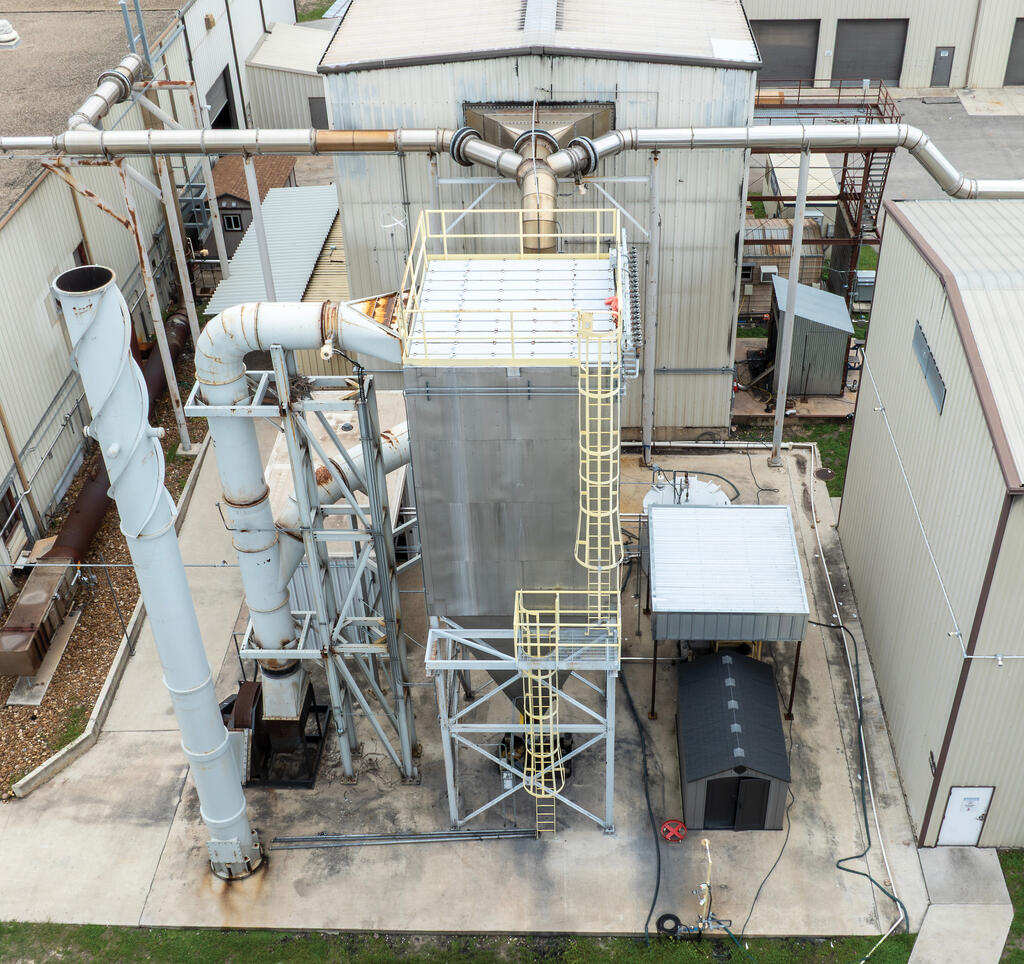
SwRI has expanded its ISO 14001 certification, an internationally recognized environmental management framework, to proactively reduce emissions and protect the environment during operations. SwRI’s fire testing laboratories are equipped with a custom pollution abatement system (seen here) to ensure pollutants are not released into the environment during testing.
SwRI has achieved ISO 14001:2015 certification for its fire technology, pharmaceutical development, analytical and environmental chemistry, and chemical engineering research areas. The internationally recognized environmental management framework supports proactive systems and operations to reduce emissions and protect the environment.
“While we already had many of the systems in place required to meet this accreditation, we took the important next step of formalizing it,” said Karen Martinez, director of SwRI’s Fire Technology Department. “The ISO 14001 accreditation should give our clients peace of mind knowing we’re doing everything possible to protect our community and environment.”
To achieve this expanded third-party certification, SwRI’s quality assurance team worked for two years to train staff to maintain proper documentation and adhere to the standard before undergoing external audits. SwRI’s automotive engineering research activities had previously received ISO 14001:2015 certification.
“At SwRI, stewardship is one of our core values. We already maintain strict systems to prevent air and water pollution during our operations,” said Colby Tate, a manager on SwRI’s quality assurance team. “The rigorous process for obtaining certification gives our clients one more reason to work with us.”
Conformance to ISO 14001:2015 requires compliance with both external and internal rules, regulations and permits regarding environmental aspects, with an emphasis on continual improvement along with regular audits by ISO-certified bodies.
“SwRI’s fire testing activities use a customized pollution abatement system to capture smoke and other toxic particulates, keeping them out of the air we breathe. This system is crucial to our fire testing and a big part of how we achieved this ISO accreditation,” said Martinez.
For more information, visit Fire Research & Engineering, Pharmaceutical Development or Chemistry & Chemical Engineering.
Safer Storage Tank Inspections
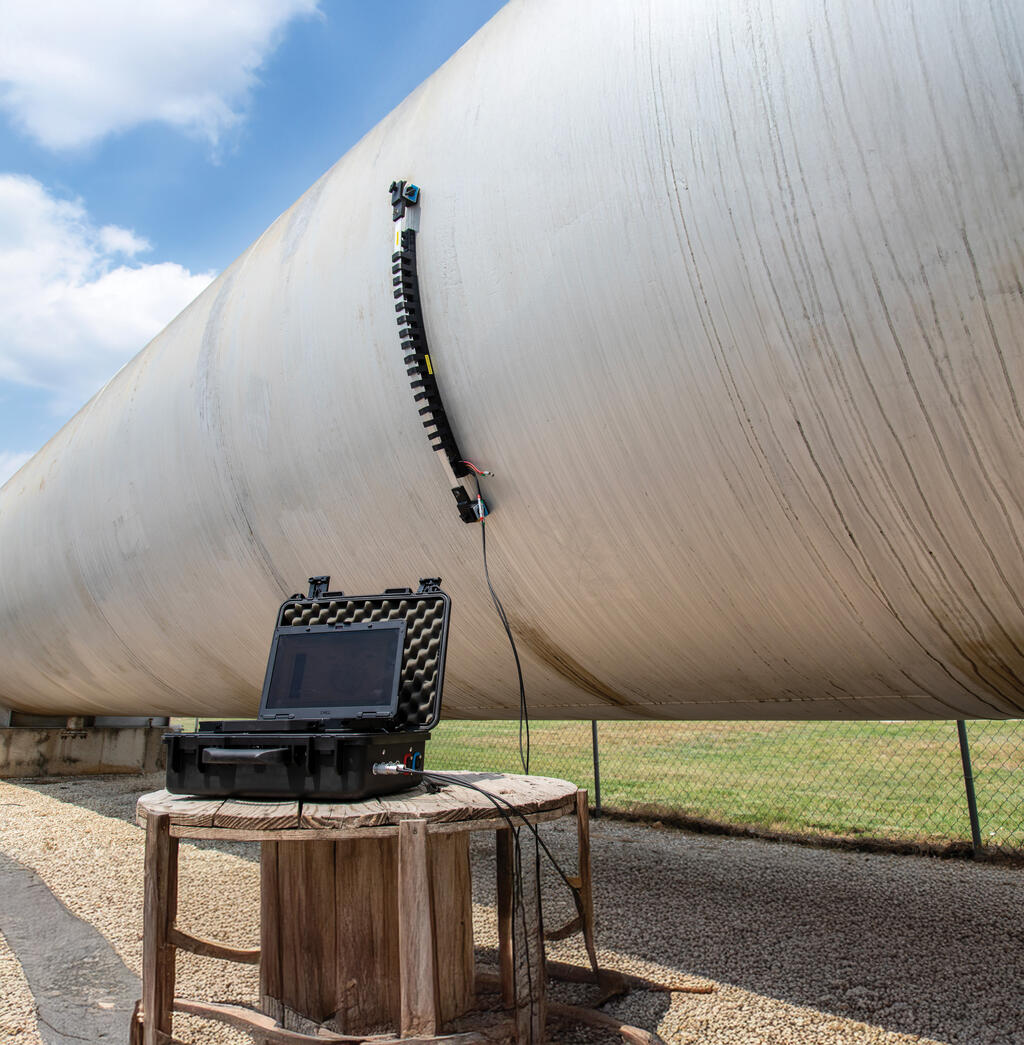
SwRI has created a magnetostrictive transducer (MST) probe that uses guided wave technology to detect corrosion in storage tanks, creating a more cost-effective and efficient inspection method. SwRI’s probe attaches to the side of a storage tank and produces a highly detailed map of damaged areas inside.
SwRI has created a magnetostrictive transducer (MST) probe that uses ultrasonic guided wave technology to detect corrosion in storage tanks, a process that normally requires emptying the tank and checking for corrosion manually. SwRI’s probe attaches to the outside of a storage tank, resulting in a more cost-effective and efficient method of corrosion detection.
The SwRI MST 8x8 is a flexible strip of eight ultrasonic sensors that generate acoustic waves along a structure. The technique identifies anomalies when the waves are reflected back to the sensor by corrosion and other flaws. Specifically, the probe uses shear horizontal guided waves, which are ideal for detecting defects because of their sensitivity and precision. SwRI is a leader in advanced inspection technologies, with considerable expertise in MSTs.
“Many industries require storage tanks to be inspected regularly,” said SwRI’s Dr. Sergey Vinogradov, author of a recent paper detailing the efficacy of the SwRI MST 8x8. “This can be a very expensive process, as it requires the tank to be emptied, cleaned and manually inspected. By allowing inspection without emptying the tank, our probe reduces expensive downtime and improves inspection safety, by avoiding work in hazardous, confined spaces.”
SwRI performed rigorous field testing of the probe on a series of storage tanks, though the technology can also be applied to ship hulls, wind turbines, rocket bodies, pipelines and other structures. The probe’s array of eight sensors also allows it to collect data from multiple angles, increasing accuracy.
“Data from the probe are processed with an advanced imaging algorithm, the total focusing method, that generates these maps,” Vinogradov said. “As a result, instead of just indicating the presence of an anomaly, it can create a high-resolution map of the structure, showing areas with potential corrosion. This helps users assess the extent of damage to decide when to schedule expensive, time-consuming tank repairs.”
For more information, visit Magnetostrictive Sensor-Based Guided Waves.
Sun's Complex Magnetic Engine
A SwRI-led study found that protons and heavy ions react differently to solar magnetic reconnection events, revealing a more complex magnetic engine powering the solar wind.
Magnetic reconnection converts magnetic energy into explosive kinetic energy, powering solar events and causing space weather that impacts Earth. Magnetic reconnection energizes protons and heavy ions, sending them shooting out of the Sun at high speeds.
Current models assume all these particles react the same way, but new data obtained by NASA’s Parker Solar Probe show distinct differences in particle acceleration. While heavy ions shoot out straight like a laser beam, protons create waves that scatter subsequent particles in a dispersed pattern, more like a flashlight.
“These new data rewrite our understanding of reconnection,” said SwRI’s Dr. Mihir Desai, lead author of a new paper about this research. “Protons and heavy ions show distinct spectra that contradict current models. Protons generate waves that scatter them more efficiently, while the heavy ions stay beam-like and retain their accelerated spectral shapes.”
Magnetic reconnection is a ubiquitous phenomenon in the universe, where magnetic field lines converge, break apart and reconnect. At the Sun, the explosive physical process energizes particles and generates high-speed flows, driving space weather events such as solar flares and coronal mass ejections. Understanding how magnetic reconnection works is critical for predicting hazardous events and protecting life and technological assets on Earth and in space.
“What we are learning is that the Sun’s ‘magnetic engine’ is far more complex than we imagined,” Desai said. “This is incredibly exciting because it demonstrates that our own star acts as a local, accessible laboratory for the same high-energy physics — like particle acceleration and magnetic snapping — that powers the most violent and mysterious phenomena in the universe, from black holes to supernovae.”
For more information, visit Heliophysics.

New Inspection Methods for Air Force Aircraft
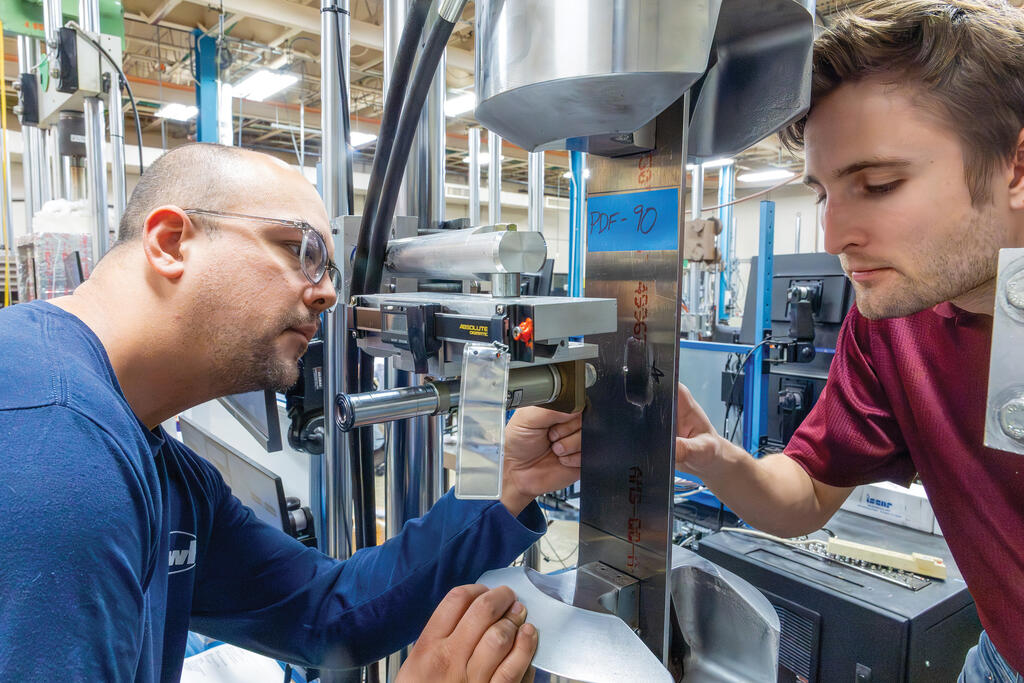
SwRI has received a contract from the U.S Air Force Academy to characterize inspection methods for bushing-repaired bolt holes in aging aircraft. Assessing bolt hole condition through inspection supports wider efforts that inform repair decisions and ensure aircraft safety.
SwRI has received a contract from the U.S Air Force Academy to characterize inspection methods for bolt holes in aging aircraft to inspect through bushings without removing them. Assessing bolt hole condition through inspection supports wider efforts that inform repair decisions and ensure aircraft safety.
For decades, SwRI has supported the U.S. Air Force’s Aircraft Structural Integrity Program (ASIP) and the U.S. Air Force Academy Center for Aircraft Structural Life Extension (CAStLE), which ensures that aging military aircraft can continue to fly safely. These programs use damage tolerance analysis, aircraft usage data, and the results of nondestructive inspections to establish regular inspection intervals to extend the life of aging structures.
“It’s important to inspect locations where stress can lead to damage,” said SwRI Senior Research Engineer Nathan Richter, who oversees the project. “We use nondestructive evaluation (NDE) methods in areas where cracks may form. NDE helps detect damage without altering or removing a part and its sensitivity varies with the flaw size.”
Bolt holes require careful monitoring, because they exist in high-stress areas of the aircraft. When cracks or wear develop around a bolt hole, the damaged material is often replaced with a cylindrical metal sleeve called a bushing.
“Inspecting bushing-repaired holes is challenging because the bushing must be removed, risking further damage to the hole during removal and reinstallation,” Richter said.
To address this, SwRI is using low-frequency eddy current testing, an NDE technique that applies electromagnetic fields to detect and characterize subsurface flaws and cracks without removing the bushing. These results will then be used to develop probability of detection, or POD, curves to characterize the flaw detection capability of the method.
For more information, visit Aerospace Structures or Sensor Systems & Nondestructive Evaluation (NDE).
SwRI Releases 2025 IR&D Report
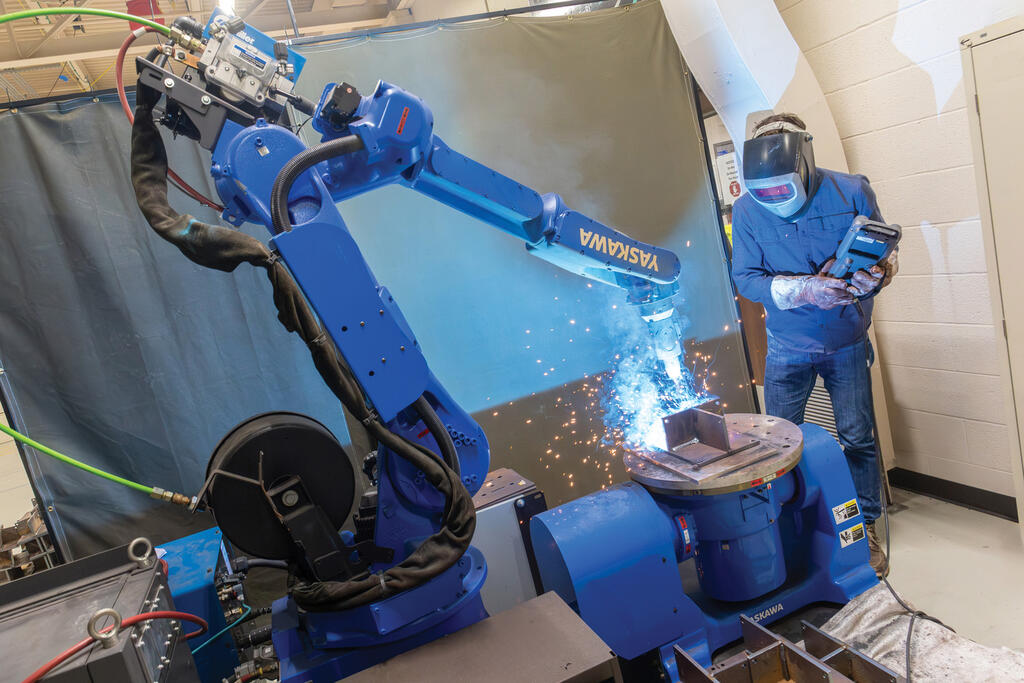
Using funding from the SwRI IR&D Program, engineers developed a learning-based framework that integrates residual stress insights from physics-based simulations with real-world assembly variations to optimize welding of large structures. The resulting robotic system increases the service life and performance of large structures such as ships while reducing post-fabrication rework.
SwRI has released its 2025 Internal Research & Development (IR&D) Annual Report online, showcasing internally funded projects conducted by the Institute in 2025.
SwRI’s IR&D program provides staff with funding to encourage scientific discovery, address clients’ future needs and fulfill the Institute’s mission of benefiting humanity. It provides SwRI scientists and engineers with the freedom to explore innovative, unproven concepts to tackle emerging industry challenges, transforming novel and innovative ideas into new technical discoveries, developments and applications.
In fiscal year 2025, SwRI invested more than $13 million to fund IR&D projects that pioneer new technologies, expand institutional knowledge and capabilities, and encourage the professional growth of its staff.
“Southwest Research Institute’s IR&D Program represents a significant investment of time and financial resources to explore new ideas for the mutual benefit of the Institute and its clients,” said Walter D. Downing, SwRI executive vice president emeritus and administrator of the 2025 Advisory Committee for Research, which oversees the program. “SwRI’s IR&D program demonstrates the viability of innovative technologies in potential applications using real results. The IR&D program is frequently cited as a key enabling factor leading to new projects, new clients and new program areas within the Institute.”
SwRI staff initiated 141 new IR&D projects in 2025. An additional 108 previously funded projects continued throughout the year, totaling 249 active internally funded projects. The projects represent a wide swath of research disciplines, industries and market segments, including automotive and transportation, Earth and space, defense and security, and biomedical and health research.
For more information, visit Internal Research & Development.
CMMC Cybersecurity Certification Earned
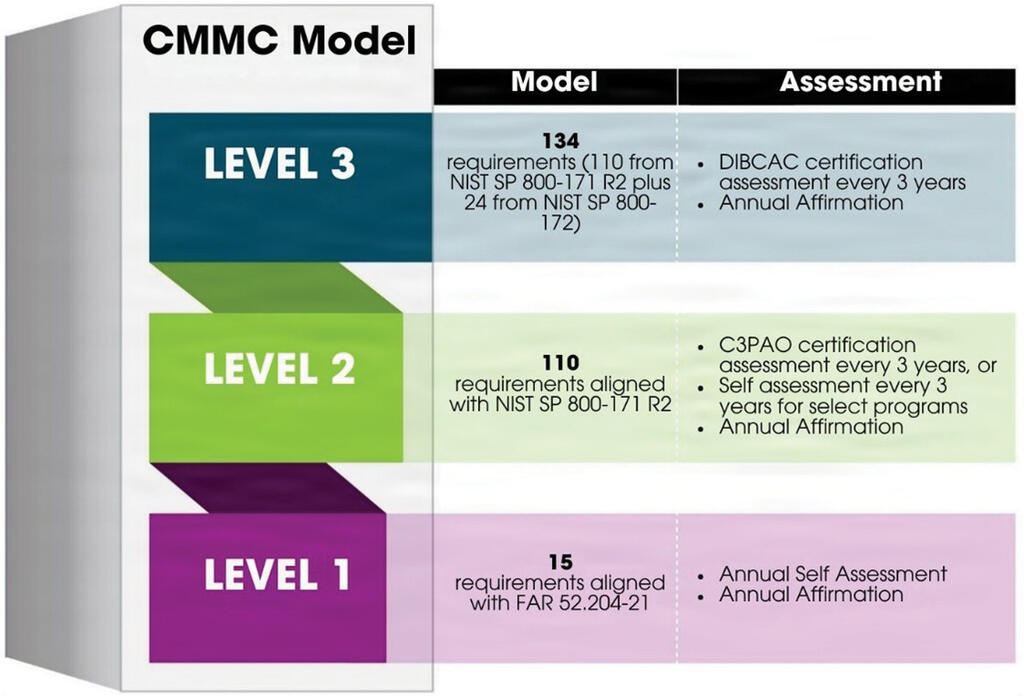
Two divisions at SwRI have officially achieved CMMC Level 2 certification through an independent, third-party assessment, demonstrating a commitment to cybersecurity best practices for government and industry.
The U.S. government created the Cybersecurity Maturity Model Certification (CMMC) Program to enhance security of sensitive information. It provides a framework designed to validate requirements recommended by the National Institute of Standards and Technology.
“Our leadership has made a significant investment into CMMC,” said Stephan Polinsky, SwRI’s chief information security officer. “SwRI is working to integrate these practices into business lifecycles to ensure consistent adherence to secure procedures across the organization for years to come.”
The certification applies to SwRI’s Intelligent Systems and Mechanical Engineering divisions. Level 2 certification can only be obtained through an independent self-assessment authorized by a third-party CMMC assessment organization.
“This independent assessment demonstrates a commitment to the rigor of the process,” said Dr. Steve Dellenback, vice president of the Intelligent Systems Division. “We are proud to be an early adopter and to have achieved the Level 2 certification.”
To obtain Level 2 certification, SwRI had to meet 110 requirements related to topics such as access controls, awareness, training, accountability, incident response, personnel security, physical protection and more. The certification will be up for renewal in three years. SwRI will affirm its compliance with security requirements annually.
“Adhering to the CMMC program increases our cybersecurity capabilities, allowing us to better protect our clients’ data,” said Dr. Barron Bichon, vice president of the Mechanical Engineering Division. “And over time, the entire Institute and our clients will benefit through a culture that promotes maturing processes.”
SwRI’s Intelligent Systems Division specializes in applied research using computer science and engineering disciplines to solve automation challenges in the transportation, manufacturing and medical environments. The Mechanical Engineering Division develops technical solutions for multiple industries, from energy to ballistics, materials and structures, to improve efficiency and productivity.
For more information, visit its.swri.org.
Hydrogen Energy Research
SwRI has received funding from the ENERGYWERX program to support hydrogen-related research. The eight projects are evaluating technology to improve energy infrastructure and support the use of this clean-burning fuel.
SwRI scientists and engineers across multiple disciplines are working together to prepare for a future hydrogen economy. The ENERGYWERX program funds cooperative research activities between the Department of Energy and nonprofits, private companies, utilities, localities and other organizations to accelerate the development of clean energy technologies and solutions.
The eight projects are:
- Pressure cycle testing a hydrogen check valve to support high-pressure gaseous hydrogen refueling.
- Evaluating the reliability of valves repeatedly exposed to high-pressure hydrogen gas and extreme temperatures, conditions that can embrittle metals and damage sealing elements, making them prone to leaks.
- Establishing facilities and methodologies to support comprehensive hydrogen component testing, highlighting safety, reliability, performance and compliance with global standards.
- Testing ultrasonic meters adapted to measure the flow of hydrogen-natural gas blends as well as evaluating the performance of the new meters with existing pipeline transmission technology.
- Assessing a new gas analysis sensor designed to detect hydrogen and methane content in hydrogen-natural gas blends.
- Testing and validating a hydrogen gas analysis sensor for sensitivity, response time and accuracy.
- Calibrating detection methods against known hydrogen leak scenarios to reinforce safety protocols with real-time detection.
- Evaluating the compatibility and safety of using O-ring materials in hydrogen gas environments.
SwRI is conducting many of the projects in its Metering Research Facility. The ENERGYWERX projects are expected to be completed by the end of 2026.
For more information, visit Hydrogen Energy Research.

Studying Medicine Storage in Space
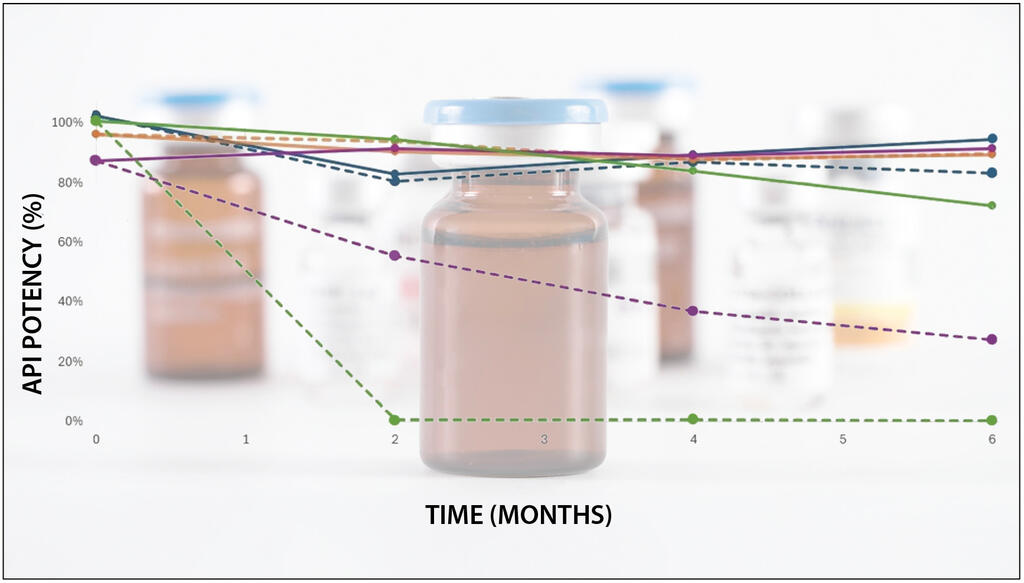
SwRI evaluated NASA’s medication handling practices, comparing medications stored in their original packaging (solid lines) to those repackaged for spaceflight in zip-style bags (dotted lines), finding that active ingredients degraded measurably when repackaged.
SwRI evaluated NASA’s medication handling practices, which currently call for removing drugs from their original packaging and storing them in resealable plastic bags. Although this allows astronauts to economize stowage for spaceflight, SwRI’s investigation found that active pharmaceutical ingredients degrade at a higher rate when stored in bags.
NASA’s Artemis program seeks to develop a lunar base to support a sustained human presence on the Moon. To prepare for longer space missions, SwRI collaborated with NASA to understand how active ingredients in medications may degrade over time.
Researchers did not fly any medicines into space but instead tracked and measured active ingredients found in common drugs that lunar astronauts would need. Researchers kept a sample of medications in their original packaging and repackaged other samples in zip-style plastic bags. They then exposed both sets of samples to hot, humid conditions — 40° Celsius/104° Fahrenheit and 75% relative humidity.
“While the study was limited to Earthly conditions, we found that within two months, active ingredients in one common antibiotic were completely degraded while ingredients in two other medications degraded measurably,” said Judy Herrera, a senior research scientist at SwRI.
SwRI scientists performed periodic high-performance liquid chromatography analyses on the medicines over six months. Although the research was limited to a small sample of medications and did not account for space conditions, such as radiation, scientists noted significant degradation of active ingredients for the medications tested.
“SwRI’s fully integrated pharmaceutical development program has the facilities, analytical expertise and experienced staff to design and execute studies like this efficiently, all within a single organization,” said Darrel Johnston, director of Pharmaceuticals and Bioengineering at SwRI.
For more information, visit Pharmaceutical Development.
Ebola Virus Advances
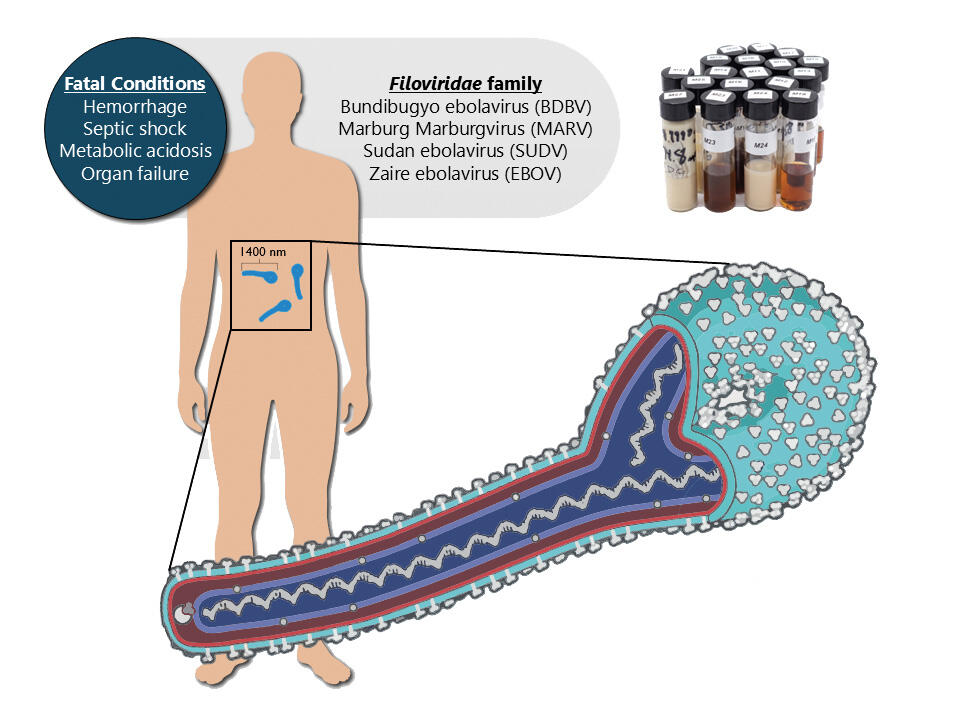
SwRI has identified nearly two dozen antiviral candidates to screen against the Bundibugyo species of the Ebola virus, part of the Filoviridae family illustrated. These deadly hemorrhagic fever viruses cause bleeding, septic shock, metabolic acidosis and organ failure over the course of infection.
Recent advances in artificial intelligence have enabled SwRI to identify nearly two dozen antiviral compounds that could potentially treat Bundibugyo, a rare species of Ebola virus, currently affecting the Democratic Republic of Congo.
According to the World Health Organization, 516 suspected cases and 33 confirmed cases of the disease caused by the Bundibugyo Ebolavirus have resulted in as many as 133 deaths. Bundibugyo virus, named for a region in Uganda where the species was first identified in 2007, kills up to 40% of infected people.
“We stand ready to support the biomedical community with rapid research and development of antiviral drugs as global health professionals respond to the latest outbreak,” said Dr. Jonathan Bohmann, lead developer of SwRI’s Rhodium™ molecular docking software designed to virtually screen drug compounds. “Our AI and machine learning tools help to quickly identify drug candidates that are the most likely to work in not only a high-value biocontainment environment but also in the human body.”
The SwRI research is part of a decade-long collaboration with the Texas Biomedical Research Institute (Texas Biomed) where SwRI designs and formulates candidate vaccines and antivirals that Texas Biomed tests on live viruses in its state-of-the-art Biosafety Level 4 Laboratory.
The Ebola virus is rare with occasional outbreaks in equatorial Africa often linked to native fruit bats. SwRI and Texas Biomed began collaborating on Ebola virus research in 2016 with a contract award from the Defense Threat Reduction Agency.
For more information, visit Structure-Based Drug Design.
Deep-Sea Labs Upgraded
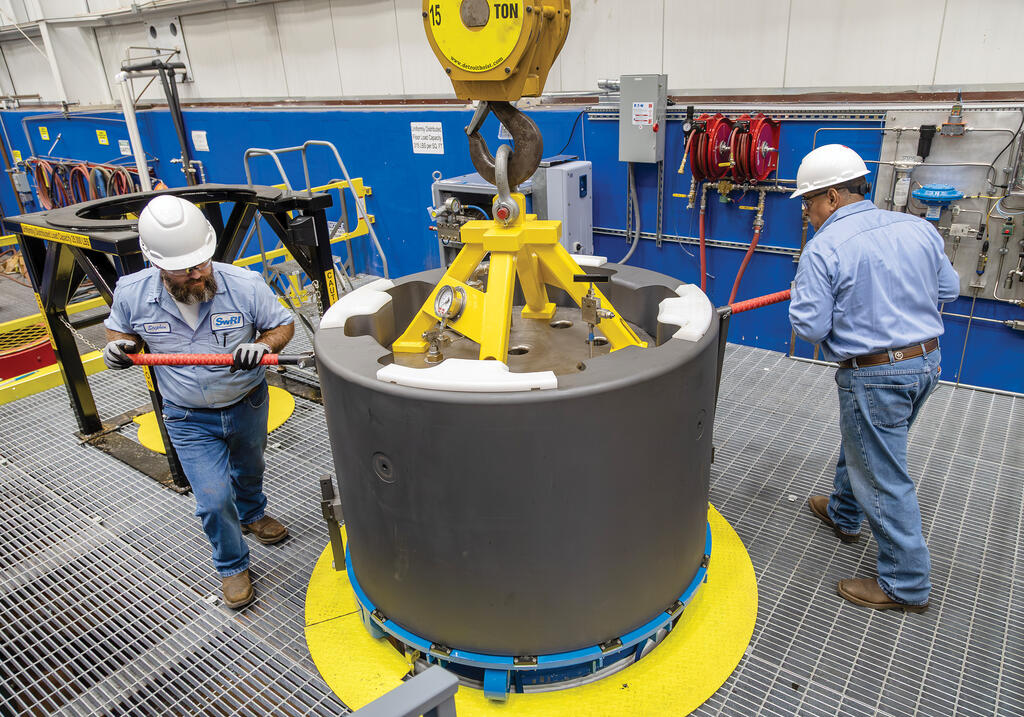
SwRI’s new 30-inch pressure vessel accommodates testing at pressures up to 16,500 psig, simulating the deepest ocean regions. It takes roughly two minutes to open or close, compared to the 30-45 minutes required by similar vessels.
In SwRI’s Ocean Simulation Laboratories, a new 30-inch diameter pressure vessel can simulate the pressure and conditions of full-ocean depth. It can also support the testing of larger equipment with quicker turnarounds between tests. The lab features a novel SwRI-designed quick-acting closure for improved safety.
SwRI has upgraded its Ocean Simulation Laboratories with a new 30-inch diameter pressure vessel. This new facility allows SwRI to test larger equipment at conditions that simulate full-ocean depth and features a novel SwRI-designed quick-acting closure.
Testing underwater equipment is necessary to ensure it can withstand the extreme conditions found at ocean depths, but conducting these tests in the ocean can be a lengthy, dangerous and costly process. SwRI has offered deep-ocean simulation testing services to the offshore oil and gas and marine industries for more than 60 years in its 18,000-square-foot Ocean Simulation Laboratories.
SwRI has expanded its already wide-ranging testing capabilities with a new 30-inch-diameter, 15-foot-deep pressure vessel. The cutting-edge vessel can test equipment and ocean vessels at up to 16,500 psig, simulating the pressures that equipment will experience in the deepest parts of the ocean.
“This pressure vessel offers several key advantages,” said Paul Garza, who manages SwRI’s Ocean Simulation Laboratories. “While other chambers take 30 to 45 minutes to open or close, SwRI’s new design slashes that time to roughly two minutes. This allows for a much quicker turnaround between tests.”
SwRI’s vessel closure design makes misalignment, a common issue that can compromise safety, essentially impossible. The closure also has modular pass-throughs for electrical and other connections to items under test, which makes reconfiguration, replacement and maintenance of those parts much easier and faster.
“We’ve seen quick-acting closures before but never for vessels of this size that operate at such high pressures,” said Kyle Robinson, who led the vessel design. “The vessel is designed for safety and durability. Our fatigue calculations show that it will be 20 years before it’s necessary to inspect for cracks.”
For more information, visit Ocean Simulation Lab.
New Version of NPSS® Software Released
SwRI, on behalf of the Numerical Propulsion System Simulation (NPSS®) Consortium, has released a new version of the NPSS software, the industry-leading aerospace software package for simulating and designing propulsion systems. NPSS 3.3 adds new functionalities, data types and communication interfaces that provide improved flexibility and software compatibility while reducing model and component development times.
NPSS allows the aerospace industry to model turbomachinery, air-breathing propulsion systems, liquid rocket engines, engine control systems, and systems integration. It also supports modeling for refrigeration cycles, multi-phase heat transfer systems, vehicle emission analyses, supercritical carbon dioxide (sCO2) power cycles, and more.
NPSS was developed in the 1990s by NASA’s Glenn Research Center. Since 2013, SwRI has managed the NPSS Consortium to support the user community with new software capabilities, improved usability, and technical support. NPSS supports numerous applications ranging from creating new engine models to developing digital twin models of spacecraft. Beyond aerospace applications, NPSS has been used to simulate solar power systems, industrial gas turbines and hybrid electric systems.
Key features of NPSS 3.3 include electric port support that allows users to model hybrid turbo-electric propulsion systems, including electric vertical takeoff and landing systems. Complex numerical functions enhance electric system modeling, allowing users to tackle hybrid propulsion problems more effectively.
“NPSS incorporates the Functional Mock-up Interface industry standard, allowing NPSS to interface with other engineering tools,” said SwRI’s Griffin Beck, who oversees the NPSS consortium. “For example, a gas turbine performance model created in NPSS can now communicate with an external engine control model, enabling co-simulations that combine performance and external control models at the same time.”
NPSS 3.3 features a foreign function interface (FFI) to allow integration with specific external functions rather than full software packages.
“The FFI provides users with greater flexibility and enables more detailed modeling,” Beck explained.
For more information, visit Numerical Propulsion System Simulation.
New Clinical Supply Facility
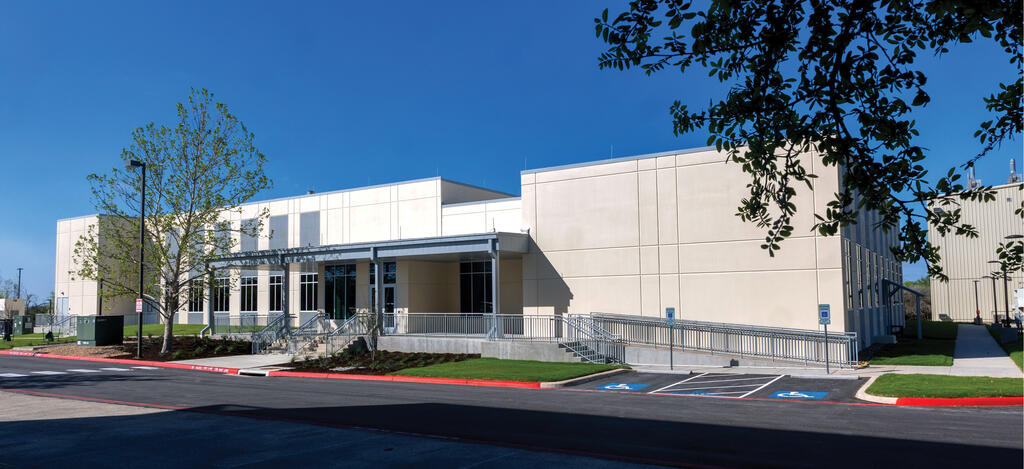
SwRI celebrated the grand opening of its new Clinical Supply Facility (CSF). The 21,000-square-foot laboratory adds dedicated suites and HEPA filtered clean rooms to support pharmaceutical development and bioengineering research, particularly in advanced clinical supplies. The facility expands SwRI’s capability to conduct “Fill Finish” for capsules, sachets, tablets and other advanced formulations for all routes of administration. The facility will facilitate the production of active pharmaceutical ingredients, formulated products, and biologics or cell-based materials such as in vitro generated stem cells and vaccine components.
“By expanding our biomedical footprint, SwRI reinforces our role as a leader in pharmaceutical development and bioengineering in San Antonio’s dynamic biomedical community,” said Darrel Johnston, director of Pharmaceuticals and Bioengineering at SwRI. “This means faster access to clinical supplies for startups, universities and biotech companies not only in our local community but nationally and globally as well.”
The facility will streamline workflows to support everything from regenerative medicine to vaccines, small-molecule therapeutics and treatments for rare diseases. Goals for the new CSF include improved regulatory efficiency, refined quality systems and increased communication between scientists for faster turnaround times. The CSF will reduce physical bottlenecks by serving as a one-stop shop for clinical supplies. It will include 4,200 square feet of ISO-rated production space along with 2,700 square feet of analytical support laboratories.
“Advancing a drug substance or drug product into clinical trials requires scalable, reproducible processes, rigorous analytical control and strict Current Good Manufacturing Practices (CGMP) compliance. The biggest challenge is maintaining quality and momentum as programs transition from research to regulated manufacturing,” said Dr. Joe McDonough, vice president of Chemistry and Chemical Engineering at SwRI. “By integrating CGMP suites, clean rooms and analytical labs into a single, purpose-built space, we can not only help our clients overcome those challenges, but we can also speed up processes and improve quality.”
For more information, visit Pharmaceutical Development or Biochemistry & Bioengineering.