


Background
The transportation segment is responsible for one-third of US greenhouse gas emissions. Hydrocarbon fuels, due to their energy density and efficiency, will continue to dominate transportation for the foreseeable future. Powertrain electrification is making progress but due to the lack of infrastructure growth, heavy-duty transportation sectors such as trucking, shipping, or aviation will continue to rely on liquid hydrocarbons. The environmental and economic impacts of fossil fuel-based hydrocarbons have led to significant advancement in the development of more efficient engines and cleaner fuels. With multiple options for low-carbon or renewable hydrocarbon fuels on the market, OEMs are looking for ways to develop engines capable of using and adapting to multiple fuels at the same time. Conventional and alternative (clean) fuels can greatly differ in their fuel properties which can lead to different engine performance and criteria pollutant emissions. Therefore, the ability to identify the fuel and adapt the engine operating strategy is of high interest. This project aims to develop such methods.
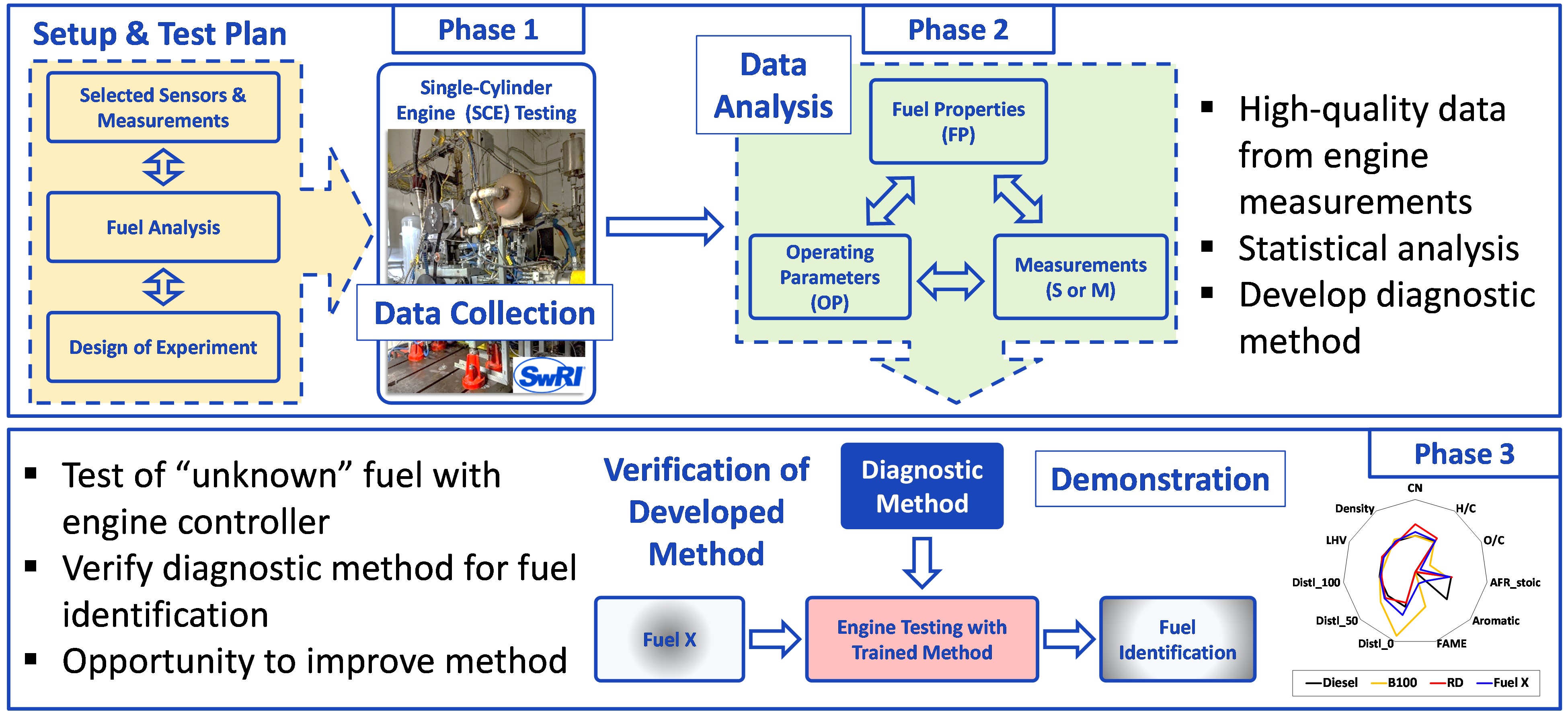
Figure 1: Schematic of Overall Technical Approach
Approach
The technical approach in this project is described visually in Figure 1, including three phases. The first phase was to conduct extensive engine testing of a comprehensive list of fuels, including diesel, biodiesel, renewable diesel, jet fuels, and methanol. Very detailed measurements of combustion, gaseous, and solid emissions were collected. The second phase focuses on data analysis and the development of a statistical model that can classify the fuels, therefore providing the capability to predict the fuel class using potentially only existing or inexpensive on-board measurements. Finally, the project demonstrates a fuel verification process and offers suggestions for the future development of several aspects related to fuel diagnostics.
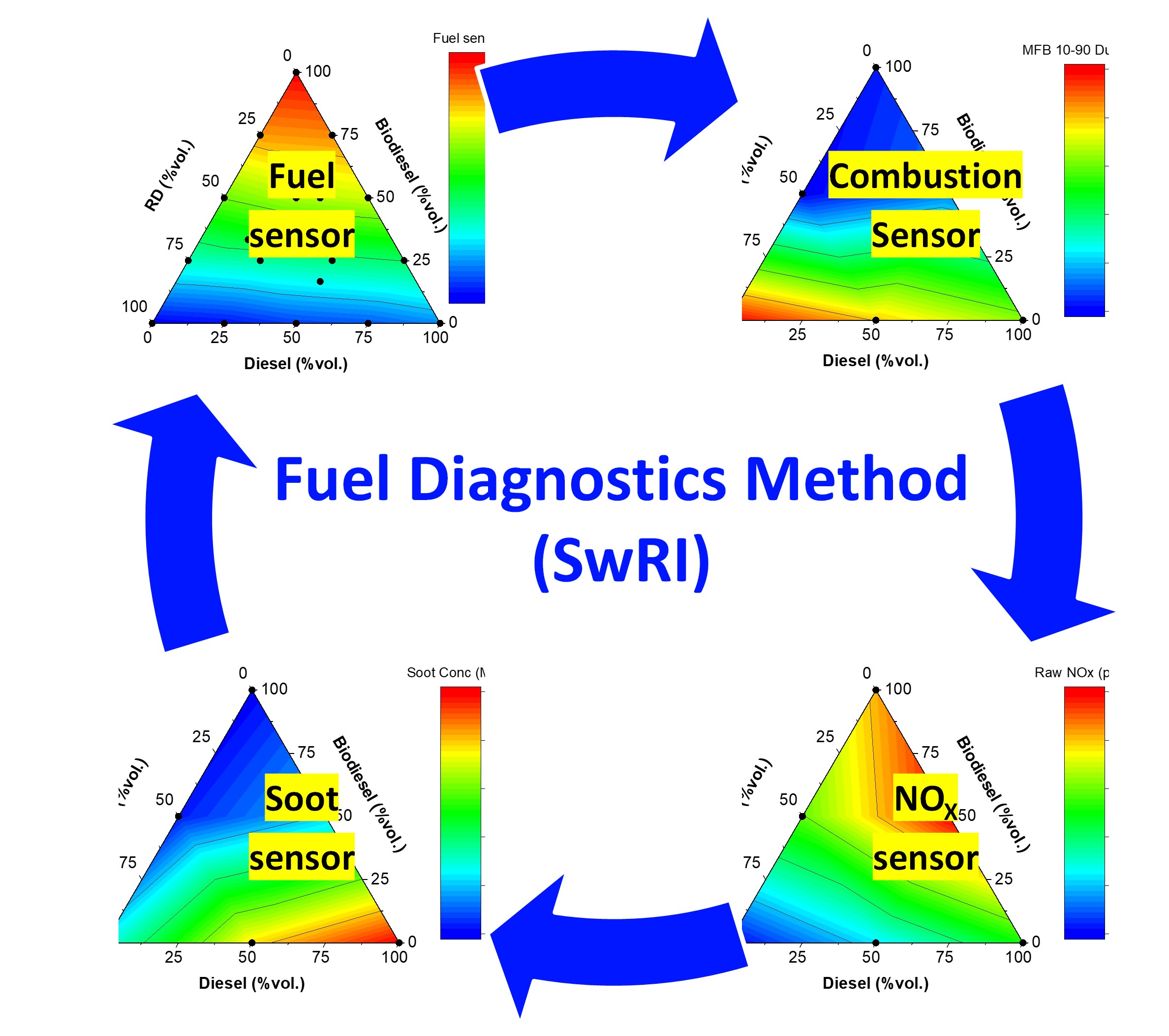
Figure 2: Schematic of Overall Technical Approach
Accomplishments
Several methods were established and identified successfully by analyzing the collected test data using statistical models. The neural network was also applied successfully in one of the on-board measurements to improve the uncertainty of the measurement, therefore providing important data for the diagnostic process. While fundamental fuel properties, engine operating conditions, and measurements were discovered to be most important for the diagnostics process of the fuel, results from this project allow for a long-term perspective in improving emissions from engines independent of fuel characteristics, therefore allowing for the development of a more sustainable fuel mix.