


Background
In response to DARPA’s Symbiotic Design for Cyber Physical Systems goals, SwRI developed a design-focused simulation toolchain for the rapid virtual design of electric/hybrid powered aircraft, capable of vertical takeoff and landing (VTOL). SwRI created a collection of parts, including batteries, motors, propellers, wings, and body parts that are commercially available and a flight dynamic modeling environment to assess performance of the aircraft assembled from those parts. This work aims to verify and provide evidence that the simulation is realistic and accurate.
Approach
Our approach is to use our existing parts corpus and simulation toolchain to create digital unmanned aerial vehicles (UAVs), which will be compared to their physical equivalents in both form and performance. The digital/physical comparison will be performed at the component and system level, including experimental testing using an institute-owned wind tunnel. The goal is to quantify the accuracy of unknown-quality supplier provided performance data and computational simplifications within our aircraft property calculations. Ultimately, we plan to learn the limitations of our flight dynamics model and toolchain and uncover needed areas for future development.
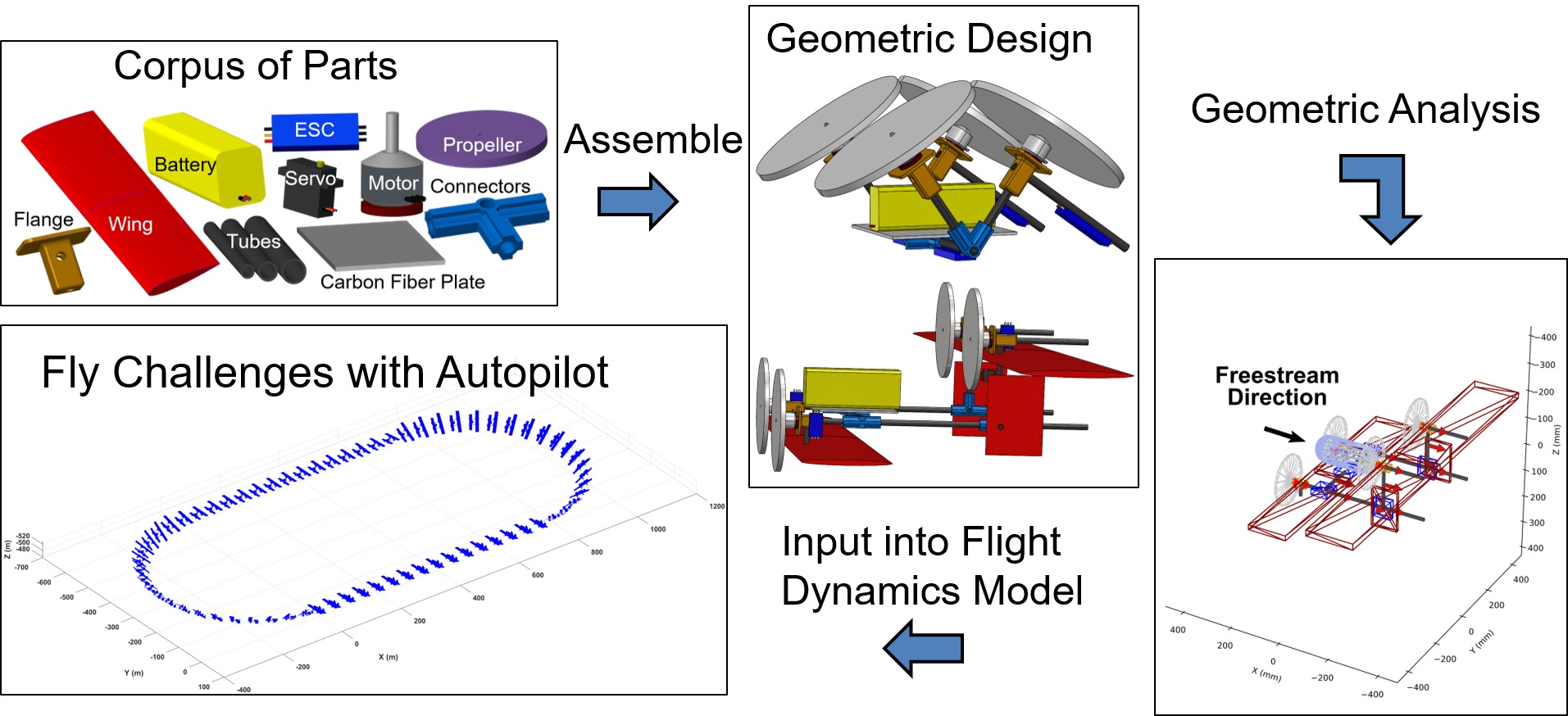
Figure 1: Previously developed virtual design, assembly and simulation toolchain.
Accomplishments
An institute-owned subsonic wind tunnel has been restored to functional and a test article mounting and measuring system designed and assembled. Propulsion packs made from corpus parts have been tested in the wind tunnel and compared to manufacturer provided performance data. A commercially available UAV has been digitally modeled, incorporated into the toolchain, and physically tested in the wind tunnel. Flight testing is ongoing to compare to digitally simulated flights in the flight dynamics model. A corpus-designed UAV has been built and evaluated in the wind tunnel. The first round of comparison has been made between experimental data and simulated data, which will inform the next round of upcoming tests. Current levels of agreement are reasonable, and a list of potential improvements to the toolchain is being compiled. With a six-month extension received, the project is slated to continue until early 2025.