


Background
Significant advancements in electric vehicle (EV) battery technology have led to the trend of using larger and higher-capacity batteries (see Figure 1.) This trend aims to address range anxiety and enhance vehicle performance. Due to their design, these larger batteries have a reduced internal resistance, which is the opposition a battery has to current flow. This reduction is a result of increased pathways for both current and ion flow within the battery.
A lithium-ion battery's impedance is a combination of physical resistance from components like electrodes and separators and electrochemical impedance. The electrochemical processes that contribute to impedance include charge transfer resistance at the electrode-electrolyte interface and the diffusion impedance of Li-ions. Accurately characterizing these low-impedance batteries presents a unique challenge, as they require substantial electrical currents and a large power source. Additionally, components like bus bars, cables, and welding interfaces further affect impedance values and make it difficult to precisely measure the battery's true internal resistance. Therefore, innovative testing and analytical methods are clearly needed for sub-milliohm batteries to enable a deeper understanding of battery performance, help optimize charging strategies, and improve the reliability and longevity of EVs.
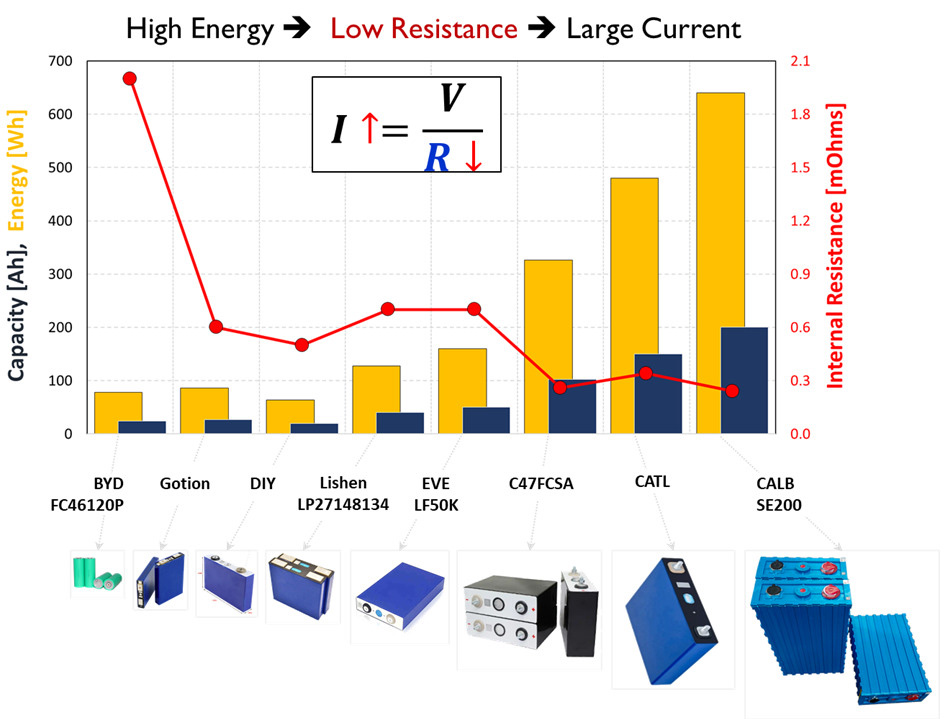
Figure 1: Energy and internal resistance relation for lithium-ion batteries.
Approach
The overall project objective was the accurate and reliable measurement of LIB impedance. Test articles included single cells, modules, and battery packs (see Figure 2.) At the cell level, the approach combined experimental and modeling techniques. Experimental analysis included both time domain (internal resistance) and frequency domain techniques (electrochemical impedance spectroscopy, also known as EIS). The relationship between frequency and time domain results was investigated using equivalent circuit models. At the module level, the resistance variation between individual cells and the module was analyzed to investigate the contributions from connections and busbars.
Additional testing investigated the preloading effect on long-term aging and impedance variation. At the battery pack level, a novel approach based on arbitrary and purposely selected pulses was proposed and implemented to estimate the battery pack impedance.
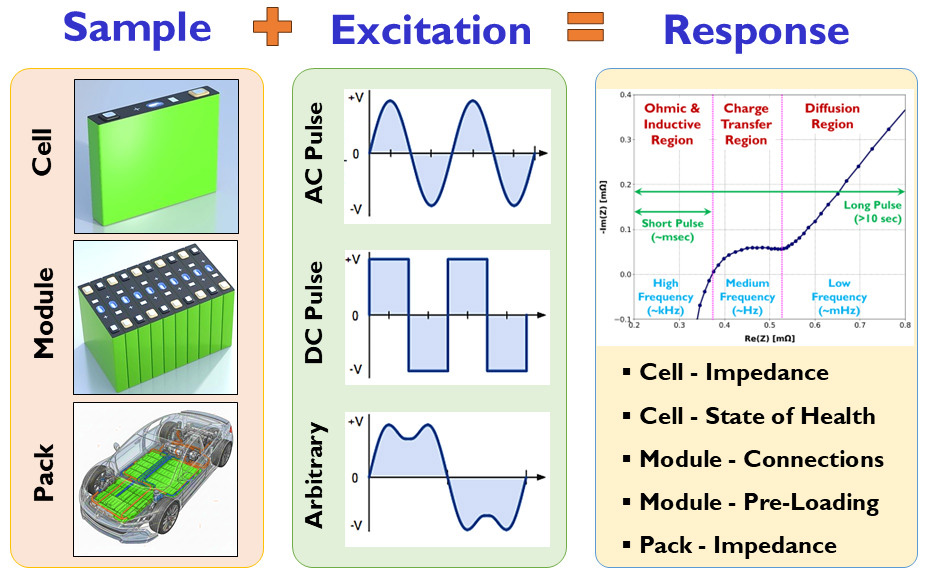
Figure 2: Overview of the project approach.
Accomplishments
This research has highlighted the importance of optimizing various cell metrics to improve the performance of larger batteries in EVs. Accurate estimation of internal resistance is essential for effective battery state of health monitoring. Evaluation of direct and alternating current (DC and AC) pulse methods covered various cell formats, chemistries, terminal designs, and sizes. Comprehensive testing with various established methods and innovative ramp-based techniques revealed that longer pulse durations provide deeper insights into large impedance variations between cells. The study also highlighted the importance of cell connection variability on measurement accuracy, emphasizing the need for high-quality cell holders, busbars, and proper training of laboratory staff to follow setup and test procedures accurately.
A novel state-of-health (SOH) estimation method showed promising results in predicting impedance without the need for specialized equipment. Reliable measurement and estimation of battery parameters (individual cells or assemblies) were analyzed at three levels: (a) equipment, installation/assembly, and procedure, (b) shape and duration of the excitation waveforms, and (c) analysis of the test data.
Technical Presentations (symposiums, conferences)
Daniel Juarez Robles, “Calendar and Cycle Life Aging Analysis using Pseudo-EIS”, 24th Annual Advanced Automotive Battery Conference 2024 (AABC2024), Las Vegas, NV, December 12, 2024.
Patents
Invention Disclosure, “Method and Apparatus to Provide an Equivalent Circuit Model and State-of-Health of a Battery”, SwRI ID 4321, SWR4321P, 07/28/2025, Jayant Sarlashkar, Daniel Juarez Robles, Andre Swarts, Piyush Bhagdikar, Sandesh Rao.