


Background
For the upcoming GF-8 gasoline engine oil specification, a new fuel economy test is needed, as there are not enough of the 2012 Chevrolet Malibu engines left in storage to sustain the VIE and VIF tests throughout the life of GF-8. The API (American Petroleum Institute) was unable to convince an automaker to sponsor a test, so this left the task of developing the next test upon the labs that run it.
The VIE test users are not happy with the VIE and VIF test, as the engine’s useful life in the test was too short. Only three VIE tests could be conducted before the engine must be retired due to lack of fuel economy response to improved oils. This is in stark contrast to the previous version of the test, the VID, which typically allowed more than ten tests and did not have a fixed life limit.
Approach
SwRI worked to rebuild the used VIE engines using best practices learned while building other engines. We also identified wear on two critical components of the retired VIE engines, one being the moly-filled piston rings, the other being the piston bores, which were worn by the rings. We ultimately used a different honing process on the blocks when machining them for the larger pistons installed during the rebuild. We also identified an alternate piston ring that had a traditional, barrel faced design. The alternate ring also had slightly higher tension of the oil control ring, which improves our ability to measure the fuel economy improvement due to improved oils. We also selected crankshaft and connecting rod bearings that did not have an anti-friction coating for the same reason.
A non-technical but necessary part of the project was finding sources for engine parts needed to rebuild hundreds of these engines.
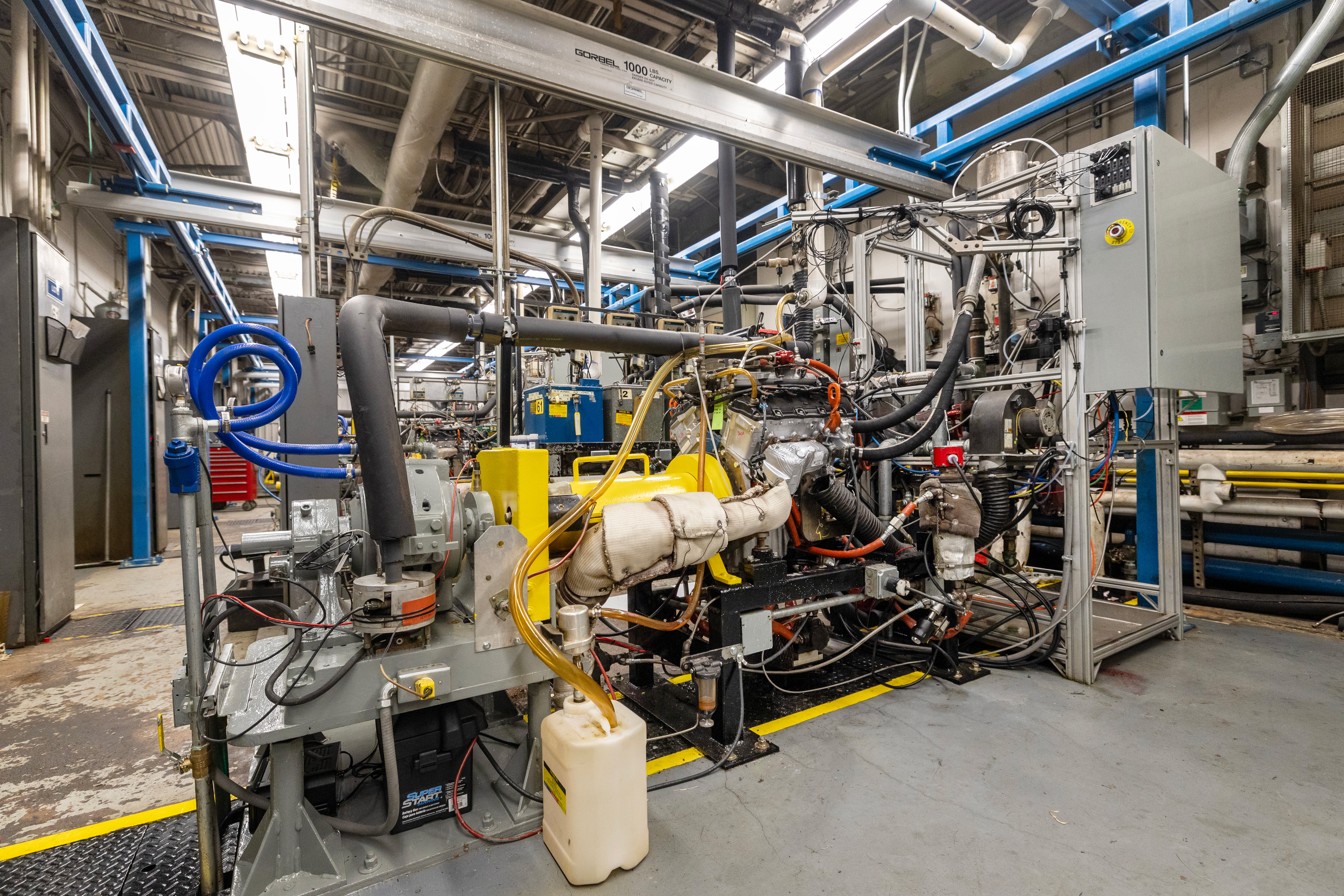
Figure 1: Typical Sequence VI test stand.
Accomplishments
The project was successful. SwRI proved that the engine could be rebuilt and produce good, stable results for thirteen tests, a great improvement from the four tests allowed earlier. The fuel economy response was very stable throughout thirteen tests. There was a valve train failure in run fourteen.
Presentations
This work has been presented at API meetings held at the June ASTM meeting in Kansas City. This information is also presented to customers as part of normal technical updates.
Resulting Project Work
This project enables SwRI to be successful with capturing testing for the GF-8 specification. Client testing will likely begin in 2026 and continue for several years thereafter.