


Background
The nature of planets between the sizes of Earth and Neptune is a mystery, yet they are the most common size of planet in the Galaxy. Some have proposed that these sub-Neptunes could be massive waterworlds that might be habitable. Others have suggested that they are large rocky worlds with thick atmospheres and smoldering surfaces. Transmission spectroscopy data from the James Webb Space Telescope (JWST) provides a new window into these enigmatic planets. In this project, we used JWST data on TOI-270 d, a nearby sub-Neptune, to illuminate the nature of its interior and gain general insights into sub-Neptunes.
Approach
We developed two geochemical models to interpret the composition of TOI-270 d’s atmosphere. In the first model, we used the observed abundances of CO2, CH4, and H2O to constrain the conditions of chemical equilibrium in the deeper atmosphere. We found that these molecules probably came from an environment at temperatures between 900 and 1100 K. This finding supports the “gassy hot rock” scenario for sub-Neptunes. Our second model tested different mixtures of rocky building blocks and nebular gas to explain how TOI-270 d could have formed. We found that the observed atmospheric composition is consistent with this planet forming out of chondrites, the most common solid building blocks in the solar system. Our first model was a thermodynamic model, and the second was a mixing model.
Accomplishments
We succeeded in deepening our understanding of TOI-270 d’s inner nature. Specifically, we developed a new vision of the present state and history of this planet (Figure 1). Our work was published in the Astrophysical Journal in 2025 (https://doi.org/10.3847/1538-4357/adced4) and was accompanied by a press release from SwRI. The reception was very positive. Novel modeling tools were developed that may create demand for our expertise in this burgeoning field. In fact, this project also led to immediate follow up work led by Prof. Xinting Yu from UTSA, who collaborated with Christopher Glein. They applied some of the methodology pioneered by Dr. Glein to a dozen more exoplanets with JWST transmission spectra. As of October 2025, a second paper has been written and will be submitted to a leading journal within weeks.
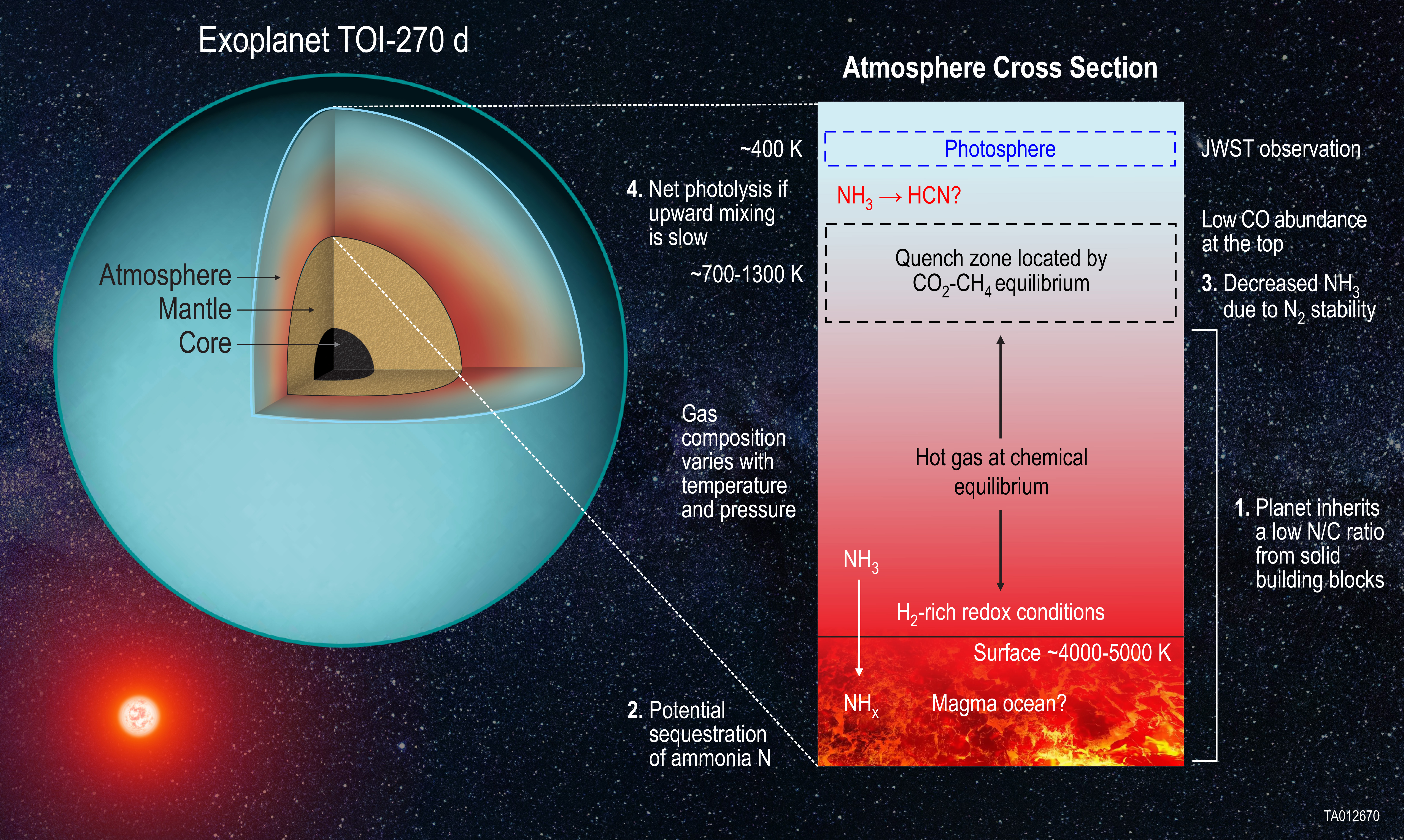
Figure 1: A Grand Synthesis of the Geochemistry of a Sub-Neptune Exoplanet.
Publications
Glein, C.R., Yu, X., Luu, C.N., Deciphering sub-Neptune atmospheres: New insights from geochemical models of TOI-270 d, The Astrophysical Journal, 985, 187, https://doi.org/10.3847/1538-4357/adced4, 2025.
Resulting Project Work
A NASA Exoplanets proposal is in preparation for FY26.