


Background
The Machinery Department has grown in both personnel and project scope, which now includes the occasional design, build, and delivery of custom test apparatus. These test systems require accompanying data acquisition and control (DAC) software tools to operate. This IR&D effort undertook the development of a new toolset to bolster and significantly improve the Machinery Department’s ability to provide well-featured, reliable, and easy to deploy DAC codes for our clients. Additionally, the ease of deployment and flexibility of this new software will also improve our ability to bring smaller on-campus test systems online, increasing project execution efficiency.
Approach
At the outset of the project, on-campus stakeholders were solicited for input on a feature set for a new DAC tool to serve on-campus and off-campus implementations. This feedback was combined with external client feature requests into a finalized feature set. A LabVIEW code architecture was then designed to include these features in a structure that was simple, easy to read, and robust enough for reliable performance and easy deployment. Code modules were produced and tested in LabVIEW based on functional groups identified as part of the design phase. Full implementation testing of the tool is being conducted on active, externally funded projects to allow for adaptation to specific project needs.
Accomplishments
As of August 2025, this effort has been completed, and the resulting Quick DAC (QDAC) tool is being deployed on current machinery Department projects. The QDAC achieves high deployability by concentrating nearly all customization features to a set of configuration spreadsheets, minimizing the need to interact with LabVIEW source code to deploy a system. The QDAC is also built with robust and simple architecture, highlighted in Figure 1, that makes it easier to read when source code editing is required. Despite this simplicity, the QDAC is still able to support advanced features, such as closed-loop control, that can be developed and implemented as needed by externally funded projects. Figure 2 outlines the internal code dataflow that allows for this.
The combination of simplicity, features, and internally funded development in the QDAC make it an excellent tool for quickly deploying data acquisition and control systems on campus and for open-source distribution to clients off campus.
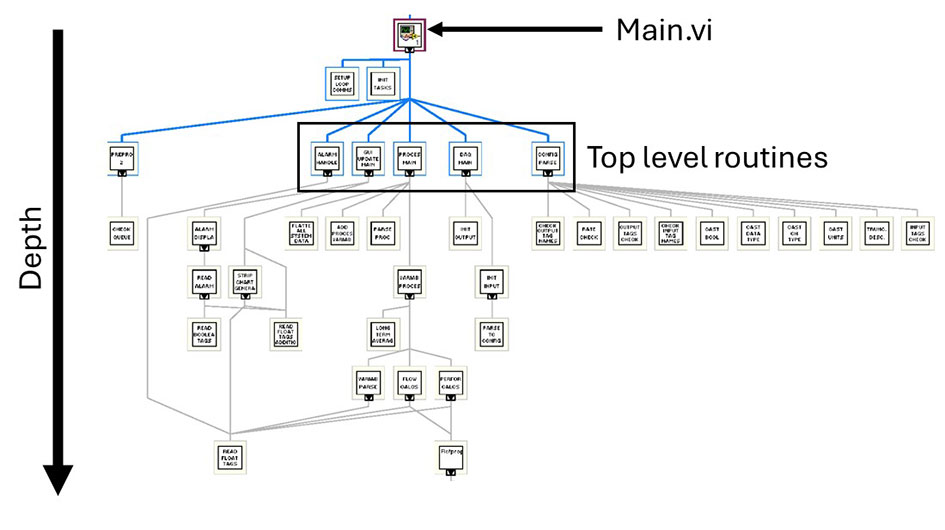
Figure 1: QDAC Hierarchy with Six primary VIs and Seven Primary Levels
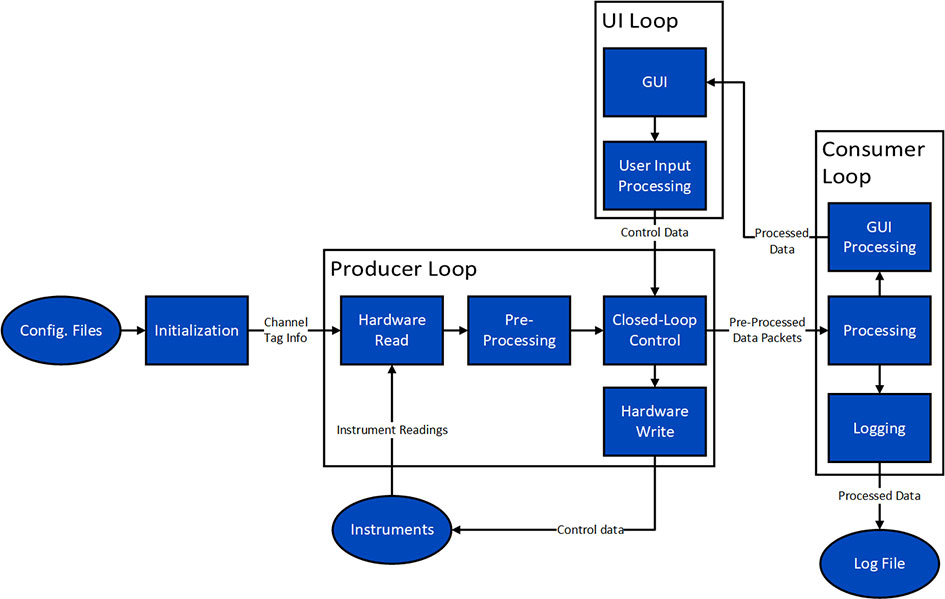
Figure 2: QDAC Data Flow Diagram with Closed-Loop Control Node