


Background
ViDomin is an optical dazzler/anti-dazzler system that allows a team of soldiers, law enforcement officers, or infrastructure security personnel to deny situational awareness to potential adversaries, while maintaining visual acuity within their operational team. Strobing lights disrupt an individual’s ability to navigate and perform tasks, however strobed dazzlers have not often been adopted in the tactical world since they can have a negative impact beyond the intended target. ViDomin addresses this concern by developing synchronized viewing optics that work in tandem with a strobing light source to block the dazzler strobes for the viewer. Furthermore, the ViDomin synchronization approach cannot be detected or spoofed, and the hardware is designed to work with a wide range of existing light sources and viewing optics.
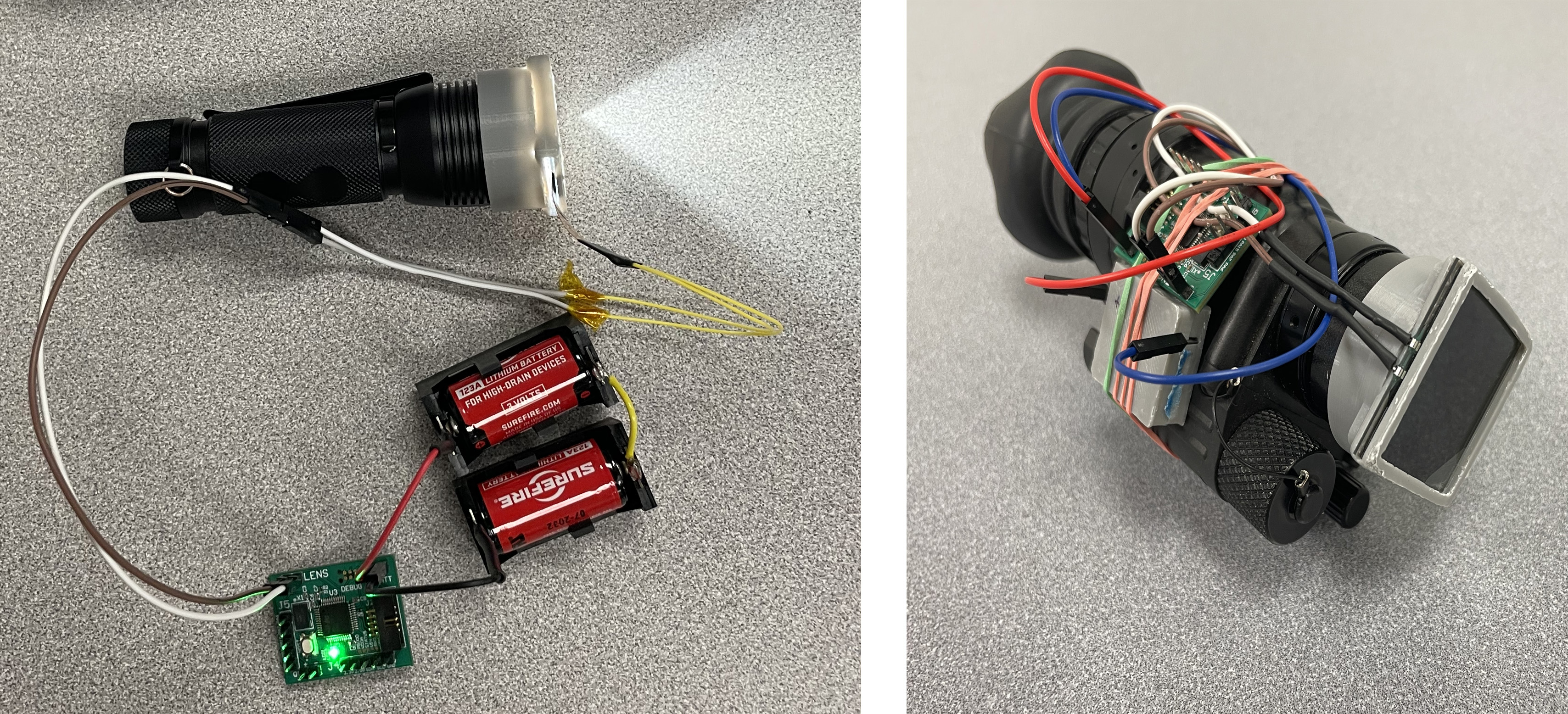
Figure 1. Concept demonstration hardware of a strobing flashlight dazzler (left) and synchronized anti-dazzling cover for a night vision scope (right).
Approach
ViDomin employs Liquid Crystal Light Valves (LCLVs) to produce a strobed dazzling effect from a light source and to block the strobe in a viewing optic to prevent dazzling. Alternatively, the LCLVs could be fabricated into direct viewing glasses for a similar effect. To act as a block, the anti-dazzler LCLVs are operated out-of-phase to the dazzler LCLVs, only blocking light when the strobe is emitting. The design employs an open loop time sequencing approach using precision, low-drift oscillators that are initially synchronized through a docking station. This avoids the need for any communication between the devices allowing multiple dazzlers and anti-dazzlers to function together for several days, as long as each device’s clock is stable relative to the others. The design of ViDomin is a self-contained cap that slips over an existing flashlight, laser dazzler, night vision gear, or other viewing optic. This design limits the need for operators to carry additional equipment and employ existing assets.
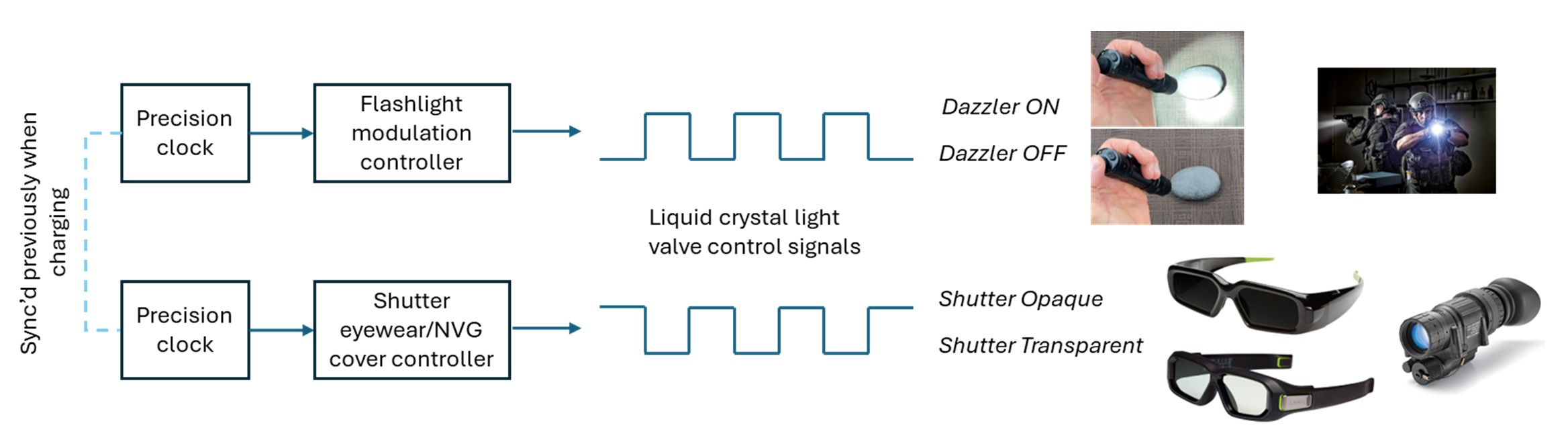
Figure 2. Concept illustration of ViDomin operation.
Figure 3. ViDomin demonstration hardware video.
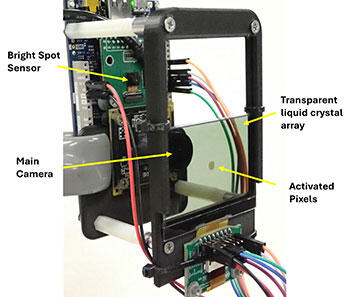
Figure 4. Demonstration hardware for DLMENV showing it blocking a bright spot in the field of view.
During the execution of this project, we formulated a related application called Dynamic Light Management for Enhanced Night Vision (DLMENV). Traditional low-light and night-vision devices are designed to be highly sensitive to ambient light. However, this makes them suspectable to over-saturation from intense discrete light sources such as streetlights or vehicle headlights. The DLMEVN comprises an array of LCLV elements placed at the front of a night vision device to selectively block only the portion of the field of view containing the high intensity light source. An integrated image sensor provides for detection of the light source location. As with ViDomin, DLMENV is intended to be a standalone cap that is operated independently of night vision equipment or other EO devices.
Accomplishments
ViDomin achieved its primary goal of investigating practical light valve and time synchronization technologies, which are key enablers for developing practical strobing dazzler/anti-dazzler systems. During this project, we evaluated a range of LCLV materials and different approaches for synchronous clocking including chip-scale atomic clocks. We developed hardware that demonstrates synchronized strobing of a flashlight and blocking the strobes on a night vision scope which could maintain open loop synchronization over a 48-hour period. We further develop demonstration hardware for the DLMENV concept demonstrating its viability.
Figure 5. DLMENV demonstration hardware video.