


Click below to jump to an article of interest.
Advancing Novel Hydrogen Engines
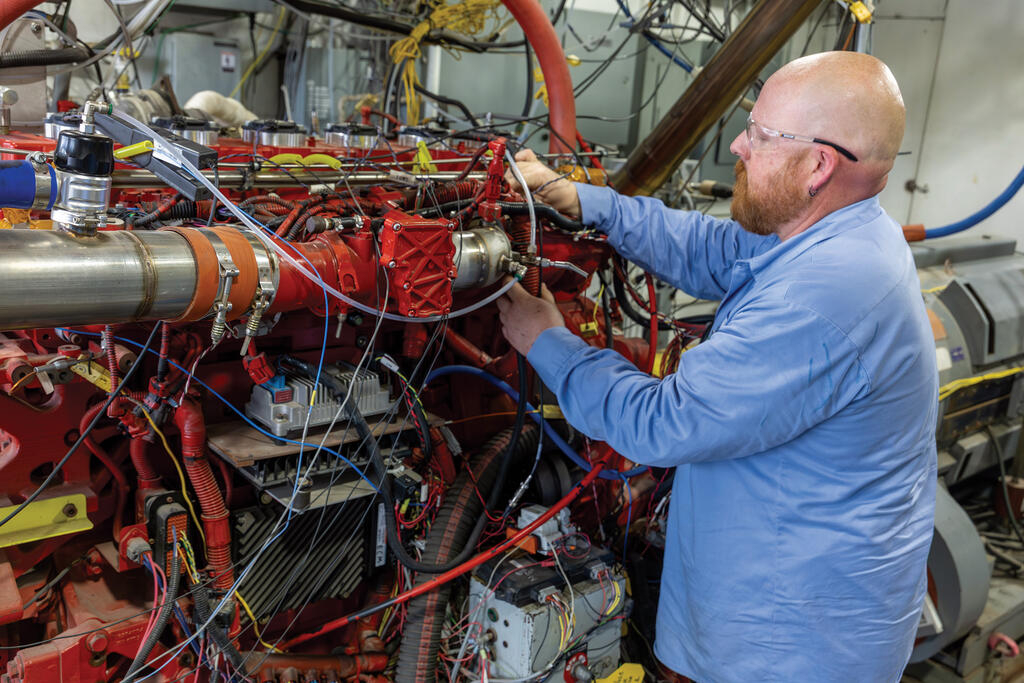
SwRI has modified and successfully demonstrated a heavy-duty natural gas-fueled engine to run on 100% hydrogen fuel and continues to research, design and innovate H2-ICE technology. SwRI’s multidisciplinary hydrogen energy research team uses the engine to explore decarbonization technologies across a broad spectrum of industries.
SwRI has upgraded its hydrogen-powered heavy-duty internal combustion engine (H2-ICE) with a state-of-the-art turbocharger and developed a reliable testing methodology to study stochastic pre-ignition (SPI) in H2-ICEs.
In 2023, SwRI converted a traditional natural-gas-fueled internal combustion engine to run solely on hydrogen fuel with minimal modifications, which was integrated into a Class-8 truck. Developed through SwRI’s Hydrogen Internal Combustion Engine consortium, the H2-ICE demonstration vehicle offers the long-haul trucking market a zero-greenhouse-gas option.
Turbocharging
SwRI created specifications for a new turbocharger unit to improve the H2-ICE truck’s already solid performance, increasing peak torque from 1,494 to 1,760 foot-pound (ft·lb) and peak power from 370 to 440 hp.
“Upgrading to a mechanically driven turbocharger gave us the airflow needed to continue improving engine performance,” said Chris Bitsis, assistant director of SwRI’s Powertrain Systems Engineering Department. “For instance, in addition to the torque and horsepower gains, the engine’s peak efficiency was also improved to 44%, which is class leading for a spark-ignited engine. The torque and power ratings are comparable with diesel trucks focused on fuel economy currently on the road with the bonus of near-zero tailpipe emissions.”
Hydrogen engines often struggle to maintain the airflow needed during fast acceleration to eliminate pre-ignition and minimize NOx emissions. SwRI addressed this challenge by working with a commercial supplier that engineered the new turbocharger to SwRI’s specifications.
The turbocharger shaft is mechanically linked to the crankshaft through a variable drive, allowing it to provide the necessary boost pressure on demand.
Preignition Prediction
SwRI also recently developed a tool to identify and predict preignition challenges associated with hydrogen fuel and advanced clean engine technologies. When this abnormal combustion state is initiated, it can lead to knocking, which can be detrimental to engine performance and durability. Hydrogen’s low minimum ignition energy threshold combined with conditions conducive to lubricant droplet autoignition are believed to contribute to SPI in H2-ICEs.
“While H2-ICEs experience pre-ignition at higher frequencies than spark-ignited gasoline engines, these events are typically mild compared to the intense SPI events observed in gasoline engines, which can cause severe mechanical damage,” said Dr. Vickey Kalaskar, a lead engineer in SwRI’s Powertrain Systems Engineering Department. “Lubricant oil volatility and compression ratio are a driving influence for hydrogen-fueled pre-ignition events.”
Through this research, SwRI engineers developed new testing methods that provide insight into lubricant-initiated SPI in H2-ICEs while supporting further work, such as refining SPI quantification methods, exploring mitigation strategies and evaluating commercial lubricants. SwRI is also collaborating with the University of Texas at San Antonio to integrate machine learning and AI for real-time pre-ignition detection in H2-ICEs.
For more information, visit Hydrogen Powered Vehicles.
Making Power More Efficient, Cost-Effective
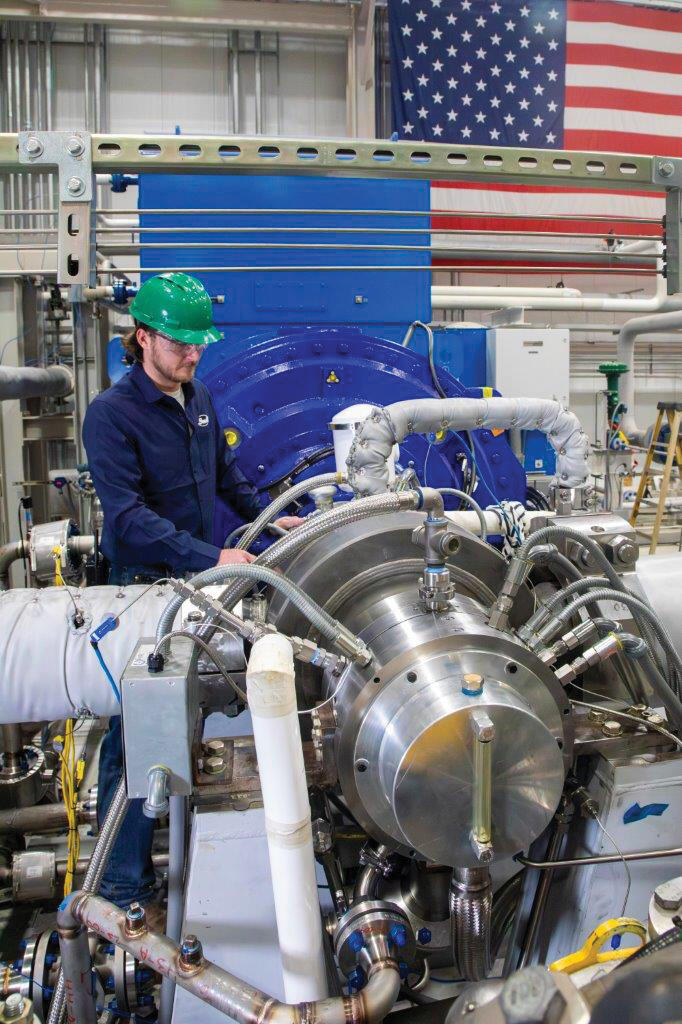
SwRI and 8 Rivers have patented a system that leverages fluctuations in energy demand by using liquid oxygen storage (LOX) to make power plants more cost-effective and efficient. The Institute modified a recently developed power cycle, the Allam-Fetvedt Cycle, which combusts fuel such as natural gas using an oxygen and carbon dioxide mixture. The system also allows complete carbon capture, minimizing greenhouse gas emissions.
The Allam-Fetvedt Cycle requires high-purity oxygen separated from air, which is mostly nitrogen with trace amounts of other gases. This energy-intense separation process consumes 10% of a power plant’s output.
“Our idea is to generate oxygen during off-peak hours, when electricity is less expensive because demand is lower,” said SwRI Institute Engineer Dr. Jeffrey Moore, one of the new system’s inventors. “The oxygen can then be stored in liquid form and converted back into gas for use when energy is in high demand. This boosts plant output while lowering operating costs.”
SwRI conducted a techno-economic analysis to ensure that a power plant using this technology would be profitable, modeling both plant performance and hour-by-hour costs over a full year. Studies by Princeton University and the National Renewable Energy Laboratory showed that current price volatility for electricity will continue to increase as more forms of renewable energy come online, indicating that the economic benefits of the application will persist or grow in the future.
“The data show that prices in some regions may stay low for weeks, then spike for long periods, depending on renewable penetration. Right now, the grid is about 10–15% renewables. If that rises to 30%, the problems associated with fluctuations in wind and solar energy production will be exacerbated, making energy storage critical for overall grid reliability,” Moore said. “Currently, there’s no large-scale energy storage system on the grid, although research is underway.”
For more information, visit Advanced Power Systems.
SwRI-Developed PaSTA Supports Spacecraft Docking
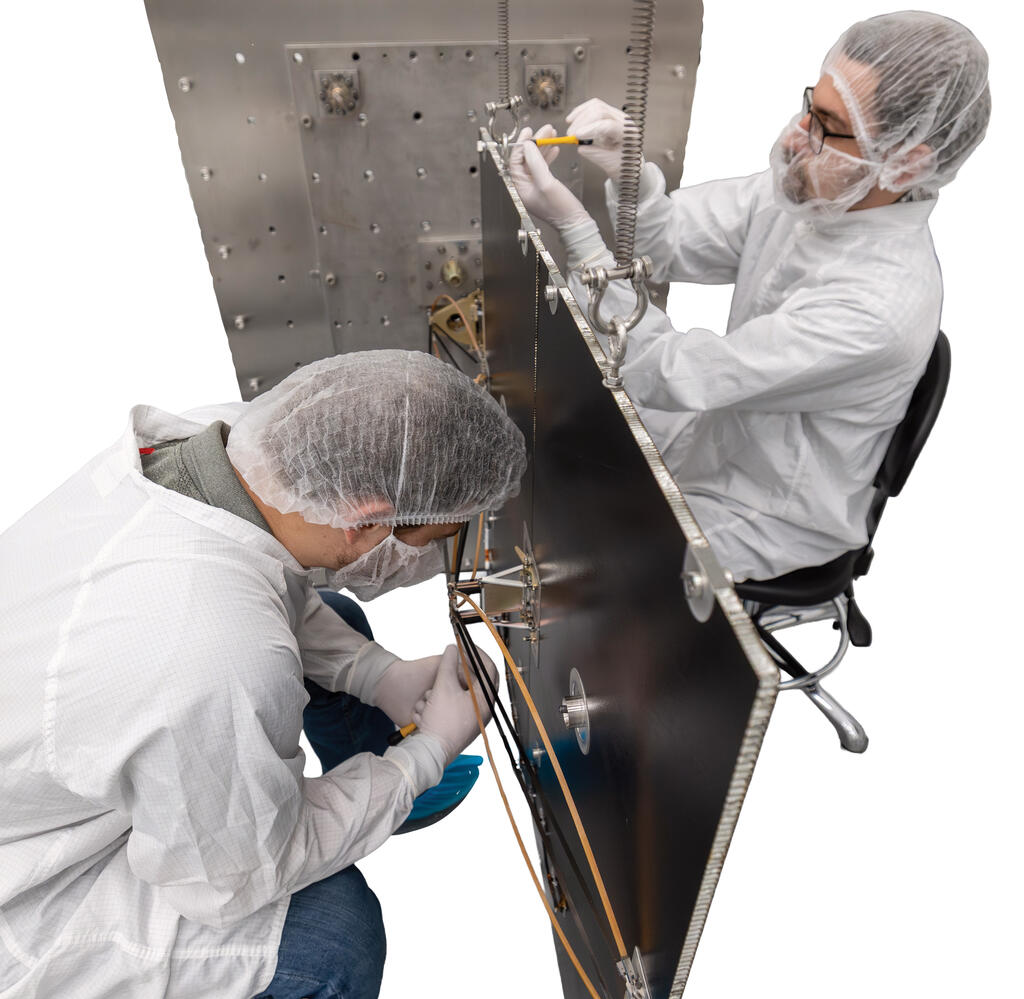
SwRI has developed technology to stiffen deployable structures on spacecraft to enable autonomous spacecraft docking operations. SwRI is currently integrating the Parallelogram Synchronized Truss Assembly (PaSTA) technology with solar arrays on the Astroscale U.S. Refueler spacecraft. The team is also designing two different deployable booms using PaSTA technology for another spacecraft SwRI is developing.
The Astroscale U.S. Provisioner™, a 300-kilogram spacecraft, will provide the first-ever on-orbit refueling operations above geostationary orbit for the United States Space Force (USSF). SwRI is building, integrating and testing the refueler. The precision pointing required to dock the refueler with other vehicles in space requires a stiffened solar array.
“The Provisioner does something that is difficult for spacecraft: autonomously docking with other spacecraft,” said Ryan Rickerson, manager of SwRI’s Deployable Structures Section and lead mechanical engineer for PaSTA. “That just isn’t possible with traditional solar array designs.”
PaSTA provides a structural backbone for the solar panels, which extend out four and a half feet from the spacecraft. On the other spacecraft, each array will extend 20 feet and collectively generate 5,000 watts of power for the spacecraft while enabling the same precision pointing as the smaller refueler spacecraft.
PaSTA uses a patented framework of interconnected elements in a truss structure to increase solar array stability and rigidity. As a result, the panels don’t bend. Instead, they are stretched or compressed along their length, something known as axial loading.
For more information, visit Space Engineering.
EV Charging Security Vulnerabilities

SwRI identified a security vulnerability in a standard protocol governing communications between electric vehicles (EV) and EV charging equipment. The research prompted the Cybersecurity & Infrastructure Security Agency (CISA) to issue a security advisory related to the ISO 15118 vehicle-to-grid communications standard.
Through internal research, a team of SwRI engineers spoofed signal measurements between an EV and EV supply equipment (EVSE), leading to a Common Vulnerabilities & Exposures (CVE) advisory.
“It’s important to note that this vulnerability comes from the requirements in an industry standard, meaning it can affect a variety of vehicle manufacturers,” said Mark Johnson, who led the research. “We hope this will encourage manufacturers to continue working to adopt ISO 15118-20 as well as public key infrastructure in the EV charging space to better protect consumers.”
The research explored vulnerabilities in the Signal Level Attenuation Characterization (SLAC) protocol when identifying the charging station a particular vehicle is connected to within a charger network. This process involves sending a signal from the vehicle to the chargers, which then respond with a measure of signal quality.
After identifying security deficiencies within the SLAC process, SwRI’s research team developed a machine-in-the-middle (MitM) attack to test if communications between vehicles and chargers could be compromised. The researchers successfully modeled the attack using simulators before replicating the attack between vehicles and charging stations.
Using the MitM device to tap into the appropriate line in the charger cable, the researchers injected signals that led to full control over the communications channel, demonstrating that the EV charging process could be manipulated or halted using the MitM attack.
SwRI’s High Reliability Systems Department performs a variety of cybersecurity services for the automotive industry, helping identify cyberthreats to ground vehicles, transportation infrastructure and automotive embedded systems.
For more information, visit Electric Vehicle Cybersecurity Services.
Bioreactor Replicates Versatile Stem Cells
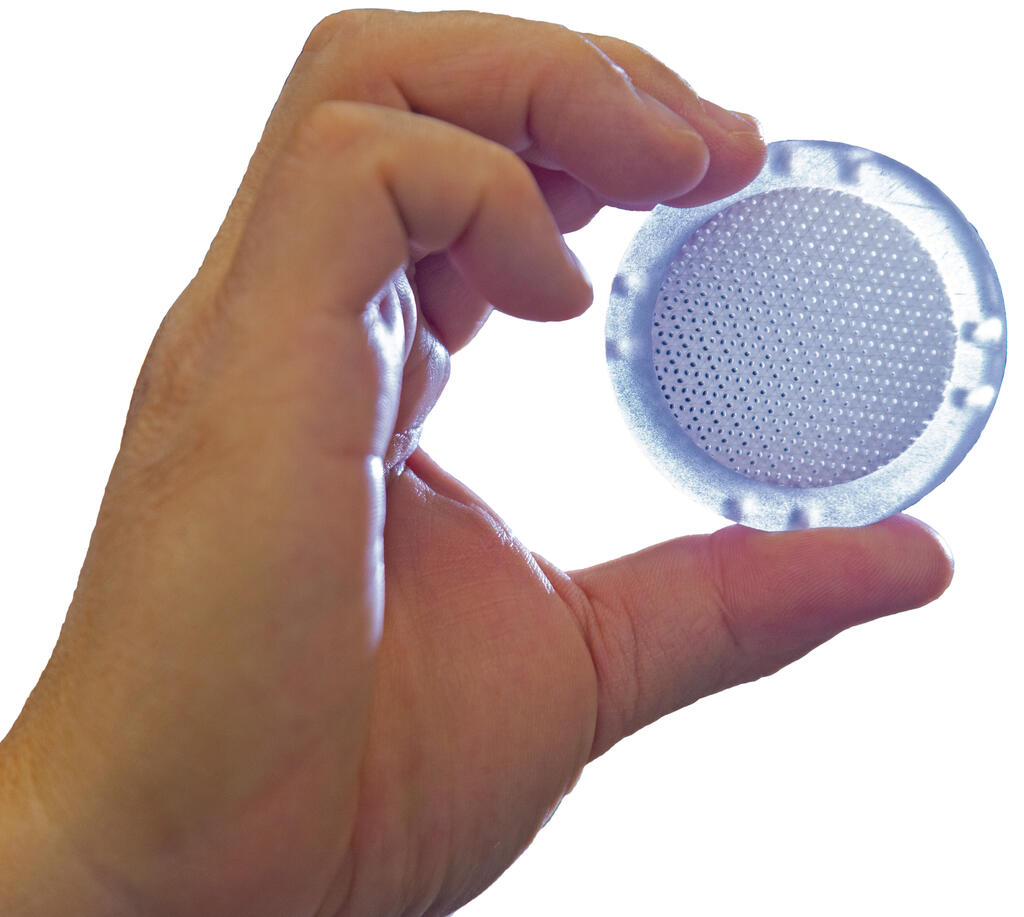
SwRI demonstrated its single-use 3D-printed bioreactor can produce induced Pluripotent Stem Cells (iPSCs), derived from adult skin, blood and other somatic cells. Useful for personalized medicine, iPSCs can differentiate into any other cell type in the body, offering an alternative to embryonic stem cells.
SwRI has demonstrated a new application for its cell-expansion bioreactor to advance tissue engineering and cell-based therapies for treatment of injuries and diseases.
SwRI scientists used the bioreactor to replicate induced Pluripotent Stem Cells (iPSCs) derived from adult skin, blood and other somatic cells. A pluripotent state allows iPSCs to differentiate into any other cell type in the body, much like embryonic stem cells but without their ethical ambiguity. Large quantities of iPSCs are needed for regenerative medicine and individualized health care, but current technology has challenges with scale-up production while maintaining iPSCs’ “stemness” properties.
“Using the SwRI-developed single-use 3D-printed bioreactor, we successfully harvested significant quantities of iPSCs,” said Senior Research Engineer Nick McMahon, who led the project. “We are working on further differentiating those iPSCs into neural progenitor cells, which could support the regeneration of neurons damaged due to injury. International studies have shown that neural progenitor cells can repair the spinal cord when administered in the first 28 days following a spinal cord injury.”
SwRI’s 3D-printed bioreactor matrix boasts a larger surface-to- volume ratio compared to traditional 2D cell culture devices such as flasks or dishes, so it can grow more cells using an automated perfusion method. Due to the exceptional geometry of SwRI’s bioreactor, cells maintain a monolayer without forming clusters during the cultivation process, minimizing the risk of spontaneous differentiation into the wrong types of cells.
“Since the discovery of iPSCs in the early 2000s, scientists have been exploring their potential to revolutionize medicine by using a patient’s own cells to repair or replace damaged tissues while avoiding immune rejection. Unlike embryonic stem cells, iPSCs pose no ethical controversy, making them a promising and responsible path toward personalized medicine,” said Institute Engineer Dr. Jian Ling.
For more information, visit Cell & Gene Therapy Research.
Aiding the Search for Water on the Moon
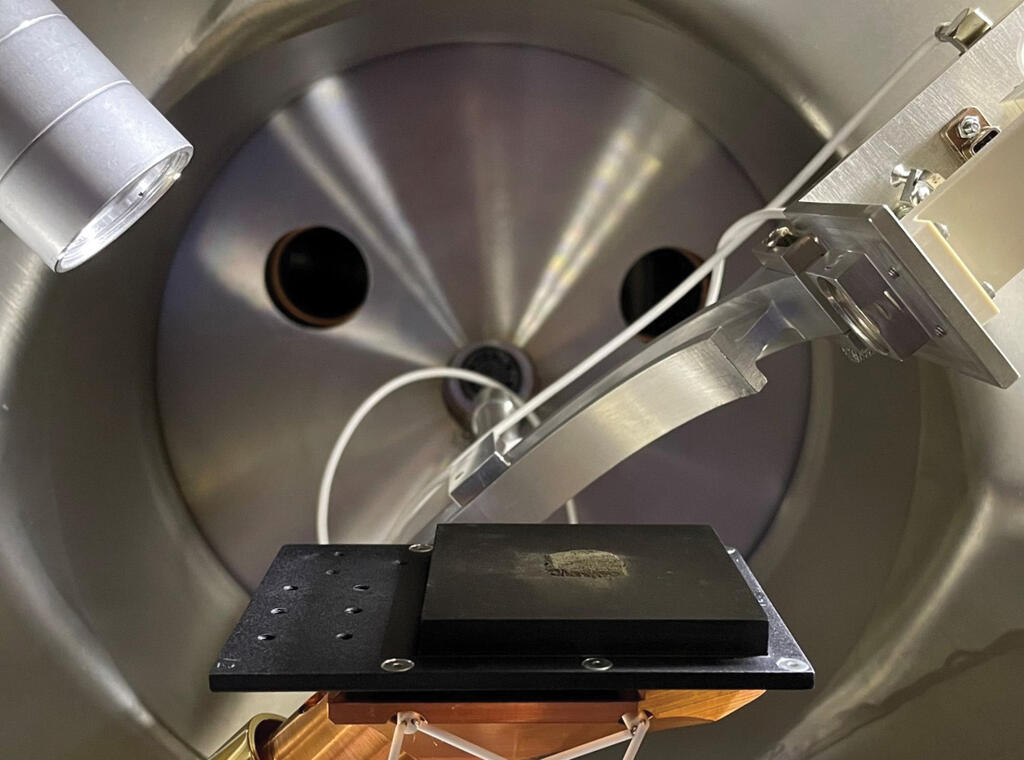
SwRI collaborated with UT San Antonio to analyze lunar soil samples and determine how space weathering affected their far-ultraviolet reflectance. SwRI measured the reflectance of the Apollo 11 soil sample in SwRI’s Slater Crater ultra-high vacuum instrument suite.
SwRI scientists are collaborating with researchers at UT San Antonio to study how space weathering affects lunar surface materials, using just a few grains of lunar soil collected by the Apollo missions. Understanding how the solar wind and micrometeoroid impacts caused surface materials to evolve over eons will help researchers looking for water on the Moon.
“These Apollo-era samples continue to be a cornerstone of lunar science, providing the most direct link to the Moon’s surface processes and evolution, including space weathering,” said SwRI’s Dr. Ujjwal Raut, the principal investigator of the project.
Caleb Gimar, who recently completed a doctoral degree in physics through the SwRI-UT San Antonio Joint Graduate Program, led the research with support from NASA’s Lunar Data Analysis Program.
“We are investigating how space weathering drives physical and chemical changes in grains of lunar soil, largely controlling their far-ultraviolet reflectance,” Gimar said. “This research explains why soils with different degrees of weathering vary in brightness and the way they scatter far-ultraviolet light.”
These results allow researchers to better interpret remote sensing data from the Lunar Reconnaissance Orbiter Lyman-Alpha Mapping Project (LRO-LAMP), which has been orbiting the Moon since 2009.
“The SwRI-led LAMP instrument was designed to search for signs of water ice by peering into the permanently shadowed polar craters using far-ultraviolet light from stars instead of the Sun,” said Dr. Kurt D. Retherford, principal investigator of the LAMP instrument. “Accurately identifying that ice and estimating its abundance depends on understanding the far-ultraviolet reflectance of dry lunar soil.”
For more information, visit Planetary Science.
Tracing Chemical Origins of Planetary Systems
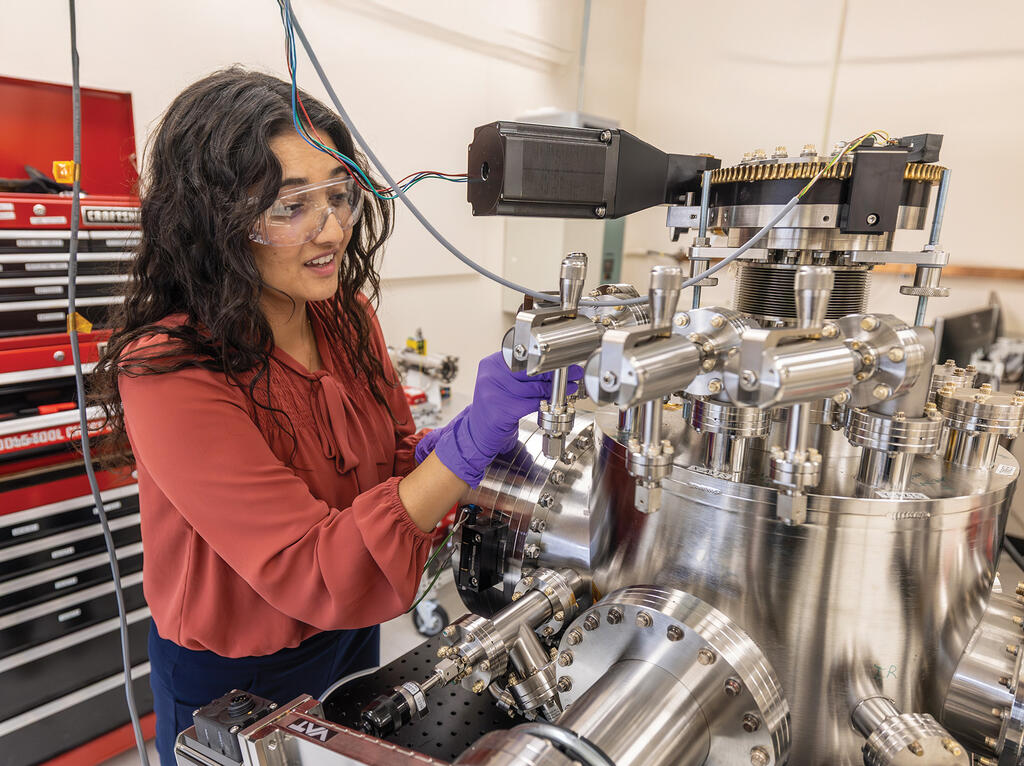
Dr. Danna Qasim is leading efforts to develop SwRI’s new Nebular Origins of the Universe Research (NOUR) laboratory to bridge pre-planetary and planetary science and better understand the origins of our universe.
SwRI has created a new space science laboratory to enhance our understanding of the origins of planetary systems. The Nebular Origins of the Universe Research (NOUR) Laboratory will trace the chemical origins of planetary systems.
“We are examining the chemistry of ice, gas and dust that have existed since before our solar system formed, connecting the dots to determine how materials in those clouds ultimately evolve into planets,” said SwRI Senior Research Scientist Dr. Danna Qasim, who is leading the lab. “By simulating the physico-chemical conditions of these pre-planetary environments, we can fill key data gaps, providing insights that future NASA missions need to accomplish their goals.”
SwRI’s Space Science Division is establishing a robust astrochemistry program, connecting early cosmic chemistry to planetary evolution. The new lab focuses on the chemistry of interstellar clouds, vast regions of ice, gas and dust between stars, a largely unexplored area of astrochemistry.
The laboratory launched with two vacuum chambers. One is dedicated to studying dark interstellar cloud chemistry where complex organic molecules are formed. The other simulates stellar irradiation of interstellar ices to study how biologically relevant molecules form. The NOUR laboratory will also include a liquid chromatography-mass spectrometer (LC-MS) to analyze these molecules.
“The irradiation of these ices will produce even more complex molecules, such as components of DNA and RNA, that can be analyzed with LC-MS. We also plan to investigate sample-return materials, such as materials from the Moon, asteroids, comets and Mars, with the LC-MS,” Qasim said. “By understanding the chemical inventory of pre-planetary environments, we will be able to help trace the origins of potential biosignatures and determine whether they could have been inherited from earlier cosmic stages.”
For more information, visit Planetary Science.
High-Speed Propulsion Engine Facility
SwRI has built a highly specialized Center for Accelerating Materials and Processes (CAMP), a new facilitythat will support research and development for tomorrow’s high-speed aerospace engines.
“The CAMP facility will strengthen our nation’s leadership in aerospace propulsion,” said Dr. Barron Bichon, vice president of SwRI’s Mechanical Engineering Division. “It’s an investment in this country’s future competitiveness, helping lay the foundation for transformative aerospace technologies that will have a lasting impact on defense and global mobility.”
Global defense, air travel, delivery and transportation are among the market forces driving the demand for high-speed engines. The new CAMP facility will focus on demonstrating faster, more efficient techniques for manufacturing high-speed propulsion systems.
CAMP is a two-story, 33,505-square-foot facility at SwRI’s headquarters in San Antonio. Construction began in 2024, supported by a $30 million investment from SwRI. Engineers will evaluate new materials and processes to produce high-speed engines in a considerably shorter amount of time than current production timelines.
“The Center for Accelerating Materials and Processes demonstrates SwRI’s dedication to leading-edge research that tackles some of the toughest technical problems of today,” said Dr. Ben Thacker, SwRI chief operating officer. “This facility opens the door to new possibilities in what we can create and accelerates how quickly critical propulsion solutions can be deployed.” CAMP is currently procuring and installing manufacturing process test equipment.
For more information, visit Mechanical Engineering.

SwRI has built a highly specialized Center for Accelerating Materials and Processes (CAMP), a new facility that will support research and development for tomorrow’s high-speed aerospace engines.
Uranus' Radiation Belt Mystery Solved?
SwRI scientists believe they may have resolved a 39-year-old mystery about the radiation belts around Uranus.
In 1986, when Voyager 2 made the first and only flyby of Uranus, it measured a surprisingly strong electron radiation belt at significantly higher levels than anticipated. Based on extrapolations from other planetary systems, Uranus’ electron radiation belt was off the charts. Since then, scientists have wondered how the Uranian system, with a planet unlike anything else in the solar system, could support such an intense radiation belt.
“We decided to look at the Voyager 2 data and compare it to Earth observations we’ve made in the decades since,” said SwRI’s Dr. Robert Allen, lead author of a paper outlining this research.
Based on these new analyses, SwRI scientists theorize that Voyager 2 observations may have more in common with processes at Earth driven by large solar wind storms — massive eruptions of plasma, magnetic fields and electromagnetic radiation from the Sun. Scientists now think a solar wind structure known as a co-rotating interaction region was likely passing through the Uranian system at the same time as Voyager 2.
“In 2019, Earth experienced one of these events, which caused an immense amount of radiation belt electron acceleration,” said SwRI’s Dr. Sarah Vines, a co-author of the paper. “If a similar mechanism interacted with the Uranian system, it would explain why Voyager 2 saw all this unexpected additional energy.”
This new study indicates a space weather event likely caused powerful high-frequency waves, creating the most intense conditions observed over the entirety of the Voyager 2 mission. In 1986, scientists thought that these waves would scatter electrons, but scientists now know that, under certain conditions, those same waves could also accelerate electrons and feed additional energy into planetary systems.
For more information, visit Heliophysics.
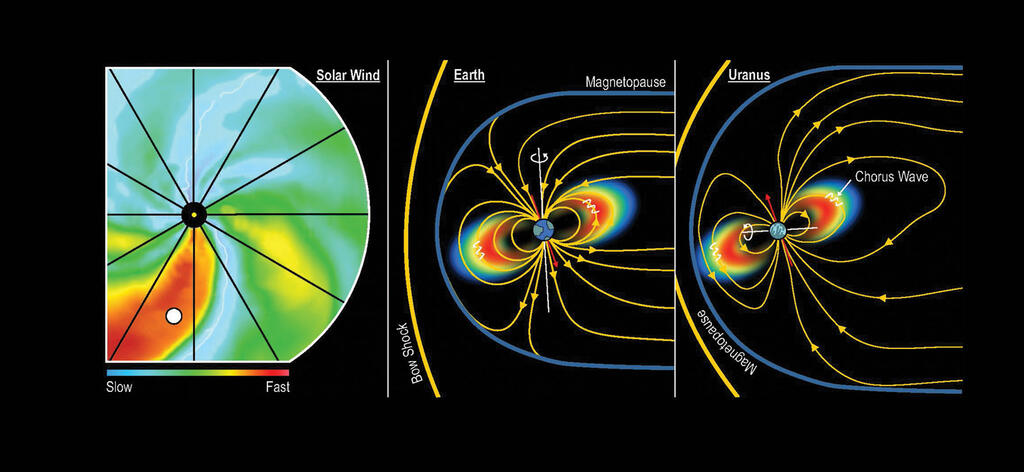
SwRI scientists compared space weather impacts of a fast solar wind structure (first panel) driving an intense solar storm at Earth in 2019 (second panel) with conditions observed at Uranus by Voyager 2 in 1986 (third panel) to potentially solve a 39-year mystery about the extreme radiation belts it found. A solar storm could have caused chorus waves, an electromagnetic emission that could have resulted from the solar storm and accelerated electrons.
Developing Sustainable Aviation Fuels
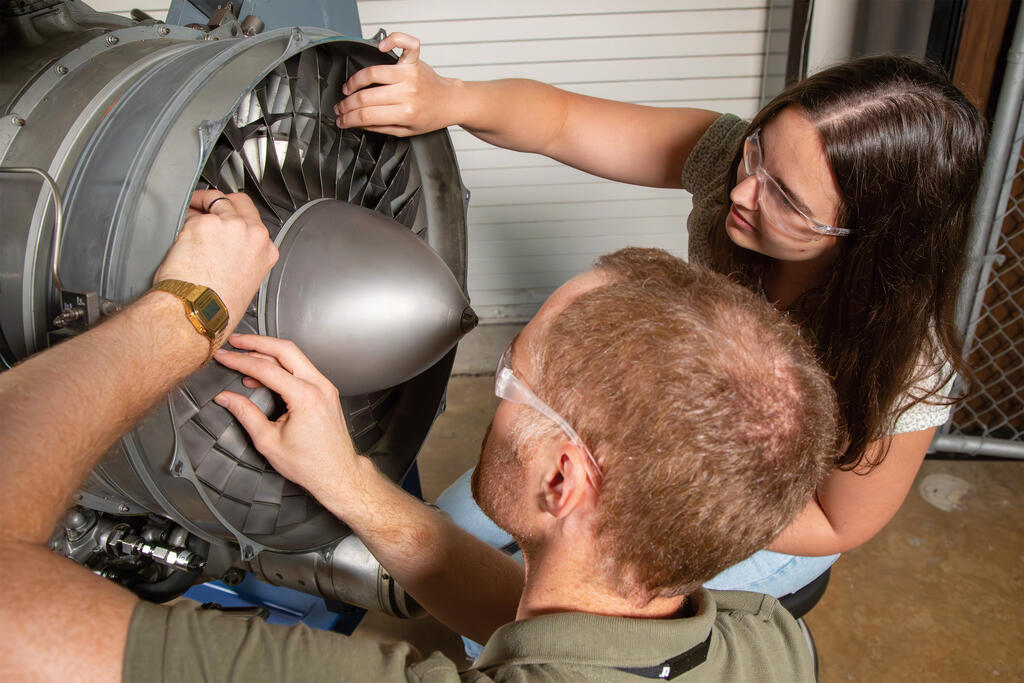
SwRI produced a batch of blended sustainable aviation fuel (SAF) through a refinery process that started with electrofuels, or e-fuels. Using internal research funding, a multidisciplinary team produced SAF and characterized it along with two other commercially available fuels, collecting emissions and particulate data to support the aviation industry’s emissions goals.
“Aviation is difficult to decarbonize due to the fuel density and power required for flight,” said Francesco Di Sabatino, a group leader in SwRI’s Mechanical Engineering Division. “With this project we’re gathering important data for conventional fuel and two different SAFs.” Worldwide, air travel accounts for 2% of all carbon emissions and 12% of all carbon emissions from transportation. Jets running on SAF could help reduce carbon emissions associated with conventional fossil fuels. The team tackled three SAF focus areas — production, characterization and testing.
First, chemical engineers refined e-fuels manufactured with hydrogen produced from electrolysis of water and captured carbon dioxide or carbon monoxide. The team then processed that into a custom SAF meeting aviation fuel standards. Then SwRI’s fuels and lubricants specialists characterized this SAF and compared it with traditional jet fuel and a commercially available SAF blend. SwRI’s propulsion and energy specialists used a jet engine test stand to collect emissions data.
“We are excited to offer multidisciplinary solutions across all stages of the SAF development cycle,” said SwRI’s Executive Vice President Emeritus Walt Downing. “This integrated project paired chemical and mechanical engineers with fluids and emissions experts to address several technical challenges.”
For more information, visit Sustainable Aviation Fuel Research.
Asteroid Features Named
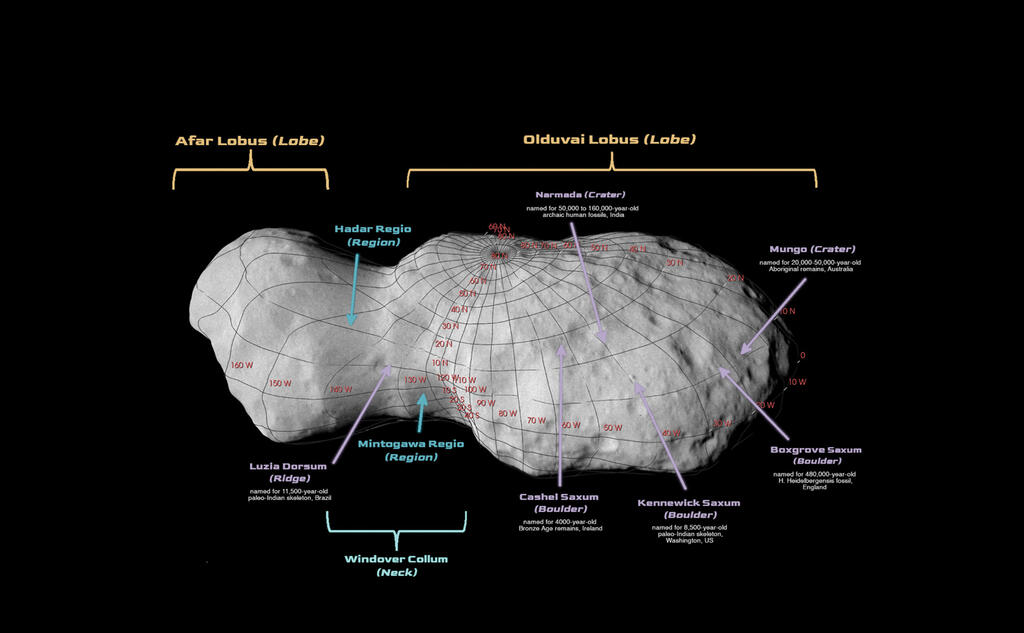
The International Astronomical Union has approved official names for features identified by the SwRI-led Lucy mission on the surface of asteroid 52246 Donaldjohanson. The NASA Lucy spacecraft flew past the asteroid on April 20, 2025.
The features are named for significant paleoanthropological sites and discoveries in honor of the asteroid’s namesake, Donald Johanson, who discovered the fossilized skeleton of an early human ancestor named Lucy. The Lucy mission, in turn, is named after this discovery as it will explore Jupiter’s Trojan asteroids, “fossils” left over from the creation of the solar system.
“Visiting a new world for the first time is very exciting. Just as the explorers used to do here on Earth, when we come upon a new celestial body, we like to map the landscape and name its most interesting features,” said SwRI’s Dr. Simone Marchi, who serves as deputy principal investigator for the Lucy mission.
Naming features on planetary bodies makes it easier for scientists to model and clearly communicate new discoveries about these objects. Donaldjohanson is a carbonaceous asteroid approximately 8 kilometers (5 miles) long and 3.5 kilometers (2.2 miles) wide. SwRI-led modeling indicates that it may have been formed about 155 million years ago when a larger parent asteroid broke apart.
The asteroid’s smaller lobe is called the Afar lobe after the Ethiopian region where Lucy and other human ancestor fossils were found. The larger lobe is named the Olduvai lobe after a Tanzanian river gorge.
The neck connecting the two lobes was named after the Windover Archeological Site near Cape Canaveral, Florida, where Lucy was launched in 2021. Additional features include two smooth regions on the neck named Hadar, the site of the Lucy fossil’s discovery, and Minatogawa, where the oldest known hominins in Japan were found.
For more information, visit Planetary Science.
Automating Calibration for Emissions Control Systems
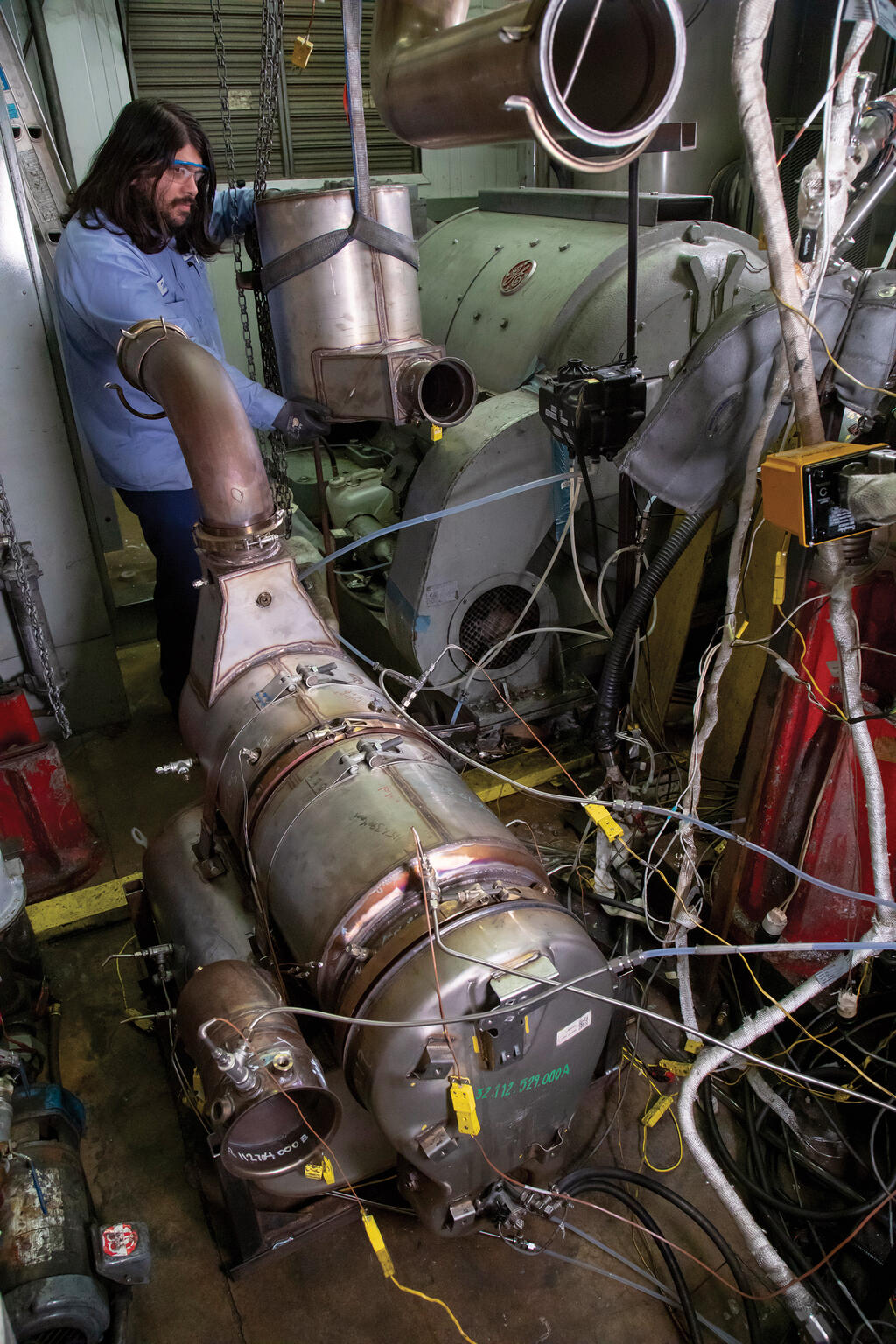
SwRI has developed a method to automate the calibration of heavy-duty diesel truck emissions control systems using machine learning and algorithm-based optimization. The latest diesel aftertreatment systems often take weeks to calibrate. SwRI’s new method can calibrate them in as little as two hours.
“Manually calibrating selective catalytic reduction (SCR) systems is labor-intensive, often taking six or more weeks of testing and work,” said Venkata Chundru, a senior research engineer in SwRI’s Advanced Algorithms Section. “By combining advanced modeling with automated optimization, we can accelerate calibration and improve system performance while ensuring compliance with upcoming standards.”
New U.S. Environmental Protection Agency and California Air Resources Board (CARB) standards are scheduled to go into effect in 2027, governing the amount of nitrogen oxides (NOx) a vehicle can emit in proportion to energy used. SwRI has completed several projects that improve existing automotive technologies, which meet or exceed the new standards.
As a continuation of this work, SwRI’s Powertrain Engineering Division has developed a method to automate calibration of SCR systems for diesel engines. Most SCR systems control engine emissions using ammonia-based solutions, such as urea-based diesel exhaust fluids injected into the exhaust stream. The dosed exhaust interacts with a catalyst, creating a chemical reaction that converts NOx into harmless water and nitrogen.
The project team created a physics-informed neural network machine learning model that integrates data with the laws of physics, providing faster and more accurate results. By running simulations of an active SCR system, the team could fine-tune its urea dosing control to lower overall NOx and ammonia emissions and rapidly identify optimal settings for the engines. The model could then learn to identify these settings and map the calibration processes, allowing for full automation.
For more information, visit SwRI Automotive Emissions.
Assessing F-16 Landing Gear Reliability

SwRI has received a seven-year, $9.9 million contract from the U.S. Air Force to predict the life of landing gear components for the F-16 Fighting Falcon fleet. SwRI will leverage its aging aircraft expertise to predict when parts need replacement, determine the root causes of failure and recommend improvements to maintenance practices.
The contract falls under the Comprehensive Landing Gear Integrity Program, a 20-year, $300 million Indefinite Delivery Indefinite Quantity (IDIQ) contract shared among three organizations, including SwRI.
The F-16 is a compact, multirole fighter first introduced in 1978. It’s currently the world’s largest fixed-wing military aircraft fleet, with more than 2,000 aircraft in active service worldwide.
“Aircraft landing gear experience unique conditions compared to other aircraft components,” said SwRI Principal Engineer Laura Hunt, who oversees the project. “We are looking at impact forces during touchdown, stress from towing loads and factors like corrosion and vibration that make the landing gear particularly vulnerable to fatigue and damage over time.”
SwRI has provided technical engineering support to the Air Force for several decades under the Aircraft Structural Integrity Program (ASIP) and the U.S. Air Force Academy Center for Aircraft Structural Life Extension (CAStLE). These programs address aging aircraft structures and material degradation. SwRI has developed structural health monitoring systems and specialized inspection probes, as well as the NASGRO® software tool, which analyzes fracture and fatigue crack growth in structures and mechanical components.
SwRI aims to improve the efficiency and accuracy of current methods used to estimate the lifespan of landing gear components by applying the Institute’s expertise in flight data recording, full-scale testing, life prediction and probabilistic analysis.
“Our fatigue life prediction experience and probabilistic analysis capabilities set SwRI apart on this work, allowing us to predict the service life of these parts while assessing uncertainties with greater confidence,” Hunt said.
For more information, visit Aerospace Structures.
Jupiter's Galilean Moon Hydration Set at Birth
Io, the most volcanically active moon in the solar system, appears completely dry and devoid of water ice, while its neighbor Europa is thought to harbor a vast global ocean of liquid water beneath its icy crust. A new international study co-led by SwRI and Aix-Marseille University reveals that this striking contrast was established at birth, as they formed around Jupiter, not from later evolutionary processes.
Since the first missions exploring the Jovian system in the late 1970s, scientists have known that Jupiter’s moons exhibit markedly different characteristics. Io and Europa provide the most striking example. While Io is a dry and intensely volcanic world devoid of water, Europa is icy and thought to conceal a vast subsurface ocean of liquid water.
“Io and Europa are next-door neighbors orbiting Jupiter, yet they look like they come from completely different families,” said SwRI’s Dr. Olivier Mousis, second author of an Astrophysical Journal paper detailing these findings. “Our study shows that this contrast wasn’t written over time — it was already there at birth.”
The team tested two main hypotheses to explain the differences. The first suggests that the extreme conditions prevailing close to Jupiter during satellite formation prevented water ice from being preserved, depriving Io of this component from the outset. The second hypothesis proposes that Io and Europa initially formed with similar amounts of water, but Io subsequently lost most of its volatiles over time through atmospheric escape and erosion processes.
The international team reconstructed the earliest evolutionary stages of Io and Europa, assuming that the moons’ water originated from hydrated minerals incorporated during formation. Using an advanced numerical modeling framework, the study coupled the internal thermal evolution of the moons with volatile escape processes, accounting for all major heat sources active in the young Jovian system, including accretional heating, radioactive decay, tidal dissipation and Jupiter’s intense radiation.
“Io has long been seen as a moon that lost its water later in life,” Mousis explained. “But when we put that idea to the test, the physics just refuses to cooperate: Io simply can’t get rid of its water that efficiently.”
For that matter, Europa would not lose its water either, even under extreme conditions. The findings indicate that Io and Europa were already fundamentally different at birth — Io forming from dry materials and Europa accreting from ice-rich building blocks.
“The simplest explanation turns out to be the right one,” Mousis said. “Io was born dry, Europa was born wet — and no amount of late-stage evolution can change that.”
For more information, visit Heliophysics.
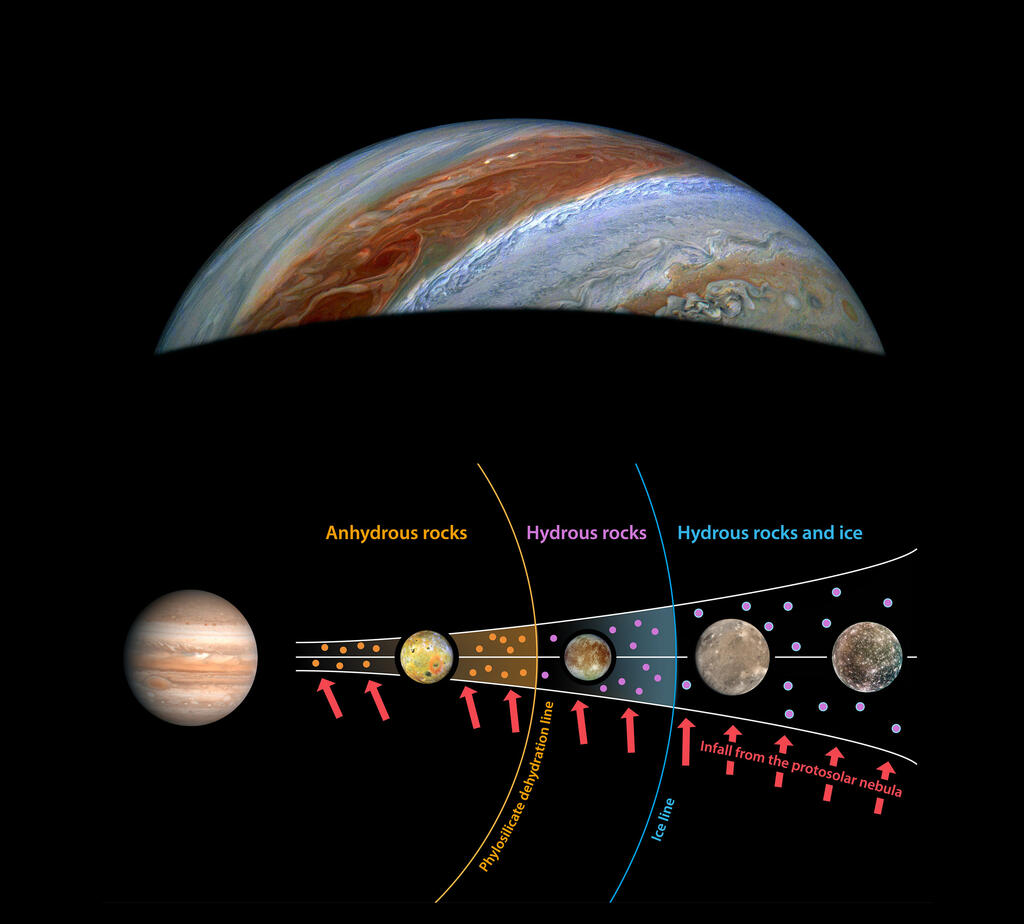
A new international study co-led by Aix-Marseille University and SwRI reveals that the striking contrast in the water contents of Jupiter’s Galilean moons was established at birth, as they formed around the gas giant. Within Jupiter’s circumplanetary disk, hydrated materials forming Europa remained water rich, while the same materials dried up when crossing the dehydration line before reaching Io, producing an intrinsically arid moon.
NMR Technique to Enhance Drug Development
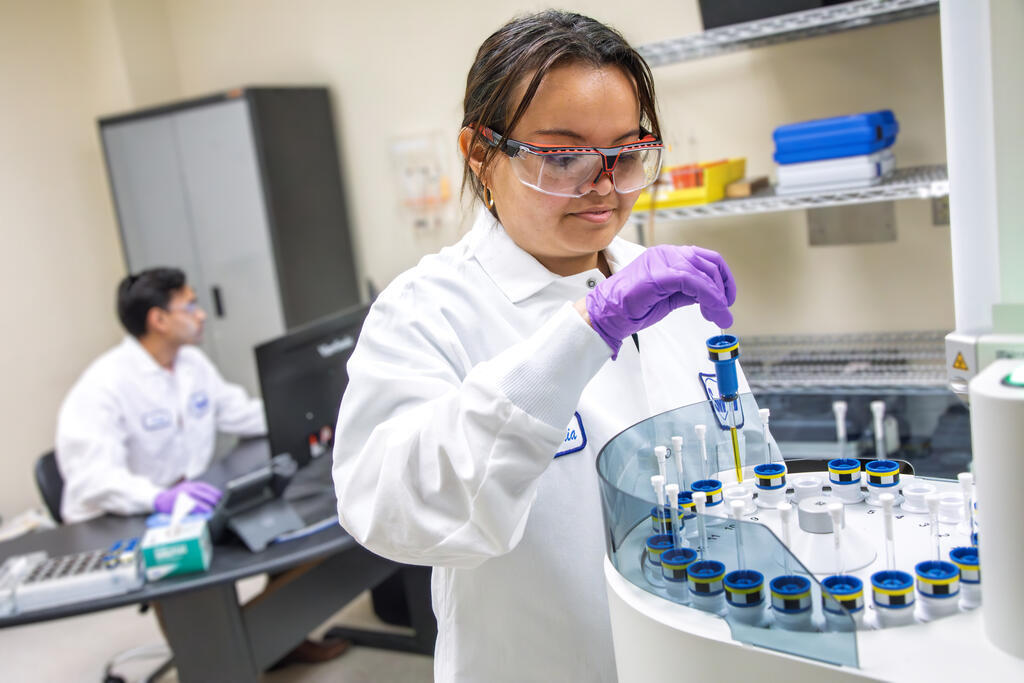
In SwRI’s recently updated facilities chemists compared quantitative NMR (qNMR) to high-performance liquid chromatography (HPLC). The research confirmed that qNMR is a faster, more cost-effective option to quantify APIs in certain applications.
New upgrades to SwRI’s nuclear magnetic resonance (NMR) laboratory identified a robust technique for analyzing organic compounds used in drug discovery and development.
Through internally funded research, SwRI compared quantitative NMR (qNMR) to high-performance liquid chromatography (HPLC) to determine the purity of active pharmaceutical ingredients (APIs). The research confirmed that qNMR is a faster, more cost-effective option to quantify APIs in certain applications.
“When you want to get drugs into trials as quickly as possible, qNMR has the potential to dramatically reduce the time and cost of accurately quantifying APIs and impurities in early phases,” said Lead Scientist Dr. Shawn Blumberg, who worked on the project. “For late-stage development, qNMR can complement HPLC, confirming the target compound’s weight-for-weight purity — the percentage of a pure substance present in a given sample — and providing more confidence in dose calculations that can lead to a better overall product.”
While other studies have shown qNMR can determine the weight-forweight purity of a variety of organic compounds, publicly available data comparing qNMR to HPLC for pharmaceutical development was sparse. SwRI internal research allowed the team to develop a qNMR technique to accurately analyze and quantify APIs without the high material burden of standard methods while providing direct comparisons to HPLC.
Using large magnets to study the properties of atomic nuclei, NMR techniques can help determine the structures of small-molecule drugs and other chemicals. HPLC is a more complex process requiring multistep experiments and consuming significant amounts of a compound for analysis.
“While HPLC remains the gold standard of quantitative API analysis, the procedure requires significant amounts of material to perform multiple experiments,” said Senior Research Scientist Dr. Christopher Dorsey, who served as the project’s primary investigator. “HPLC methods must be developed and validated for each compound at each step along the synthetic route. This takes several weeks, increasing product development timelines and expenses and requiring additional synthesis to provide material necessary for assay development.”
NMR can identify the product of interest as well as residual solvents and other organic impurities. Using a known amount of a commercially available reference standard, quantitative information about the purity of a compound is possible without using a reference standard of the same compound for comparison.
For more information, visit Nuclear Magnetic Resonance (NMR) Laboratory.